
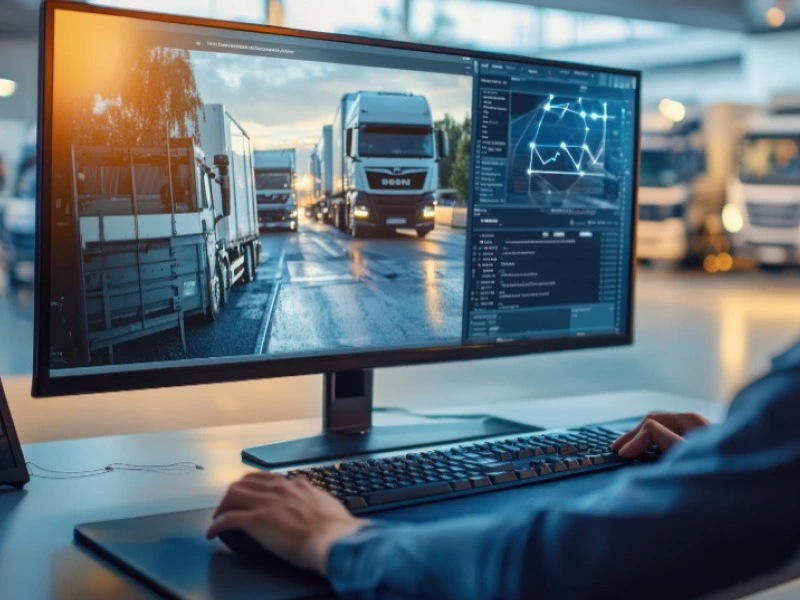
Benefits of Fleet Management Software for Smarter Fleet Operations
Managing a commercial fleet has become more challenging than ever. Businesses must control fuel costs, improve driver safety with drvier management system , reduce maintenance expenses, and deliver excellent customer service while remaining compliant with industry regulations. As fleets expand, relying on manual processes and spreadsheets often leads to inefficiencies, delayed decisions, and increased operational costs.
This is where the Benefits of Fleet Management Software become evident. A modern fleet management platform gives businesses complete visibility into their vehicles, drivers, assets, and daily operations through a single cloud-based dashboard. By leveraging GPS technology, telematics, AI-powered analytics, and automation, organizations can streamline workflows, improve fleet utilization, and make data-driven decisions.
Whether you manage delivery vehicles, construction equipment, public transportation, rental fleets, or field service vehicles, adopting a digital fleet solution helps increase productivity while reducing operating expenses. Furthermore, businesses can monitor vehicle performance in real time, schedule preventive maintenance, improve driver behavior, and optimize routes for maximum efficiency.
In this guide, we’ll explore the key Fleet Management Software Benefits, explain how the technology works, and show why organizations across multiple industries are investing in smarter fleet operations.
What Is Fleet Management Software?
Fleet management software is a centralized digital platform that helps organizations monitor, manage, and optimize their vehicle fleets throughout their entire lifecycle. It combines GPS tracking, telematics, maintenance management, driver monitoring, fuel management, and reporting into one integrated solution.
Instead of manually tracking fleet activities, businesses can automate routine tasks, receive real-time alerts, and gain valuable insights into fleet performance.
Modern Fleet Management Software enables fleet managers to:
- Track vehicle locations in real time.
- Monitor driver behavior and safety.
- Schedule preventive maintenance automatically.
- Optimize routes for faster deliveries.
- Reduce fuel consumption.
- Manage inspections and compliance records.
- Analyze fleet performance using real-time dashboards.
As a result, companies can improve operational efficiency while lowering overall fleet costs.
Core Features of Fleet Management Software
A modern fleet platform includes several integrated modules designed to improve day-to-day fleet operations.
Some of the most valuable features include:
- GPS vehicle tracking
- Live fleet monitoring
- Route optimization
- Driver behavior monitoring
- Fuel consumption analysis
- Preventive maintenance scheduling
- Digital inspections
- Geofencing
- Asset tracking
- Fleet analytics and reporting
- Mobile driver applications
- AI-powered alerts
Together, these capabilities help businesses operate smarter, safer, and more efficiently.
Industries That Use Fleet Management Software
Fleet management software is no longer limited to transportation companies. Today, organizations across many industries depend on digital fleet solutions to manage their mobile assets efficiently.
Industries that benefit include:
- Logistics and supply chain
- Transportation companies
- Government agencies
- Municipal services
- Construction companies
- Oil and gas operations
- Utility providers
- Public transportation
- Car rental businesses
- Field service organizations
- Emergency response services
- Distribution companies
Regardless of industry, every organization benefits from improved fleet visibility, better maintenance planning, and enhanced operational control.
How Fleet Management Software Works
Fleet management software integrates several technologies into one centralized platform. Data collected from vehicles is transmitted to a cloud-based dashboard, allowing fleet managers to monitor operations in real time.
The system continuously gathers information about:
- Vehicle location
- Engine health
- Fuel usage
- Driver behavior
- Trip history
- Vehicle diagnostics
- Maintenance schedules
- Route performance
Managers can access this information from any desktop or mobile device, enabling faster decisions and improved operational efficiency.
GPS Fleet Tracking
GPS technology provides live vehicle locations and accurate route histories. Fleet managers can instantly identify where every vehicle is operating, helping improve dispatch efficiency and reduce unauthorized vehicle usage.
Businesses looking for advanced GPS Fleet Tracker solutions can use GPS technology to monitor vehicle movements, optimize routes, and improve delivery accuracy.
Telematics and Vehicle Monitoring
Telematics devices collect data directly from vehicle systems and transmit it to the fleet platform.
This information includes:
- Engine diagnostics
- Vehicle speed
- Fuel consumption
- Idle time
- Battery status
- Mileage
- Engine fault codes
When combined with a Telematics & IoT Platform, businesses gain deeper operational insights that support predictive maintenance and proactive fleet management.
AI-Powered Fleet Intelligence
Artificial intelligence transforms raw fleet data into actionable insights.
Modern AI capabilities help businesses:
- Predict maintenance requirements.
- Detect risky driving behavior.
- Recommend optimized routes.
- Identify excessive idling.
- Improve fleet utilization.
- Reduce operating costs.
Instead of reacting to problems after they occur, managers can prevent them before they affect business operations.
Cloud-Based Fleet Dashboard
Cloud technology allows authorized users to access fleet information from anywhere.
The dashboard typically displays:
- Live fleet map
- Vehicle status
- Driver performance
- Maintenance alerts
- Fuel reports
- Compliance reports
- Fleet KPIs
- Custom dashboards
Because all information is centralized, decision-makers can respond quickly to operational changes.
Mobile Applications
Modern fleet software also includes mobile applications for drivers, technicians, and managers.
A dedicated Driver App allows drivers to:
- Receive assigned jobs
- View optimized routes
- Complete inspections
- Upload photos
- Report incidents
- Submit digital forms
- Communicate with dispatch
Mobile connectivity reduces paperwork while improving communication between drivers and fleet managers.
Benefits of Fleet Management Software
Fleet management software delivers measurable business value by helping organizations improve operational efficiency, reduce costs, and enhance overall fleet performance.
Below are the most significant Benefits of Fleet Management Software that businesses experience after implementing a modern fleet management solution.
Improve Fleet Visibility
One of the biggest advantages of fleet management software is complete real-time visibility across the entire fleet.
Fleet managers can instantly monitor:
- Vehicle locations
- Driver activities
- Trip progress
- Vehicle availability
- Route status
Using a modern Fleet Tracking System, businesses gain complete operational awareness, allowing dispatchers to respond faster to customer requests, reroute vehicles when necessary, and improve overall fleet coordination.
Real-time visibility also helps reduce unauthorized vehicle usage, improves accountability, and ensures every asset is being used efficiently.
Live Vehicle Tracking and Operational Control
A centralized dashboard enables businesses to monitor every vehicle from a single interface.
Managers can:
- View live maps
- Track arrival times
- Identify route deviations
- Monitor idle vehicles
- Improve dispatch decisions
- Respond to unexpected delays
When integrated with a Vehicle Tracking System, organizations gain accurate location data that improves planning, enhances customer communication, and supports faster operational decisions.
Reduce Fuel Costs
Fuel expenses are one of the largest operational costs for any fleet. Fortunately, one of the biggest Benefits of Fleet Management Software is its ability to reduce fuel consumption through intelligent monitoring and automation. By analyzing driving patterns, vehicle usage, and route efficiency, businesses can significantly lower fuel expenses while improving overall fleet performance.
Modern fleet solutions provide detailed fuel reports that help managers identify excessive idling, harsh acceleration, speeding, and inefficient routes. These insights enable businesses to take corrective actions that improve fuel efficiency and reduce unnecessary operating costs.
By integrating a Fuel Monitoring System, companies can monitor fuel usage in real time, detect fuel theft, and generate accurate consumption reports. Additionally, combining fuel monitoring with a GPS Tracking System allows managers to identify the most efficient routes and reduce unnecessary mileage.
Businesses can further improve fuel efficiency by encouraging Eco Driving practices. Monitoring driver behavior and providing coaching helps reduce harsh braking, excessive acceleration, and prolonged idling, leading to lower fuel consumption and reduced vehicle wear.
Benefits of Fuel Optimization
- Lower fuel expenses
- Reduced vehicle idling
- Optimized route planning
- Improved driver efficiency
- Lower carbon emissions
- Better fleet profitability
As fuel prices continue to fluctuate, investing in digital fleet technologies provides long-term savings and greater operational control.
Increase Driver Safety
Driver safety plays a critical role in fleet operations. Accidents, unsafe driving habits, and traffic violations not only increase operating costs but also impact employee well-being and customer satisfaction.
One of the most valuableFleet Management Software Benefits is the ability to monitor driver behavior in real time. Fleet managers receive instant alerts for speeding, harsh braking, rapid acceleration, sharp cornering, and unauthorized vehicle usage.
These insights make it easier to identify risky driving patterns and provide targeted coaching that encourages safer driving habits.
Businesses can further strengthen safety by implementing ADAS & AI Dashcam Solutions. AI-powered cameras monitor both the road and driver behavior, helping prevent collisions while providing valuable video evidence during incidents.
Organizations also benefit from a dedicated Driver App, which improves communication between drivers and dispatch teams. Drivers can receive optimized routes, report incidents, complete digital inspections, and receive important notifications without relying on paper-based processes.
Driver Safety Benefits
- Real-time safety alerts
- Driver scorecards
- Reduced accident rates
- Improved regulatory compliance
- Lower insurance costs
- Better driver accountability
A safer fleet not only protects employees but also enhances brand reputation and customer trust.
Optimize Vehicle Maintenance
Unexpected vehicle breakdowns can disrupt operations, delay deliveries, and increase repair costs. Fortunately, one of the greatest Benefits of Fleet Management Software is its ability to automate maintenance planning.
Instead of relying on manual records, businesses can use a Fleet Maintenance System to schedule inspections, service intervals, and preventive repairs based on mileage, engine hours, or calendar dates.
Automated reminders ensure that maintenance tasks are completed before small issues become expensive failures.
Companies can also use Preventive Maintenance Software to monitor vehicle health, receive service alerts, and extend the lifespan of their fleet assets. For organizations managing workshops, integrating Workshop Management System capabilities helps streamline work orders, technician assignments, and repair tracking.
In addition, Vehicle Maintenance Management Software centralizes maintenance records, repair histories, and service schedules, making it easier to track the condition of every vehicle.
Businesses that perform regular inspections can also benefit from Digital Vehicle Inspection processes. Digital inspections improve accuracy, eliminate paperwork, and ensure that maintenance issues are identified early.
Maintenance Benefits
- Reduced vehicle downtime
- Longer vehicle lifespan
- Lower repair costs
- Improved maintenance planning
- Better service history tracking
- Increased fleet availability
Proactive maintenance helps businesses avoid unexpected disruptions while maximizing vehicle performance.
Improve Fleet Productivity
Improving productivity is another major reason why businesses invest in fleet technology. Fleet managers need accurate, real-time information to allocate resources efficiently and complete more jobs in less time.
Using Fleet Tracking System technology, dispatchers can monitor vehicle availability, assign the nearest driver, and optimize schedules based on real-time traffic conditions.
When combined with Vehicle Tracking Software, managers gain complete visibility into fleet operations, helping reduce delays and improve service quality.
Organizations can also improve workflow efficiency by maintaining detailed Vehicle Service History records. Easy access to maintenance information helps reduce administrative work while ensuring vehicles remain in excellent operating condition.
For companies operating field service fleets, Work Order Management capabilities simplify task assignments, monitor job completion, and improve technician productivity.
Fleet managers can further evaluate operational performance using Reporting Analytics, which provide valuable insights into utilization rates, driver performance, fuel efficiency, and operational KPIs.
Productivity Benefits
- Faster dispatching
- Improved resource utilization
- Better job scheduling
- Reduced administrative work
- Higher fleet utilization
- Improved customer response times
By automating daily operations, businesses can focus on growth while improving service quality and reducing operational costs.
Lower Operating Costs
One of the most significant Benefits of Fleet Management Software is its ability to reduce overall operating costs. Managing a fleet involves fuel expenses, vehicle maintenance, insurance, labor, and administrative costs. Without a centralized system, controlling these expenses becomes increasingly difficult.
A modern Fleet Management Software solution automates routine tasks, eliminates manual paperwork, and provides valuable insights that help businesses optimize resources. Fleet managers can monitor operational costs, identify inefficiencies, and implement cost-saving strategies based on real-time data.
For example, integrating a Fleet Maintenance System with scheduled servicing reduces costly breakdowns, while route optimization minimizes fuel consumption and vehicle wear. Additionally, automated reporting reduces administrative workload, allowing managers to focus on strategic planning rather than manual record-keeping.
Cost Reduction Benefits
- Lower maintenance expenses
- Reduced fuel consumption
- Fewer administrative tasks
- Optimized vehicle utilization
- Reduced insurance claims
- Improved return on investment (ROI)
By reducing unnecessary expenses, businesses can allocate resources more effectively and improve long-term profitability.
Enhance Customer Service
Customer expectations continue to grow, especially in industries that rely on timely deliveries and field services. Fleet management software helps businesses improve customer satisfaction by providing accurate delivery information, faster response times, and improved communication.
Using GPS Tracking Software, dispatchers can monitor vehicle locations in real time and provide customers with accurate estimated arrival times (ETAs). If unexpected delays occur, routes can be adjusted immediately to minimize disruptions.
For service-based businesses, a Driver App enables drivers to receive instant updates, upload delivery confirmations, and communicate with dispatch teams more efficiently. This improves transparency while reducing customer complaints.
Organizations can also maintain complete Vehicle Service History records to ensure fleet reliability and minimize service interruptions that could affect customer commitments.
Customer Service Benefits
- Accurate ETAs
- Faster deliveries
- Real-time shipment updates
- Improved communication
- Higher customer satisfaction
- Better service reliability
Delivering consistent and reliable service strengthens customer relationships and enhances brand reputation.
Improve Compliance
Regulatory compliance is essential for businesses operating commercial fleets. Managing inspection records, maintenance schedules, and driver documentation manually increases the risk of missed deadlines and compliance violations.
Fleet management software simplifies compliance by digitizing records and automating reminders. Businesses can use Vehicle Inspection Software to perform routine inspections, document vehicle conditions, and maintain accurate digital records.
In addition, Digital Vehicle Inspection Software allows drivers and technicians to complete inspections using mobile devices, reducing paperwork while improving inspection accuracy.
Organizations can also integrate Vehicle Inspection service processes to ensure vehicles remain roadworthy and compliant with industry regulations.
Compliance Benefits
- Digital inspection records
- Automated maintenance reminders
- Improved audit readiness
- Reduced compliance risks
- Better document management
- Increased operational transparency
Maintaining compliance helps businesses avoid penalties, improve safety, and build trust with customers and regulatory authorities.
Better Asset Utilization
Maximizing asset utilization is another important advantage of fleet management software. Businesses invest significant capital in vehicles, equipment, and other mobile assets, making it essential to use these resources efficiently.
An Asset Management System helps organizations monitor vehicle usage, equipment availability, and asset performance in real time. Fleet managers can identify underutilized vehicles, optimize fleet allocation, and reduce unnecessary asset purchases.
For companies managing valuable equipment, an Asset Management Software solution provides complete visibility into asset location, maintenance history, and operational status. Businesses can also leverage an Asset Monitoring System to track equipment health and receive alerts when maintenance is required.
Asset Management Benefits
- Increased asset utilization
- Improved equipment visibility
- Reduced idle assets
- Lower capital expenditures
- Better maintenance planning
- Higher operational efficiency
Efficient asset management ensures businesses maximize the value of every vehicle and piece of equipment in their fleet.
Data-Driven Decision Making
Data is one of the most valuable assets in modern fleet operations. Fleet management software collects and analyzes information from vehicles, drivers, and daily operations to support informed decision-making.
Using advanced Reporting Analytics, fleet managers can monitor key performance indicators (KPIs), identify operational trends, and evaluate fleet performance over time. These insights help organizations make proactive decisions that improve productivity and reduce operational risks.
Businesses can also leverage AI-powered dashboards to analyze fuel usage, maintenance costs, driver behavior, and route efficiency. This enables continuous improvement and long-term operational success.
Data-Driven Benefits
- Real-time dashboards
- Custom performance reports
- Predictive analytics
- KPI monitoring
- Improved strategic planning
- Better operational decisions
Making decisions based on accurate data helps businesses remain competitive while adapting quickly to changing operational requirements.
Industries That Benefit from Fleet Management Software
Fleet management software supports organizations across a wide range of industries, each with unique operational requirements.
Industries that benefit include:
- Government & Municipal Fleet Operations for managing public service vehicles and ensuring regulatory compliance.
- Construction & Heavy Equipment companies that need to monitor machinery, equipment utilization, and maintenance schedules.
- Oil and Gas Field Services organizations that require real-time visibility into remote fleet operations and workforce safety.
- Public Transport & Shuttle Operations providers that depend on route optimization, passenger safety, and schedule adherence.
- Car Rental and Leasing businesses that need to monitor vehicle availability, maintenance, and customer usage efficiently.
Regardless of industry, fleet management software provides the visibility, automation, and intelligence needed to improve operational performance.
Key Features That Deliver These Benefits
Modern fleet management platforms combine multiple technologies into one centralized solution.
Key features include:
- GPS Tracking System
- Fleet Tracking System
- Vehicle Tracking Software
- Fuel Monitoring System
- Fleet Maintenance System
- Vehicle Inspection Software
- Digital Vehicle Inspection
- Telematics & IoT Platform
- ADAS & AI Dashcam Solutions
- Driver App
- Geofencing
- Route optimization
- AI-powered alerts
- Custom dashboards
- Automated reporting
Together, these features help businesses streamline operations, improve safety, reduce costs, and increase productivity.
Why Businesses Are Investing in Fleet Management Software
As businesses continue their digital transformation journey, fleet management software has become a strategic investment rather than an optional tool. Organizations are adopting intelligent fleet solutions to improve operational efficiency, reduce costs, enhance sustainability, and gain a competitive advantage.
Cloud-based platforms, AI-driven analytics, predictive maintenance, and real-time tracking empower businesses to respond quickly to operational challenges while improving overall fleet performance.
How to Choose the Right Fleet Management Software
Selecting the right solution requires careful evaluation of business needs and future growth plans.
Look for software that offers:
- Scalability for growing fleets
- User-friendly interface
- Cloud-based accessibility
- GPS and telematics integration
- Automated maintenance management
- Advanced reporting and analytics
- Mobile applications
- Strong security
- Reliable customer support
- Flexible integration capabilities
Choosing the right platform ensures long-term success and maximizes the return on your technology investment.
Conclusion
The Benefits of Fleet Management Software extend far beyond vehicle tracking. A modern fleet management solution empowers businesses to optimize fuel usage, improve driver safety, streamline maintenance, enhance customer service, and make data-driven decisions that support long-term growth.
Whether you manage a small fleet or a large enterprise operation, investing in advanced fleet technology helps reduce operational costs, increase productivity, and maximize asset utilization. By integrating intelligent tools such as GPS Tracking Software, Fleet Tracking System, Fuel Monitoring System, Vehicle Inspection Software, and a Telematics & IoT Platform, organizations can build smarter, safer, and more efficient fleet operations.
As digital transformation continues to reshape the transportation industry, adopting the right fleet management solution is no longer just a competitive advantage it is a strategic necessity for sustainable business success.
Ready to transform your fleet operations? Explore En Route Technologies fleet management solutions to improve efficiency, reduce costs, and gain complete visibility across your entire fleet.
FAQ's
Fleet management software helps businesses improve vehicle visibility, reduce fuel costs, optimize maintenance, enhance driver safety, increase productivity, and lower overall operating expenses.
It reduces costs through route optimization, preventive maintenance, fuel monitoring, automated reporting, and improved vehicle utilization.
Yes. It monitors driver behavior, provides real-time alerts, supports AI-powered dashcams, and helps organizations coach drivers to improve road safety.
Absolutely. Small businesses can improve efficiency, reduce operational costs, and manage fleet growth more effectively using scalable fleet management solutions.
Yes. Most modern platforms include GPS tracking, live vehicle monitoring, route optimization, geofencing, and trip history.
It automates preventive maintenance schedules, tracks service history, monitors vehicle health, and reduces unexpected breakdowns through timely maintenance reminders.