
Data Blind Spots
Fuel Cost Savings
Remote Monitoring
SIRA Compliant
The UAE’s oil and gas sector is the backbone of the national economy, supported by Abu Dhabi’s vast onshore and offshore fields, Sharjah’s gas operations moreover the dense network of pipelines, refineries and processing facilities that span the country.The field service companies, drilling contractors, logistics providers, and specialist equipment operators that support this sector operate in some of the most demanding environments on earth. Consequently, extreme heat, remote locations, strict safety regimes and zero tolerance for operational failure define the operational reality for fleet managers in the energy sector.
En Route Technologies delivers fleet and asset tracking solutions specifically configured for oil and gas field service environments. Thereby providing hardware built to operate reliably in high-temperature desert conditions and a platform that handles the operational complexity of managing vehicles and equipment across remote oilfield locations. Whether your company provides well services, pipeline inspection, maintenance support, transport logistics or camp management for oil and gas clients. En Route gives you the real-time visibility and operational control that energy sector clients now demand as a standard requirement of any service contract thereby ensuring operational excellence.
Fuel Cost Savings
HSE Reporting Time Reduction
Data Blind Spots
SIRA Compliant

Vehicles and equipment operating in remote desert oilfields can be hours from the nearest support. Consequently, without reliable real-time tracking, a breakdown, incident, or security issue may go undetected for dangerous periods, thereby creating safety liability and operational failure risk.
Oilfield operations consume enormous volumes of fuel across vehicles and generators. As a result, without precise monitoring, discrepancies between fuel delivered and fuel consumed can represent massive, hard-to-detect losses that therefore erode project margins significantly.
Fatigue, speeding, and distracted driving are particularly dangerous in oilfield environments where road conditions are poor, traffic includes heavy transport vehicles, and emergency response times are extended due to remote locations. Consequently, these conditions significantly increase operational and safety risks.
Oil and gas clients demand rigorous Health, Safety, and Environment compliance from all service contractors. As a result, manually generating the fleet and journey data needed for HSE reporting is time-consuming, error-prone, and frequently falls short of client audit standards.
Operating within oilfield concession areas requires strict adherence to access permissions. Consequently, vehicles entering or exiting restricted zones without proper authorisation can create serious security and contractual risks that can result in contract termination.
UAE oilfield temperatures regularly exceed 45 degrees Celsius. Therefore, vehicles and equipment operating under these conditions require careful monitoring of engine health, cooling systems, and fluid levels to prevent failures that cause dangerous situations and expensive downtime.

En Route’s tracking hardware is designed to operate reliably the extreme conditions of UAE oilfield environments thereby ensuring consistent performance. Our devices are housed in IP67-rated enclosures, operate across a temperature range of -20 to +70 degrees Celsius, and therefore connect via multiple network technologies to maximise coverage in areas with limited cellular infrastructure.
Even when cellular coverage is unavailable, our devices store GPS and sensor data locally and then transmit it automatically when connectivity is restored, thereby ensuring that remote oilfield vehicles are never permanently off the grid. Furthermore, for the most remote operations, satellite communication modules can be integrated for continuous tracking regardless of cellular network availability, thereby ensuring uninterrupted connectivity.
In oilfield environments, lone worker safety is a critical concern. Therefore, En Route integrates SOS alert functionality that allows any driver or field technician to trigger an immediate emergency alert to fleet operations with their precise GPS location. As a result, response protocols are automated, operations managers receive multi-channel notifications, and therefore can dispatch support or emergency response immediately.
Driver fatigue monitoring tracks hours of service and driving patterns, thereby alerting managers when drivers approach unsafe fatigue thresholds. Furthermore, combined with harsh driving detection, this creates a comprehensive safety monitoring system that thereby demonstrates due diligence to energy sector clients and HSE regulators.


Oil and gas concession areas, refinery zones, and processing facilities require strict access control to maintain secure daily operations consistently everywhere.
Therefore, compliance with these requirements is essential for protecting personnel, assets, contractual obligations, and overall operational security standards consistently.
En Route’s geofencing feature creates precise digital boundaries around restricted areas while configuring vehicle and driver access permission rules automatically.
When vehicles enter or exit restricted zones, timestamped events are automatically logged and alerts immediately notify designated supervisors without manual intervention.
As a result, automated access control supplements physical security measures while generating contractor documentation required by client security management systems.
Fuel management in oilfield operations is uniquely complex because consumption spans both mobile vehicles and stationary generators plus equipment daily.
Consequently accurate monitoring is essential for maintaining operational efficiency across every oilfield activity consistently today always effectively everywhere safely successfully.
En Route’s fuel monitoring solution covers vehicles and storage facilities with tank sensors delivering complete fuel visibility throughout operations continuously.
Automated fuel reconciliation compares delivered and consumed fuel across all vehicles equipment during every reporting period ensuring accurate accountability automatically.
Unexplained discrepancies trigger investigation alerts enabling managers to identify losses quickly before operational costs escalate further significantly each time detected.
Therefore oilfield clients consistently recover deployment costs within six to twelve months through fuel theft prevention alone delivering measurable returns.
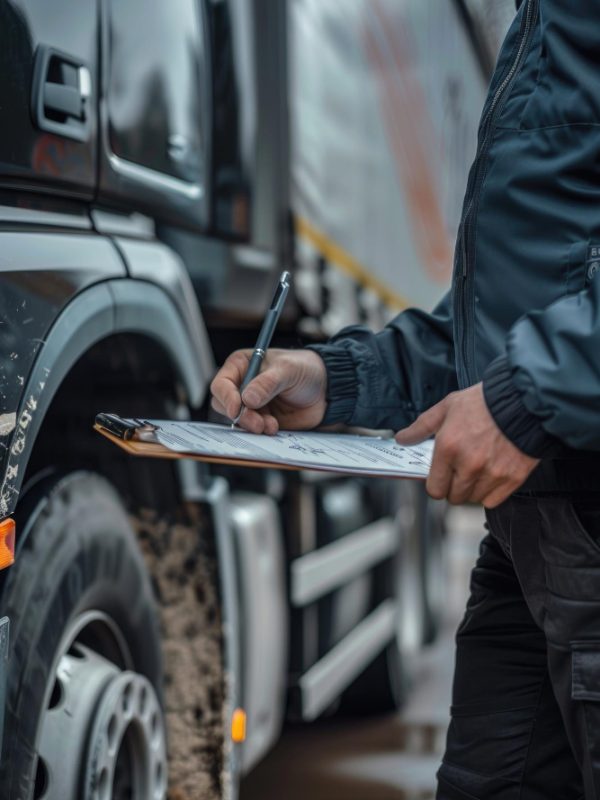
En Route generates the fleet and journey data reports that oil and gas clients demand from their service contractors, thereby ensuring audit-ready documentation. Driver behaviour logs, journey records, vehicle maintenance histories, and incident reports are all generated automatically from verified telematics data, thereby eliminating the manual data collection burden that currently falls on field supervisors and HSE managers.
Reports can be configured to match the specific format requirements of your major clients whether they operate to ADNOC standards, DEWA requirements, or international oil company contractor management frameworks. Furthermore, scheduled automated delivery ensures reports reach client representatives on time and in the right format, thereby ensuring consistent compliance every reporting period.
Continuous visibility of every vehicle and lone worker, combined with SOS alerting and fatigue monitoring, thereby eliminates the safety blind spots that create liability exposure and HSE compliance failures.
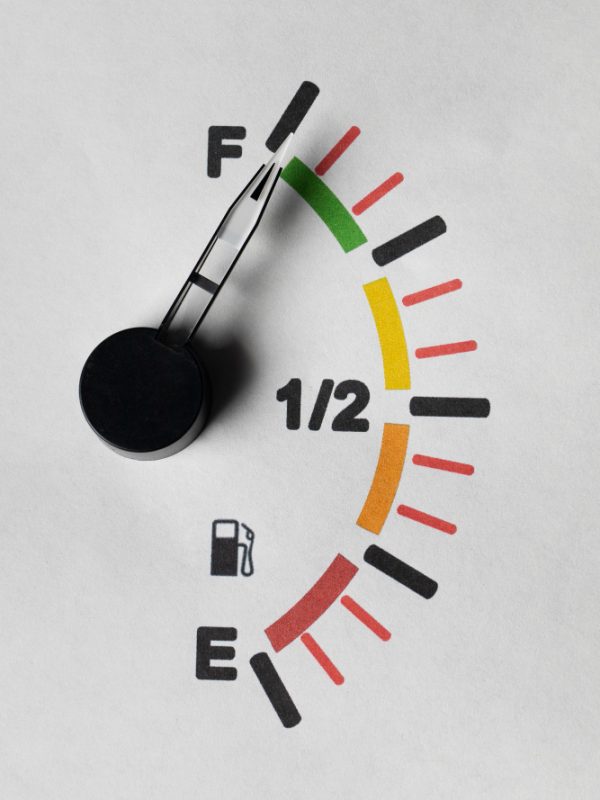
Comprehensive fuel monitoring across vehicles and on-site storage, combined with eco-driving coaching and idle reduction, thereby consistently delivers fuel savings of 30 to 40 percent for oilfield service operations.
Automated report generation reduces the time HSE managers spend on data collection and report preparation by up to 35 percent, thereby freeing capacity for proactive safety management rather than administrative compliance.
Geofencing, access control logging, and complete journey records provide the evidence trail that demonstrates contractor compliance to energy sector clients, thereby protecting contract relationships and renewal outcomes.
CAN BUS integration and automated maintenance scheduling thereby prevent the vehicle and equipment failures that cause costly operational disruptions in remote oilfield environments where breakdown recovery times are measured in hours, not minutes.
Comprehensive driver behaviour monitoring, incident documentation, and vehicle maintenance records collectively reduce insurance premiums and thereby provide the evidence base that protects against false claims and liability disputes.
Yes. Our hardware is rated for operating temperatures up to 70 degrees Celsius and is housed in IP67-rated enclosures that protect against dust ingress, thereby meeting a critical requirement in desert oilfield environments. Furthermore, we have active deployments in Abu Dhabi onshore field environments where temperatures routinely exceed 45 degrees Celsius in summer months without performance issues.
Our platform can be configured to generate reports that meet the contractor management and HSE reporting requirements of major energy sector clients, including ADNOC-linked operations. Furthermore, we work with your HSE team to understand the specific format and content requirements of your key clients and thereby configure reporting templates accordingly.
Drivers and field technicians can trigger an SOS alert via a dedicated button on the in-vehicle device or via the driver mobile app. Once activated, the system immediately captures the vehicle’s precise GPS location, speed, and direction, and sends multi-channel alerts SMS, email, and in-platform notification to the designated emergency response contacts. Additionally, the event is logged with a complete timestamp for post-incident review.
Yes. Our asset tracker range includes battery-powered units suitable for stationary and non-powered equipment, including generators, compressors, fuel storage units, and site cabins. Additionally, these trackers provide location monitoring, tamper alerts, and, when combined with appropriate sensors, can monitor fuel levels, temperature, and other operational parameters for stationary assets.

Join thousands of organizations that rely on En Route Technologies for intelligent mobility and asset management. Backed by 20 years of industry expertise, we deliver the absolute reliability and control your daily operations demand.