
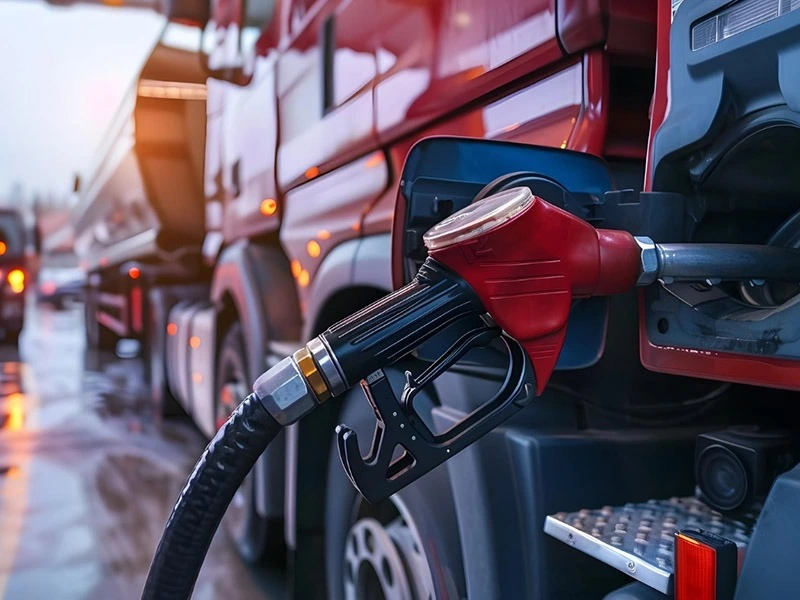
Fuel costs have always been a major expense for commercial fleets, and the current fuel crisis has only increased the financial burden. Manual reporting, the inefficiency of staff, fuel theft, and the skyrocketing cost of fuel make this task next to impossible. However fleet managers are forced to guess how and where fuel is being consumed and wasted.
How fuel tracking software reduces the cost of fuel? The Fuel Monitoring System puts the business in control of how and where fuel is being used in every vehicle. It combines the use of fuel sensors, the GPS system, telematics, and cloud reporting to give the business real-time reporting of fuel levels, fuel consumption, refueling, and even suspicious fuel loss. This business now has the ability to control expenses and operate more efficiently.
Moreover the Fuel Management System also tracks fuel more easily and efficiently. Instead of using logs or spreadsheets, this system tracks fuel for you.
The Fuel Monitoring system designed by Enroute Technologies gives the business the ability to manage fuel, track employee and vehicle use, maintenance scheduling, and control business costs in one location.
Key Takeaways
- Monitor fuel levels and consumption in real time.
- Detects fuel theft and unauthorized fuel usage faster.
- Improve fleet fuel efficiency through accurate data.
- Reduce operating costs with automated fuel reporting.
- Track refueling events and fuel drain alerts.
- Analyze fuel performance across vehicles and equipment.
- Integrate fuel monitoring with GPS tracking and telematics for better fleet visibility.
What Is a Fuel Monitoring System?
This is a system that tracks the consumption and management of fuel across all vehicles and equipment in an organization, including how fuel is stored. Moreover businesses no longer have to track fuel manually this system provides real, up-to-the-minute information that reduces fuel costs and increases the efficiency of operations.
Why do businesses need a Fuel Monitoring System?
Fuel costs can increase dramatically as a result of inefficient driving direction, excessive vehicle idling, fuel misappropriation, and bogus reporting. Unfortunately, without the appropriate information, the majority of these problems are easily overlooked.
A fuel monitoring solution helps businesses answer important questions, such as:
- How much fuel is each vehicle using?
- Are drivers consuming more fuel than expected?
- Has fuel been drained without authorization?
- Which vehicles have the highest fuel costs?
Having these answers enables fleet managers to respond quickly instead of relying on assumptions.
What makes up a Fuel Monitoring System?
A modern system combines several technologies to provide accurate fuel visibility:
- Fuel level sensors for continuous measurement.
- GPS tracking devices to record vehicle location.
- Telematics to collect operational data.
- Cloud-based dashboards for centralized monitoring.
- Automated reports and instant alerts.
- Mobile access for monitoring fleets from anywhere.
Together, these technologies provide a complete view of fuel usage, helping businesses reduce waste, improve accountability, and make smarter operational decisions.
Common Fuel Management Challenges Businesses Face
Tracking fuel is more than just the management of refueling. Every step in the process from refueling the vehicle tracking to the idle time in between costs the business money. With fuel data management, businesses are able to identify and control the inefficiencies.
Where do most businesses lose fuel?
Most fleet operators don’t see fuel losses until their monthly budget reports show increased expenditures. At that point, the cause is usually impossible to determine.
Common challenges include:
- Unauthorized fuel usage
- Fuel theft or siphoning
- Excessive engine idling
- Inefficient routes
- Manual fuel logs
- Inaccurate fuel records
- Unexpected fuel shortages
These issues reduce profitability and make it harder to manage fleet operations efficiently.
Why isn’t manual fuel tracking enough?
Manual methods offer poor visibility. They can’t identify fuel losses when they occur. Moreover they can’t compare the fuel efficiency of different vehicles. They can’t give alerts when fuel losses occur. Even within small fleets, these methods are prone to errors. As fleet size grows, these errors and delays occur with more frequency.
An automated digital Fuel Management System closes these gaps by eliminating the barriers listed above. Fleet managers are empowered to monitor fuel usage, and identify abnormal activity and trends based on accurate data, all before the month-end budget report.
How Does a Fuel Management System Work?
Modern Fuel Management Systems are a combination of hardware and software that record fuel usage from the moment fuel is dispensed into vehicles and consumed. Although businesses no longer have to rely on estimates and can make better operational decisions based on accurate data.
How is fuel data collected?
Fuel level sensors and GPS tracking devices measure and record the location and status of vehicles. Teaming sensors with GPS tracking devices improves the systems ability to record fuel events.
Because these systems work together, every fuel event is recorded with greater accuracy.
Where can you view fuel information?
All collected data is sent securely to a cloud-based dashboard. Fleet managers can access it from a computer or mobile device to view:
- Live fuel levels
- Fuel refill history
- Fuel consumption trends
- Fuel drain events
- Vehicle location
- Automated reports
When paired with En Route Technologies’ fleet management system, businesses can view driver behavior, maintenance history, and vehicle performance. Furthermore this seamless connection enables businesses to have a clear view of their operations, which can lead to more strategic and effective decisions regarding the fleet.
Real-Time Fuel Monitoring and Fuel Consumption Tracking
The loss of fuel does not need to prompt a reaction. Timely and accurate data allows businesses to be proactive and respond to unusual fuel consumption in real time. Using fuel monitoring software, fleet managers can keep track of every single vehicle.
What can you monitor in real time?
Modern systems provide continuous visibility into fuel-related events, including:
- Current fuel levels
- Fuel consumption
- Refueling activities
- Fuel drain incidents
- Vehicle location
- Engine idle time
This live information helps managers verify that fuel is being used as expected across the fleet.
How does fuel consumption tracking improve operations?
Fuel Consumption Monitoring lends a view to consumption patterns that are often missed. For example, a vehicle that consistently has greater fuel consumption than others can be the result of a number of issues including maintenance.
Spotting trends like these early allows companies to increase fuel efficiency, manage costs, and improve fleet performance. Every operational decision can be made with data, as opposed to working from assumptions.
Preventing Fuel Theft and Unauthorized Fuel Usage
Fuel theft can eat away at overall operating costs, especially with large fleets and in remote job sites. The right Fuel Monitoring System can help your company spot the precursor signs and guard against fuel theft before it becomes a habitual issue.
How does a Fuel Monitoring System detect fuel theft?
Fuel Monitoring Systems come equipped with fuel level sensors, which measure the amount of fuel in a fuel tank. Moreover if a significant drop is flagged when the vehicle is parked or the engine is turned off, a theft is assumed.
Managers receive real-time alerts with details such as:
- Time of the incident
- Vehicle location
- Amount of fuel lost
- Driver information (if available)
This allows businesses to investigate suspicious activity without delay.
Can it prevent unauthorized fuel usage?
Yes. Monitoring fuel in this way does not only focus on theft. It helps capture cases of non-business refueling, high fuel wastage, and suspicious fuel activities. Moreover fleet managers can use a combination of this system with GPS for fleet tracking and Geofencing to verify if the fuel-related activities were performed in business-approved locations.
Improving Fleet Fuel Efficiency and Reducing Operating Costs
Reducing fuel costs isn’t just about buying fuel at lower prices. It’s about using every litre more efficiently. A Fuel Management System provides the insights needed to improve fuel performance across the entire fleet.
What affects fuel efficiency?
Several everyday factors can increase fuel consumption, including:
- Excessive engine idling
- Harsh acceleration
- Speeding
- Poor route planning
- Overloaded vehicles
- Delayed maintenance
Without accurate data, these issues often remain unnoticed and continue driving up operating costs.
How can fleet managers improve fuel efficiency?
Businesses can identify performance and behavior gaps by layering GPS and fuel monitoring with telematics. From there, managers can coach drivers, optimize routes, reduce idle times, and plan preventive maintenance to reduce the impact on fuel economy.
In the long run, the pieces of the puzzle will lead to decreased fuel spending and increased operational efficiency.
Fuel Analytics and Performance Reporting
The first step is to gather fuel data. The next step is to gain insights. Fuel monitoring software contains features that support the collection of data and support the generation of performance reports to assist organizations manage costs associated with operational performance.
Which fuel reports matter most?
Automated dashboards make it easy to track key performance indicators, such as:
- Fuel consumption by vehicle
- Fuel cost trends
- Refueling history
- Fuel drain events
- Idle fuel usage
- Distance travelled per litre
- Vehicle performance comparisons
These reports give fleet managers a complete picture of fuel usage across the operation.
How do analytics support better decisions?
Rather than making assumptions, organizations can identify which vehicles are costlier to operate, drivers, and performance issues, and avoid losses by addressing trends that may lead to issues.
Fuel Data combined with Reporting and Analytics, along with En Route Technologies, GPS, Driver Management, and Maintenance, provides a comprehensive and integrated view that enables organizations to not only make data driven decisions and enhance performance, but also lower the cost of operations for the fleet.
Fuel Tank Monitoring for Mobile and Static Assets
This service isn’t intended only for customers with fuel-transporting vehicles. Many companies need to track fuel in stationary tanks, fuel in generators, and fuel in heavy equipment. With a Fuel Monitoring System, you can track fuel in all mobile and static resources.
Which assets can you monitor?
Modern Fuel Monitoring Software supports a wide range of equipment, including:
- Fleet vehicles
- Diesel storage tanks
- Construction machinery
- Backup generators
- Mining equipment
- Agricultural machinery
Monitoring every asset with best asset management system from one platform reduces manual inspections and improves fuel accountability.
Why is remote tank monitoring important?
The goal of remote monitoring of fuel tanks is to allow companies to monitor fuel levels without physically being present at the site. Alerts about low fuel levels, unaccounted for fuel loss, and refill events help managers plan and schedule fuel deliveries and maintain business operations. This level of monitoring is critical for companies who have assets located in multiple sites.
Industries That Benefit from Fuel Monitoring Systems
Any business with a fuel-powered vehicle or piece of equipment needs to monitor fuel usage. A Fuel Management System can help a business from any sector reduce fuel waste and improve overall operational efficiency while managing and controlling costs.
Where does fuel monitoring create the most value?
Logistics and transportation: Track fuel consumption across delivery fleets, optimize routes, and improve vehicle utilization.
Construction and mining: Monitor fuel usage in excavators, loaders, cranes, and other heavy equipment operating across multiple job sites.
Oil and gas: Keep track of fuel stored in remote tanks and support uninterrupted operations.
Utilities and government fleets: Improve fuel accountability for service vehicles while simplifying reporting and compliance.
Regardless of the industry, real-time fuel data supports better planning and more efficient fleet operations.
How to Choose the Best Fuel Monitoring System
Not every solution offers the same level of accuracy or flexibility. Choosing the right platform depends on your fleet size, operational needs, and long-term growth plans.
Which features should you prioritize?
Look for a solution that includes:
- Accurate fuel level sensors
- GPS tracking integration
- Real-time alerts
- Cloud-based dashboard
- Mobile access
- Automated reporting
- Telematics integration
- Scalable fleet management capabilities
These features provide the visibility needed to manage fuel efficiently as your operations expand.
Why does integration matter?
Fuel data becomes even more valuable when it connects with other fleet systems. Platforms like En Route Technologies combine fuel monitoring with GPS tracking, driver behavior monitoring, fleet maintenance, and reporting analytics. This integrated approach gives businesses a complete view of fleet performance instead of isolated data.
Future Trends in Fuel Monitoring Technology
Fuel monitoring continues to evolve as connected fleet technologies become more advanced. Businesses are moving beyond simple fuel tracking toward predictive insights that improve operational planning.
What can businesses expect in the future?
Emerging technologies are making fuel management more intelligent through:
- AI-powered fuel analytics
- IoT-enabled fuel sensors
- Predictive fuel consumption analysis
- Smart maintenance alerts
- Cloud-based automation
- Remote fleet monitoring
The result of these developments is that businesses will be able to spot issues more quickly and make more timely decisions prompted by data.
Why is connected fleet management the future?
More businesses are integrating connected systems rather than having separate systems for fuel, maintenance, and vehicle tracking. By integrating telematics, fuel tracking, and GPS tracking system analytics, businesses can understand and help sustain the efficiency of their fleet.
Conclusion
Managing fuel isn’t simply about ensuring there’s enough fuel. However the latest Fuel Monitoring Systems give businesses the ability to track real-time fuel consumption, identify fuel theft, and drive down costs and increase efficiency with the added accountability of the drivers. The combination of fuel data and a system of fleet management analytics and monitoring with GPS, telematics, and fleet maintenance create a system that drives fleet management to be more efficient.
At En Route Technologies, fuel monitoring is integrated into fleet management, rather than offered as a separate module. From a centralized cloud, multiple vehicles can be monitored alongside drivers, fuel, and maintenance. AI insights, predictive maintenance and routing, and automated reporting help clients confront challenges before they affect operations. En Route Technologies, with over two decades in fleet management and enterprise readiness, aims to help firms optimize fleet data for efficiency, cost savings, and sustainability.
Contact us and streamline your workflow with the most reliable Fleet Monitoring System.
FAQ's
A Fuel Monitoring System tracks fuel levels, consumption, refueling activities, and fuel loss using sensors, GPS tracking, and telematics. It provides real-time visibility to help businesses improve fuel management and reduce operating costs.
It collects data from fuel sensors, GPS devices, and telematics, then sends the information to a cloud-based dashboard. Fleet managers can monitor fuel usage, generate reports, and receive real-time alerts from any location.
Yes. The system detects sudden fuel drops, unauthorized fuel drain events, and unusual fuel activity. Instant alerts allow businesses to investigate incidents quickly and improve fuel security.
By identifying excessive idling, inefficient routes, and high fuel consumption, businesses can optimize operations, improve driver performance, and reduce fuel costs.
Yes. Fuel monitoring supports heavy machinery, generators, diesel storage tanks, and other equipment used across construction, mining, agriculture, and industrial operations.
Logistics, transportation, construction, mining, oil and gas, utilities, agriculture, and government fleets all benefit from improved fuel visibility, cost control, and operational efficiency.
Look for accurate fuel sensors, GPS integration, telematics, cloud-based dashboards, mobile access, automated reporting, real-time alerts, and seamless integration with a complete fleet management platform.