
Managing a commercial fleet involves more than tracking the movement of vehicles. Additionally, it requires companies to ensure that every vehicle remains safe, compliant, and ready for the road. However, many companies still rely on manual inspections, paper-based checklists, and on-the-spot reporting. As a result, these outdated methods create safety risks and maintenance gaps across their fleets.
Furthermore, an effective Vehicle Inspection Service helps companies discover vehicle defects before they cause costly breakdowns, safety issues, or compliance challenges. By conducting regular inspections, fleet managers can understand vehicle conditions, identify faults, and keep their vehicles operating efficiently.
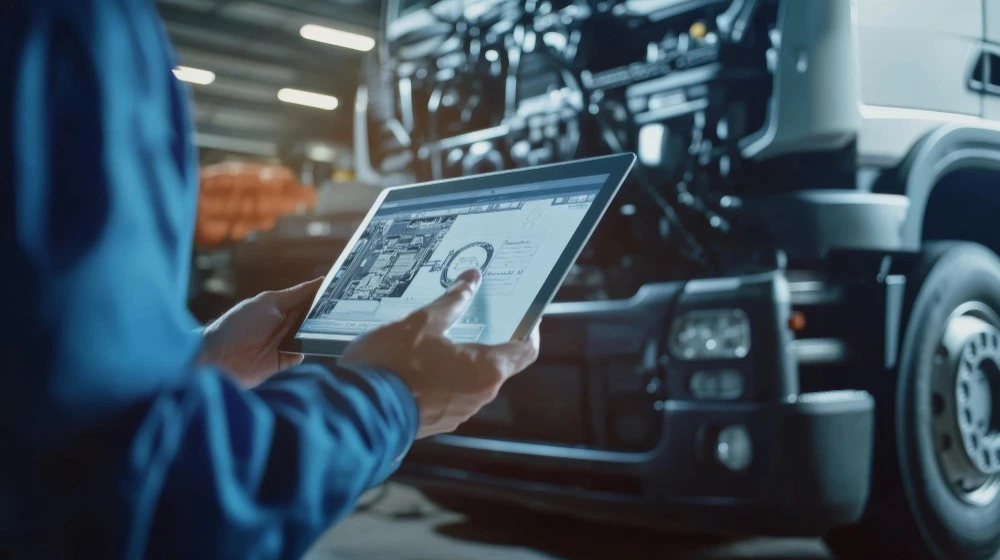
Moreover, technology has transformed fleet operations and helps businesses replace manual inspection processes with smarter solutions. Today, Digital Vehicle Inspection solutions help companies optimize fleet management through mobile inspection applications, digital checklists, real-time reports, and maintenance alerts.
In addition, when businesses integrate Digital Vehicle Inspections with a modern Fleet Management System, they gain clear visibility into vehicle health, driver performance, and maintenance requirements. As a result, logistics, transportation, construction, and commercial service fleets can improve safety, reduce downtime, and extend vehicle lifespan.
What Is a Vehicle Inspection Service?
Vehicle Inspection Services examine a vehicle’s safety and mechanical operability. As a result, companies can identify defects and confirm that vehicles meet compliance and safety standards.
Vehicle Inspections play a critical role in commercial fleet operations. Because commercial fleets face demanding operating conditions, inspections help companies detect issues with brakes, tires, lighting, engine performance, and other critical components.
The Digital Vehicle Inspection Platform enables modern vehicle inspections to be conducted via a mobile application, incorporating checklist steps, the ability to take and upload photographs of defects, and the instant submission of inspection reports. The fully integrated vehicle inspection process covers the following inspections:
- Daily vehicle inspections
- Pre-trip inspections
- Post-trip inspections
- Safety inspections
- Compliance inspections
- Preventive maintenance inspections
When a trustworthy Fleet Vehicle Inspection system is employed, organizations control maintenance more effectively and less downtime is experienced due to vehicle breakdowns.
How Does a Digital Vehicle Inspection Work?
The Digital Vehicle Inspection system focuses on the inspection process and eliminates the paper work. Drivers and Inspectors execute the inspection from a mobile application, while Fleet Managers are provided real-time reports about the condition of the vehicles.
This process typically starts when the driver launches the Driver Inspection application and completes a digital inspection checklist. The inspection checklist directs the driver to inspect various vehicle components and systems, including tires, wheels, mechanical as well as brake and lighting safety equipment.
Should the driver find a concern, the defect can be reported on the system via the:
- Photos or videos of vehicle damage
- Notes about the problem
- Defect severity level
- Electronic signatures
- Inspection completion details
The system captures the inspection results and stores the data in a secure cloud environment. Fleet Managers and fleet maintenance system teams are provided proactive notifications enabling them to remedy the defects prior to them resulting in costly repair downtime.
Digital Vehicle Inspection Systems also fulfill the requirements of the Driver Vehicle Inspection Reports (DVIRs) by generating electronic records that ensure compliance as well as documentation required for audit inspections.
Types of Vehicle Inspections
There are various vehicle inspections based on how the vehicle is used, conditions it travels through, and applicable laws. A complete Vehicle Inspection Service offers diverse inspections to keep the fleet safe.
Pre-Trip Vehicle Inspection
A trip cannot begin before this type of inspection is done. The driver is responsible to do this type of inspection to ensure the safety of passengers and others on the road.
These inspections commonly include:
- Tire condition
- Brake performance
- Fluid levels
- Lights and indicators
- Safety equipment
- Vehicle warning systems
Pre-trip inspections help drivers identify potential risks before they affect daily operations.
Post-Trip Vehicle Inspection
This type of inspection is done to check the vehicle reliability. It is done to check the early signs to help plan vehicle maintenance, and to prevent unexpected failures.
Drivers can report:
- New damages
- Mechanical problems
- Warning signals
- Maintenance requirements
This information helps maintenance teams schedule repairs quickly.
Preventive Maintenance Inspections
Preventive maintenance inspections focus on identifying early signs of wear and preventing unexpected failures. They support better maintenance planning and improve vehicle reliability.
Compliance and Safety Inspections
Commercial fleets must meet industry regulations and safety standards. Compliance inspections help businesses maintain accurate records and demonstrate operational responsibility.
Key Features of a Vehicle Inspection System
A modern Fleet vehicle inspection software provides advanced features that simplify inspections and improve decision-making. Unlike manual processes, digital solutions provide accurate data, faster communication, and better visibility.
Digital Inspection Checklists
Fleet managers can customize digital checklists to ensure all the necessary components are inspected for each vehicle.
Photo-Based Defect Reporting
Photo evidence of vehicle complaints is the clearest form of evidence. The driver is able to document complaints on the app. This is helpful for the maintenance team to understand the complaint before arriving for the repair.
Automated Alerts and Notifications
Critical defect reports from drivers are sent as alerts to the maintenance team. This is helpful to the fleet manager to understand which repairs should be prioritized due to safety concerns.
Real-Time Inspection Reports
Fleet managers are able to see results of an inspection on a centralized dashboard. This report captures the condition of the vehicle, issues of repeat nature, and the maintenance history.
Maintenance Integration
When inspection and maintenance tools are integrated, tasks for repairs are automatically created. This seamless integration improves and eliminates the inefficiencies and delays of the past.
Benefits of Vehicle Inspection Service for Fleet Management
Customer focused Vehicle Inspection Service offers benefits to fleet management of their commercial vehicles. The digitization of inspections offers improved safety, and decreased costs that can be redirected toward optimizing daily business activities.
Improved Fleet Safety
Regular inspections of a fleet can ensure the identification and removal of unsafe vehicle conditions which can cause accidents. Regular inspections of a fleet can help a business maintain safety standards.
Reduced Vehicle Downtime
The unexpected breakdown of a vehicle can be a significant cost. Digital inspections can help avoid breakdowns and the repairs associated with it.
Lower Maintenance Costs
Inspections help avoid costly repairs. The condition of the vehicle can help determine when maintenance should occur rather than a set schedule of maintenance.
Better Compliance Management
Digital inspections can help with documentation during an audit. This is helpful for inspections and checks that are required for compliance of safety regulations.
Extended Vehicle Lifespan
Facility performance for vehicles improves with consistent monitoring, enabling businesses to optimize the value of their assets with proper upkeep.
Increased Operational Efficiency
Inspection data enables greater control of the operational resources — vehicles, drivers, and schedules — when integrated with a Fleet Management System.
Vehicle Inspection Service Across Different Industries
Reliability and safety of vehicles directly influence operations of businesses across all industries. A Commercial Vehicle Inspection solution addresses these concerns.
Logistics and Delivery Companies
Maintenance availability of vehicles is critical to logistics services to ensure the fulfillment of scheduled deliveries. Digital inspections help diagnose with vehicle maintenance management software concerns and avoid delays prior to the vehicle leaving the facility.
Transportation Companies
Inspections are critical for the safe transport of passengers. Vehicle roadworthiness and safety are the primary concerns of bus operators and transport service providers.
Construction Fleets
Heavy construction equipment can operate in disruptive environments. Inspections help avoid concerns with equipment and service disruptions.
Oil and Gas Fleets
Field conditions of the oil and gas field services require even more focus on safety. Inspections help achieve compliance with safety standards and improve the reliability of vehicles.
Rental Companies
Rental services are concerned with the upkeep of a large inventory of vehicles. Inspections help track the condition of vehicles before and after use by customers.
Government and Municipal Fleets
Government services gain from improved maintenance planning and digital records to increase accountability.
Preventive Maintenance Through Digital Inspections
An essential benefit of a Digital Vehicle Inspection solution is preventive maintenance. Vehicles are no longer driven to failure. Instead, businesses are empowered to act upon maintenance concerns in a timely manner.
Inspection data reflects the overall condition of vehicles. Fleet managers can identify reoccurring defects, analyze repair trends, and optimize the scheduling of maintenance with this data.
When combined with Fleet Maintenance Systems, digital inspections provide the following benefits.
- Automated maintenance scheduling
- Vehicle health monitoring
- Repair tracking
- Service history management
- Maintenance cost analysis
Furthermore, combining inspection data with GPS tracking and telematics creates a complete view of vehicle performance.
You can explore how advanced tracking technology improves fleet visibility through our GPS Tracking System solutions.
Why Businesses Choose En Route Technologies
En Route Technologies partners with companies to modernize and digitize fleet operations. The focus is on providing tools that promote improved safety and better fleet visibility and efficiency.
With the Digital Vehicle Inspections solution, manual inspections can be replaced with quicker and more accurate digital workflows. Inspections can be performed via mobile by the driver and reported to managers in real time on a centralized dashboard.
When inspections are integrated with a robust Fleet Management System, organizations can better assess the condition of vehicles and plan the maintenance needs.
En Route Technologies also provides organizations with:
- GPS Fleet Tracking solutions
- Driver monitoring tools
- Maintenance management
- Reporting analytics
- Telematics and IoT solutions
- Connected fleet technology
These solutions help logistics companies, transportation providers, and commercial fleets build safer and smarter operations.
Future of Digital Vehicle Inspection
The future of Vehicle Inspections is about the intersection of automation, AI, and connected vehicle technology. Inspection processes will be faster and more intelligent and predictive as fleets continue to digitize.
AI inspection systems have the potential to evaluate the condition of a vehicle, find defects, and facilitate maintenance decisions. IoT sensors can evaluate the condition of a critical component of a vehicle and provide real-time health data.
Advanced inspection systems will be able to:
- AI-based defect detection
- Predictive maintenance alerts
- Connected vehicle monitoring
- Automated compliance reporting
- Paperless inspection workflows
When combined with telematics, GPS tracking, and fleet management technology, digital inspections will help businesses create safer and more efficient transportation networks.
Conclusion
A dependable vehicle inspection service provides safer, more efficient, and more effective fleet operations. Automated Digital Vehicle Inspection systems improve the management of vehicle health, compliance, and the frequency of breakdowns.
Digital inspection systems empower drivers and fleet managers to identify vehicle health issues and traps defects in real time so that effective maintenance decisions are made to mitigate vehicle downtime. Checklists, real-time defects, and maintenance task automation are vital components of an effective fleet management solution.
The use of Digital Vehicle Inspection systems combined with telematics and an integrated fleet management solution provides an intelligent solution to manage vehicles. It enables safety, operational, and vehicle lifespan improvements.
Contact us today to see how Digital Vehicle Inspection systems will enhance fleet safety and efficiency.
FAQ's
A Vehicle Inspection Service evaluates a vehicle’s safety, mechanical condition, and operational readiness. It helps businesses identify defects, maintain compliance, and prevent unexpected breakdowns.
A Digital Vehicle Inspection uses mobile applications, digital checklists, and cloud-based reporting to replace traditional paper inspections. It allows drivers and technicians to submit accurate inspection reports instantly.
Pre-trip inspections identify safety issues before vehicles operate, while post-trip inspections detect problems after routes are completed. Both processes help maintain vehicle reliability and safety.
Digital inspections provide real-time defect reporting, automated alerts, and accurate maintenance records. These features help fleet managers resolve safety issues quickly.
A vehicle inspection checklist should include tires, brakes, lights, fluids, engine components, safety equipment, and other vehicle-specific requirements.
A vehicle inspection checklist should include tires, brakes, lights, fluids, engine components, safety equipment, and other vehicle-specific requirements.
Commercial vehicles should follow daily inspection routines along with scheduled preventive maintenance checks based on vehicle usage, regulations, and manufacturer recommendations.
Yes. Digital inspections help detect problems early, reduce emergency repairs, improve maintenance planning, and extend vehicle lifespan.