
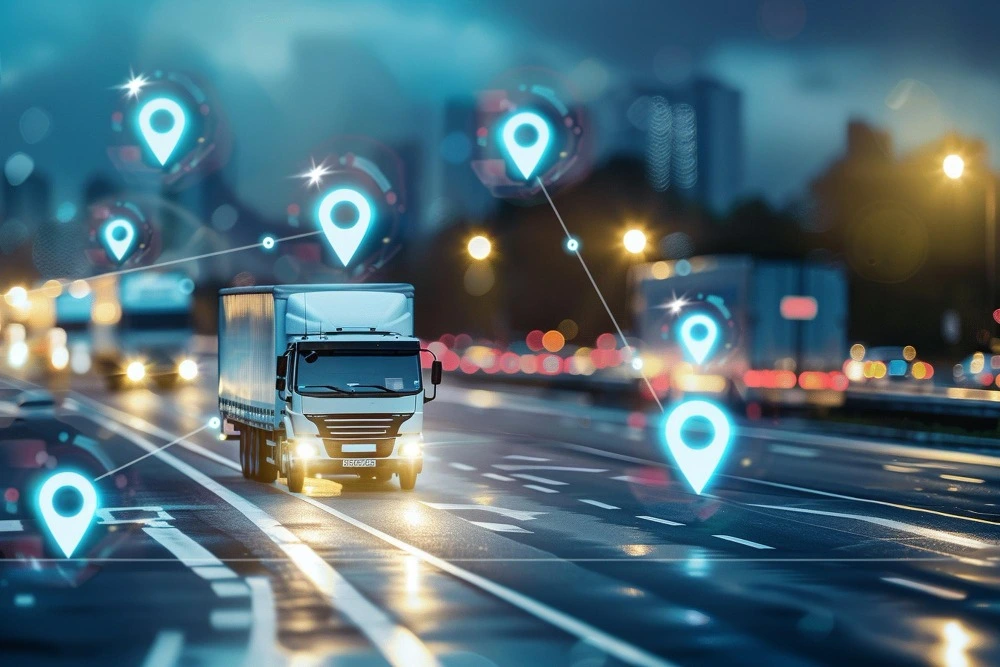
GPS tracking is an important part of modern fleet operations, but it solves only one part of the management challenge. A Fleet Management System from En Route Technologies builds on the live visibility provided by a GPS Tracking System and connects that data with drivers, maintenance, fuel, inspections, costs, compliance, and reporting. Instead of seeing only where vehicles are, managers gain a connected view of how the entire fleet is performing.
This wider control helps businesses act on fleet data. Dispatchers can respond faster, workshop teams can plan service before avoidable downtime develops, safety teams can review driver behaviour, and management can monitor utilisation and operating costs. GPS data remains essential, but fleet management turns that data into coordinated action across the business.
Quick answer: GPS tracking is an essential foundation for fleet visibility, but it covers only part of the operation. A fleet management system builds on live GPS data and connects vehicles, drivers, maintenance, fuel, inspections, costs, compliance, and reporting in one operational platform.
What is a GPS tracking system?
A GPS tracking system uses a receiver installed in a vehicle or asset to calculate its location from satellite signals. A telematics device then sends that information to a web or mobile platform, usually through a mobile data network. Fleet teams can view the vehicle on a live map and review what happened during previous journeys.
The system is built around visibility. It helps dispatchers confirm where a vehicle is, how quickly it is moving, whether it has entered a restricted area, and how closely the actual route follows the planned route. This information is valuable, but on its own it does not manage service schedules, driver records, inspections, repair tasks, operating costs, or cross-department reporting.
Core GPS tracking functions
- Live vehicle and asset location on a central map.
- Trip history, route playback, mileage, stops, and journey timelines.
- Geofence alerts when a vehicle enters or leaves a defined area.
- Speed, movement, ignition, idling, and unauthorised-use alerts.
- Dispatch support, route monitoring, and more accurate estimated arrival times.
- Location evidence that can support asset security and incident review.
These functions make GPS tracking a strong foundation. The limitation appears when location data sits separately from the rest of the fleet operation. Businesses that want to reduce avoidable downtime, improve driver accountability, control fuel use, and measure total fleet performance need the connected workflows of a fleet management system.
What is a fleet management system?
A fleet management system is the complete operational layer above GPS tracking. It uses live location and telematics data, then connects that information with the people, costs, condition, compliance, and work attached to every vehicle. The result is one environment for managing fleet activity instead of several disconnected tools.
For example, location data may show that a vehicle completed a journey. The fleet platform can connect that journey with the assigned driver, fuel usage, service mileage, inspection results, route performance, and cost reporting. This gives operations, safety, workshop, and finance teams a shared record instead of separate spreadsheets and disconnected applications.
Typical fleet management capabilities
- Vehicle tracking and dispatch based on current position, status, and availability.
- Driver records and performance through a connected driver management system.
- Maintenance planning with service schedules, work orders, fault alerts, and vehicle history.
- Fuel control using consumption, idling, route, and exception data.
- Digital inspections that create traceable condition and compliance records.
- Fleet reporting covering utilisation, cost, downtime, safety, and operational trends.
With En Route Technologies, these capabilities work as a connected fleet ecosystem. Teams can move from a live tracking event to driver review, maintenance action, inspection evidence, fuel analysis, or management reporting without rebuilding the same information in separate spreadsheets.
Fleet Management System vs GPS Tracking System: key differences
The clearest difference is the level of control. GPS tracking answers location-led questions. Fleet management uses that visibility to support operational decisions across vehicles, drivers, maintenance, safety, fuel, compliance, and cost.
| Area | GPS Tracking: Visibility | Fleet Management: Complete Control |
|---|---|---|
| Business value | Shows what is happening on the road and where assets are located. | Turns live data into action across dispatch, maintenance, safety, fuel, compliance, and management. |
| Operational view | Focuses mainly on trips, stops, speed, idling, and geofence events. | Combines GPS data with driver, workshop, inspection, fuel, cost, utilisation, and service records. |
| Maintenance | Can provide mileage or selected fault data for reference. | Schedules servicing, creates work orders, records repairs, controls downtime, and preserves service history. |
| Driver management | Captures driving events linked to trips or vehicles. | Connects events to driver profiles, assignments, licences, scorecards, coaching, and safety trends. |
| Fuel control | Reveals idling, unnecessary mileage, and route deviation. | Connects those events with consumption, budgets, exceptions, vehicles, routes, and drivers. |
| Compliance | Provides movement history and location-based evidence. | Combines inspections, renewals, driver documents, service records, and audit-ready reporting. |
| Reporting | Produces location, trip, alert, and activity reports. | Provides cross-functional insight into cost, utilisation, maintenance, fuel, safety, and compliance. |
| Best fit | Businesses seeking basic vehicle visibility as a starting point. | Growing and established fleets seeking stronger control, efficiency, accountability, and scalability. |
Why fleet management goes beyond GPS tracking
GPS tracking supplies the live movement data that a modern fleet needs. Fleet management unlocks more value from that data by connecting it with the workflows that affect cost, uptime, safety, service quality, and compliance. This is the difference between viewing information and managing the operation behind it.
A connected Telematics & IoT Platform can send location and vehicle data directly into maintenance, driver, safety, fuel, and reporting workflows. En Route Technologies uses this connected approach to reduce manual data entry and keep departments working from one operational record.
A speeding event can reach the correct driver record, mileage can trigger maintenance action, inspection results can support road-readiness decisions, and route or idling data can appear in cost reports. The same fleet event becomes useful to every relevant team instead of remaining as a notification on a tracking screen.
Which system delivers more business value?
GPS tracking is the essential foundation
GPS tracking gives dispatchers and managers the essential visibility needed to monitor vehicles, confirm journeys, create geofences, improve dispatching, and respond to unauthorised movement. However, businesses that rely on tracking alone may still handle maintenance, inspections, driver records, fuel exceptions, and management reports through separate systems or manual processes.
Fleet management connects the entire operation
A fleet management system is the stronger business solution because it connects live visibility with the work required to keep vehicles productive. Teams can control service schedules, assign drivers, record inspections, analyse fuel, calculate utilisation, manage compliance, and report performance across departments from the same platform.
It becomes especially useful when the same event affects more than one team. A diagnostic alert, for example, may require the workshop to create a repair task, operations to reassign the vehicle, and management to review the cost and downtime. A connected Fleet Maintenance System keeps that process attached to the vehicle record instead of spreading it across calls, messages, and spreadsheets.
An integrated platform supports confident growth
Growing operations need live tracking and full operational control working together. An integrated platform avoids duplicate records and gives managers a clearer picture of what each vehicle is doing, what it costs, who is responsible, and what needs attention next. New vehicles, users, workflows, and reporting needs can be managed within the same connected environment.
How fleet management creates operational value
Dispatch and customer updates
GPS tracking provides the live location and route information needed for dispatching. A fleet management platform can add vehicle availability, driver assignment, job status, and resource rules. This makes it easier to select the right vehicle and driver rather than simply choosing the closest dot on the map.
Driver safety and accountability
Tracking data can detect speeding, harsh braking, rapid acceleration, cornering, and route exceptions. A connected Driver Management System attaches those events to the correct driver profile, supports coaching, tracks licence or certification dates, and builds longer-term safety trends. Video evidence from ADAS & AI Dashcam Solutions can add context when a flagged event needs review.
Fuel and operating costs
GPS data can show excessive idling, unnecessary mileage, and route deviation. A Fuel Monitoring System can combine these signals with fuel records, consumption patterns, exceptions, and budgets. The technology identifies where waste may be occurring; savings depend on how managers use the evidence to change routes, vehicle allocation, maintenance, or driving behaviour.
Maintenance and road readiness
A tracker can supply mileage, engine hours, and selected diagnostic information. Fleet management uses that data to trigger service schedules, create work orders, record repairs, and measure downtime. Digital checks through Vehicle Inspection Software can help teams identify defects before a vehicle is dispatched and keep a traceable inspection history.
Reporting and management decisions
GPS reports explain trips and movement. Wider Fleet Reporting and Analytics can combine location, maintenance, fuel, driver, inspection, and cost data. This lets managers review utilisation, downtime, cost per vehicle, safety performance, and recurring exceptions without rebuilding the same report from several exports.
What to look for in a complete fleet platform
- Live GPS tracking, route history, geofences, dispatch tools, and movement alerts.
- Connected maintenance, work orders, inspections, driver, fuel, and cost workflows.
- Automatic links between GPS events and the correct vehicle, driver, job, and department.
- Clear reports for operations, finance, safety, customers, and compliance teams.
- Integration options for ERP, HR, finance, workshop, and business intelligence systems.
- Scalability across additional vehicles, assets, depots, users, and operating regions.
- Secure user permissions, reliable hardware options, implementation support, and future upgrades.
En Route Technologies brings these capabilities together so businesses can build the platform around their real fleet operations. The value comes from connecting each module to the same live data instead of managing a collection of isolated tools.
Why choose En Route Technologies?
En Route Technologies combines live GPS visibility with broader fleet workflows in one connected environment. Tracking data supports dispatching, routes, geofences, and security, while fleet modules extend that information into driver performance, maintenance, inspections, fuel analysis, work orders, compliance, and management reports.
This gives businesses a practical route from visibility to control. Managers can respond to current fleet activity while also improving uptime, accountability, road readiness, resource use, and long-term performance. The platform can be configured around the required modules, hardware, integrations, user roles, and reports rather than forcing teams to work around a generic setup.
For fleets operating in the UAE and wider Middle East, En Route also connects operational tools with regional fleet and transport requirements. Businesses can manage current activity and build stronger records for inspections, drivers, service history, safety, and reporting from the same fleet ecosystem.
Move beyond basic tracking with En Route
The Fleet Management System vs GPS Tracking System comparison leads to a clear business conclusion. GPS tracking provides essential live visibility, while fleet management turns that visibility into coordinated control across drivers, maintenance, fuel, inspections, costs, compliance, and reporting.
En Route Technologies brings both capabilities together in one connected fleet ecosystem. Businesses gain visibility on the road, control over the work behind it, and clearer information for every operational decision. Book a demo with En Route Technologies to see how the platform can support your vehicles, drivers, workshop, safety, compliance, and reporting needs.
FAQ's
Yes. GPS tracking provides the live location, trip, mileage, and driving-event data used by a connected fleet platform. En Route Technologies turns that data into practical workflows for drivers, maintenance, fuel, inspections, costs, compliance, and reporting.
Standalone GPS tracking shows where vehicles are and how they are moving. Fleet management connects that visibility with the work required to improve uptime, safety, accountability, fuel control, service delivery, and management reporting.
The platform can identify fuel-related waste such as excessive idling, unnecessary mileage, route deviation, and aggressive driving. Managers can use this evidence to improve routes, coach drivers, plan maintenance, and allocate vehicles more effectively.
Yes. En Route connects mileage and vehicle data with service schedules, work orders, inspections, repair records, vehicle history, and downtime management. This helps workshop and operations teams act before maintenance issues disrupt service.
Yes. The value depends on operational complexity, not only fleet size. A small fleet can benefit when it needs better maintenance control, driver accountability, inspection records, fuel visibility, compliance, or reliable reporting. Starting with a connected platform can also prevent operational gaps as the fleet grows.
En Route combines GPS tracking, telematics, drivers, maintenance, inspections, fuel, safety, compliance, and reporting in one connected ecosystem. Businesses gain live visibility on the road and stronger control over the operational work behind it.