
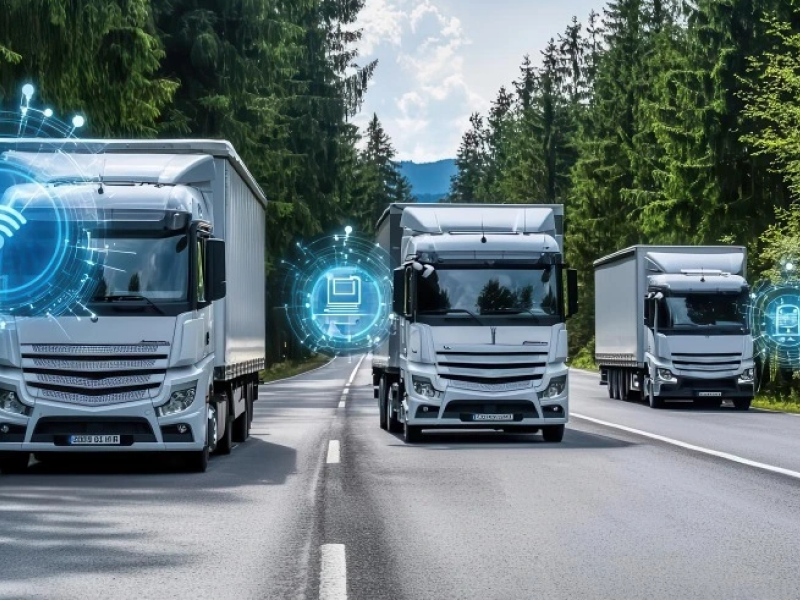
A fleet manager plays a central role in keeping vehicles, drivers, assets, and daily transportation operations safe, productive, and cost-effective. Whether an organization operates a small company fleet or hundreds of commercial vehicles, effective fleet management requires continuous planning, monitoring, coordination, and performance improvement.
Understanding Fleet Manager Responsibilities Explained helps businesses define clear roles and create stronger operational processes. A fleet manager must balance vehicle availability, maintenance, driver performance, fuel costs, safety, compliance, and service requirements while supporting wider business goals.
Modern technology makes these responsibilities easier to manage. A Fleet Management System gives managers centralized visibility into vehicles, drivers, maintenance, tracking data, and performance information.
What Does a Fleet Manager Do?
A fleet manager is responsible for overseeing the day-to-day and long-term performance of an organization’s vehicle and mobile asset fleet. The role can include vehicle acquisition, assignment, tracking, maintenance, driver coordination, fuel management, safety, compliance, reporting, and replacement planning.
The exact responsibilities vary by industry and fleet size. However, the main objective remains consistent: keep the right vehicles available, safe, compliant, productive, and cost-efficient.
Why Fleet Manager Responsibilities Matter
Fleet managers influence several areas of business performance. Poor fleet control can lead to unnecessary fuel spending, vehicle downtime, maintenance delays, safety incidents, inefficient routes, and low asset utilization.
Clear responsibilities help managers create repeatable processes and measurable targets. They can also use Fleet Management Best Practices to improve consistency across daily operations.
By combining operational experience with data from tracking, maintenance, fuel, and driver systems, fleet managers can make faster and more informed decisions.
1. Managing Fleet Operations
One of the primary Fleet Manager Responsibilities is coordinating daily fleet operations. This includes vehicle availability, assignments, dispatching, trip planning, operational schedules, and communication with drivers and other departments.
Managers must ensure that vehicles are allocated according to business requirements and that operational disruptions are addressed quickly. A well-organized process helps reduce delays and improve fleet productivity.
2. Monitoring Vehicles with GPS Tracking
Fleet managers need accurate information about vehicle locations and movement. A GPS Tracking System provides real-time visibility, historical trip information, location data, and alerts.
A Fleet Tracking System can help managers identify vehicle availability, monitor routes, respond to operational changes, and improve dispatch decisions.
Vehicle Tracking System data can also support investigations into unauthorized vehicle use, route deviations, excessive idling, or unexpected stops.
3. Managing Vehicle Maintenance
Vehicle maintenance is one of the most important fleet manager duties. Managers must ensure vehicles receive inspections, scheduled services, repairs, and preventive maintenance at the appropriate intervals.
A Fleet Maintenance Management System can help automate service reminders, record maintenance history, track upcoming work, and reduce the risk of missed maintenance.
Effective maintenance management can reduce unexpected breakdowns, improve vehicle availability, and extend asset life.
4. Improving Driver Management and Safety
Fleet managers are responsible for creating a safer driving environment. They may monitor driver behavior, review speeding and harsh braking events, coordinate training, investigate incidents, and communicate safety policies.
A Driver Management System can help managers organize driver information, monitor performance, and support coaching programs.
A Driver App can also improve communication, task updates, digital workflows, and driver engagement.
5. Controlling Fuel Consumption
Fuel is a major operating expense for many fleets. Fleet managers should monitor consumption, identify abnormal usage, reduce unnecessary idling, and encourage efficient driving practices.
A Fuel Monitoring System can provide useful consumption information and help managers investigate unusual fuel activity.
Eco Driving programs can complement fuel monitoring by encouraging safer and more efficient driving habits.
6. Managing Fleet Costs
Fleet managers must understand the total cost of operating vehicles and assets. Costs may include fuel, maintenance, repairs, tires, insurance, licensing, depreciation, labor, and downtime.
The goal is not simply to reduce every expense. Instead, managers should balance cost control with reliability, safety, productivity, and service quality. This approach supports sustainable Fleet Cost Management.
7. Measuring Fleet Performance
Fleet managers need measurable indicators to understand whether operations are improving. Important metrics can include fuel consumption, maintenance compliance, downtime, vehicle utilization, cost per vehicle, driver safety, and on-time performance.
Fleet Management KPIs provide a structured way to monitor these outcomes and compare current performance with historical results and business targets.
Regular Fleet Reporting and Analytics helps managers identify trends, exceptions, and improvement opportunities.
8. Optimizing Vehicle Utilization
A fleet manager must make sure vehicles and assets are being used effectively. Underutilized vehicles can increase ownership costs, while overused vehicles may require more frequent maintenance.
Managers can review mileage, operating hours, idle time, availability, workload, and assignment patterns to identify utilization gaps. Fleet Optimization Strategies can then be used to improve resource allocation.
9. Ensuring Fleet Compliance
Compliance is another important fleet manager responsibility. Depending on the industry and location, managers may need to maintain vehicle documentation, inspections, driver records, service records, permits, and other regulatory requirements.
Digital records and scheduled inspections can reduce the risk of missed requirements and make important documentation easier to retrieve when needed.
10. Managing Fleet Safety
Fleet safety requires more than reacting to accidents. Managers should establish safety policies, monitor driver behavior, review incidents, maintain vehicles properly, and use data to identify recurring risks.
Vehicle Inspection processes can help identify defects before vehicles are deployed. Combining inspections with driver monitoring and telematics creates a stronger safety framework.
11. Managing Fleet Assets and Lifecycle
Fleet managers may be responsible for more than cars and trucks. Trailers, heavy equipment, generators, and other mobile assets can also require tracking, maintenance, utilization monitoring, and replacement planning.
An Asset Management System can improve visibility into asset location, usage, availability, and lifecycle information.
Fleet Lifecycle Management Software can support longer-term decisions from acquisition and deployment through maintenance, replacement, and retirement.
12. Using Telematics and Connected Technology
Modern fleet managers increasingly rely on connected data. Fleet Telematics Solutions can combine vehicle, location, driver, and operational information to provide deeper visibility into fleet performance.
A Telematics & IoT Platform can connect vehicles and sensors to support real-time monitoring, alerts, analytics, and predictive decision-making.
13. Reporting to Management
Fleet managers often need to communicate operational performance to senior management. Reports may cover vehicle availability, fuel costs, maintenance spending, safety incidents, utilization, productivity, and fleet lifecycle costs.
Clear reporting helps decision-makers understand fleet performance and prioritize investments. Dashboards can make complex operational data easier to review and compare.
14. Supporting Continuous Improvement
The role of a fleet manager is not limited to maintaining the current operation. Managers should continually review processes and look for opportunities to improve efficiency, safety, service quality, and cost control.
Data-driven improvement can include better routes, preventive maintenance, driver coaching, asset allocation, fuel controls, and technology upgrades. Over time, these improvements can significantly strengthen fleet performance.
Key Skills of an Effective Fleet Manager
- Strong planning and organizational skills
- Knowledge of vehicle maintenance and fleet operations
- Driver communication and leadership
- Cost analysis and budget management
- Safety and compliance awareness
- Data analysis and KPI management
- Problem-solving and decision-making
- Technology and telematics knowledge
- Vendor and service provider coordination
- Continuous improvement mindset
Common Challenges Fleet Managers Face
Rising Operating Costs
Fuel, maintenance, labor, and vehicle ownership costs can put pressure on fleet budgets.
Vehicle Downtime
Unexpected breakdowns can reduce availability and disrupt schedules.
Driver Safety
Speeding, harsh driving, fatigue, and other behaviors can create safety and cost risks.
Data Overload
Large fleets generate substantial amounts of information that must be converted into useful insights.
Compliance Requirements
Fleet managers must maintain accurate records and meet applicable operational requirements.
Changing Business Demand
Fleet capacity and vehicle allocation may need to change as workloads and customer requirements evolve.
How Technology Helps Fleet Managers
Technology can reduce manual work and give managers a more complete view of fleet operations. A centralized Fleet Management System can connect tracking, maintenance, driver management, reporting, and asset information.
Fleet Performance Management Software can help managers compare vehicles and drivers, identify performance gaps, and support continuous improvement.
Automated alerts and reporting can also help managers respond to maintenance requirements, safety events, utilization changes, and operational exceptions faster.
Fleet Manager Responsibilities Checklist
- Monitor daily fleet operations and vehicle availability.
- Track vehicle locations and routes.
- Schedule preventive maintenance and repairs.
- Monitor driver performance and safety.
- Control fuel consumption and unnecessary idling.
- Manage fleet operating costs.
- Track fleet performance KPIs.
- Improve vehicle and asset utilization.
- Maintain compliance and documentation.
- Monitor fleet safety and inspections.
- Manage vehicle and asset lifecycle decisions.
- Review reports and communicate performance to management.
- Use telematics and analytics for better decisions.
- Continuously improve fleet processes.
Why En Route Technologies Can Support Fleet Managers
En Route Technologies provides connected fleet solutions that help organizations improve visibility, safety, maintenance, productivity, and operational control. A centralized Fleet Management System can bring important fleet activities together in one platform.
Fleet Reporting and Analytics can support performance reviews, while Fleet Telematics Solutions provide connected operational data for better decision-making.
These capabilities can help fleet managers spend less time collecting information manually and more time acting on meaningful operational insights.
Future of the Fleet Manager Role
The fleet manager role is becoming increasingly data-driven. Artificial intelligence, predictive analytics, connected vehicles, IoT sensors, automated reporting, and predictive maintenance will continue to change how fleet decisions are made.
Rather than responding only after a problem occurs, future-focused managers will increasingly use predictive information to identify risks before they affect operations. This can improve uptime, safety, utilization, and cost control.
Conclusion
Fleet Manager Responsibilities Explained shows that the role extends far beyond simply managing vehicles. Fleet managers coordinate operations, drivers, maintenance, safety, fuel, compliance, costs, assets, reporting, and long-term fleet performance.
With the right processes and technology, managers can improve visibility, reduce downtime, strengthen safety, control costs, and increase vehicle utilization. Using a Fleet Management System together with tracking, maintenance, reporting, telematics, and driver tools creates a more connected and proactive operating environment.
As fleet operations become more data-driven, effective managers will continue to combine practical experience with analytics and technology. Continuous measurement and improvement can help organizations build safer, more efficient, and more productive fleets.
FAQ's
Key responsibilities include managing fleet operations, vehicle tracking, maintenance, drivers, fuel, safety, compliance, costs, reporting, asset utilization, and lifecycle planning.
Daily work may include checking vehicle availability, monitoring routes, communicating with drivers, reviewing alerts, handling maintenance issues, resolving operational problems, and checking performance data.
Fleet managers improve efficiency through route optimization, vehicle utilization, preventive maintenance, fuel monitoring, driver coaching, KPI tracking, and data-driven decision-making.
Preventive maintenance reduces unexpected breakdowns, improves vehicle availability, supports safety, and can extend vehicle service life.
GPS tracking provides real-time location, route history, utilization information, and alerts that help managers improve dispatching, safety, and operational control.
Common KPIs include fuel consumption, vehicle utilization, downtime, maintenance compliance, driver safety, operating cost, productivity, and on-time performance.