
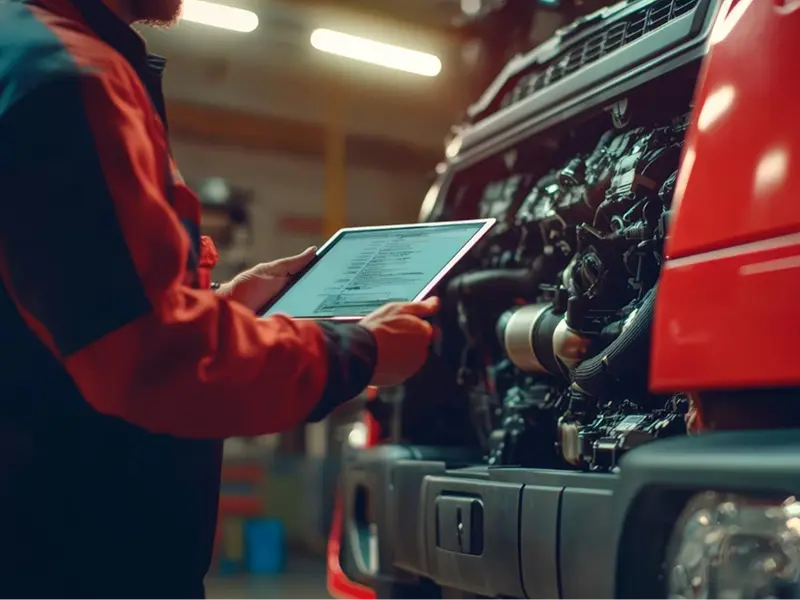
Vehicle Inspection System: Transform Fleet Inspections with Digital Accuracy
Keeping an operational commercial fleet goes beyond having your vehicles on the road. Every vehicle must be safe and compliant to be on the road and able to do their daily tasks. Moreover manual inspections cause delays to the process, incomplete reports and communication gaps between drivers and fleet and maintenance managers. Small defects become expensive repairs and break the vehicle.
Vehicle Inspection System makes the process easy with manual inspections being replaced with quick, accurate digital inspections. Drivers are able to do inspections from their mobile, take inspection photos, submit reports, and start notifications to maintenance all in real time. This gives your business insight on the condition of the vehicles and decreases the amount of reports and administrative work.
Digital Vehicle Inspection not only aids in fleet safety, but also makes regulation compliance easier because inspections are no longer scattered and are kept in organized records along with Driver Vehicle Inspection Reports (DVIRs). Fleet managers can now easily check on inspection status and schedule maintenance to prevent any defects disrupting daily operations.
With today’s modern Vehicle Inspection Software and mobile Vehicle Inspection Apps, you can achieve all of your operational goals including lower downtime and safe fleet management with a completely digital process. This applies to all mobile fleets whether they are logistical, construction, public transportation, utility, or rental.
What Is a Vehicle Inspection System?
Digital Vehicle Inspection Systems is the software that allows organizations to digitally conduct, manage, and monitor vehicle inspections. Furthermore the traditional way of conducting inspections relies on printed checklists and handwritten reports. This system enables inspections to be conducted through a mobile application, and inspection results can be monitored by managers through a cloud platform.
The Vehicle Inspection System enables the standardization of the inspection process by utilizing customizable checklists. Defect recordings can be reported along with photographs and comments through the mobile application. Submitted reports are received by the inspection manager in real-time, and the system allows for the creation of a maintenance task through the system.
The system maintains an electronic record of each inspection, which improves the system’s readiness for an audit, improves compliance with regulations, and provides traceability for every vehicle’s maintenance history.
Vehicle Inspection Systems improve the intercommunication of drivers, maintenance personnel, and vehicle managers. This system reduces the administrative burden, increases the availability of vehicles to the organization, and improves the overall maintenance of vehicles.
How Digital Vehicle Inspection Works
In Digital Vehicle Inspection Systems, a structured workflow is followed to achieve the goals of timely completion of inspections and adherence to periodic reporting.
The Digital Vehicle Inspection System begins at the mobile application. The application, through an interactive checklist, guides the inspector through the inspection of each vehicle component. The inspector can identify mechanical issues, as well as view inspection results for all essential components.
When issues arise, drivers log the problem, take supporting photos, and write descriptive comments in the app. Before submission, drivers verify the accuracy of the inspection with an electronic signature.
After submission, the inspection automatically uploads to the cloud. Fleet managers are immediately alerted of reported issues, and the maintenance team can begin repairs. Additionally, inspections that have been completed are permanently documented in the vehicle’s digital history. This fulfills regulatory needs and helps plan future maintenance.
The system integrated workflow removes the lag time of paper documentation and communication and makes fleet health easy to assess.
Pre-Trip and Post-Trip Vehicle Inspections
In order to keep vehicles safe and compliant, the law mandates regular inspections. A Vehicle Inspection System digitizes both pre- and post- trip inspections to ensure standardized checks are completed for each journey.
Pre-Trip Vehicle Inspection
Drivers complete a digital checklist on their mobile device before a vehicle is allowed to depart the depot. Typical checklist items include the brakes, tires, lights, mirrors, steering, wipers, and horn, among others.
If the vehicle passes the inspection, it may leave the depot. If, however, a defect is found, the system will automatically report the defect and the vehicle will not be allowed to leave.
Post-Trip Vehicle Inspection
Drivers complete a post trip inspection to assess if a vehicle was damaged, worn, or has a new mechanical issue that may have occurred during the trip. This helps ensure repairs are completed before the next trip.
The creation of a DVIR is automatic and includes inspection outcome digital photos and associated time stamps, driver details, and e-signatures. Reports are instantly available to fleet managers to enable faster scheduling of repair tasks.
Benefits of Daily Digital Inspections
With cloud storage, companies have the ability to maintain a historical record of vehicle inspections. Having inspection records improves compliance, and reduces unanticipated vehicle downtime. Availability of vehicles also improves, as does the accountability of the drivers.
Detect Maintenance Issues Before They Become Costly Repairs
Unexpected repairs often begin as small problems that remain unnoticed during routine operations. A Vehicle Inspection System helps businesses identify these issues early, allowing maintenance teams to resolve them before they become expensive failures.
Identify Defects in Real Time
Unanticipated repairs typically start as small problems and are ignored during normal operations. Identification of problems by a Vehicle Inspection System occurs early to allow servicing of the vehicle prior to severe repair issues being incurred.
Automate Maintenance Workflows
In the absence of a paper report or verbal communication, inspection results are immediately available to fleet managers. The results allow managers to determine and prioritize the repairs or servicing and schedule the necessary appointments with the workshop.
Communication between drivers and maintenance improves with reduced delays.
Support Preventive Maintenance
Every vehicle collects a lot of different kinds of data. Fleet managers can find common vehicle defects and utilize trends to perform preventive maintenance. This data is far more useful than mandatory service intervals.
Businesses are able to save money on emergency repairs and maintenance. Vehicles end up lasting longer and downtime is reduced.
Improving Fleet Safety and Regulatory Compliance
Regular inspections and accurate documentation improve fleet safety. Corrective actions are made easier by a Digital Vehicle Inspection platform. This ensures compliance with regulations.
Strengthen Fleet Safety
Completed inspections create a digital record of several factors. These factors include the driver, inspection data, photographs, timestamp, and defect reports.
Fleet managers are alerted of critical issues and can take Unsafe Vehicles out of service to complete the repairs.
Simplify Compliance Management
Digital inspection systems simplify regulations in workforce and transportation safety. Gone are the days of looking through numerous paper files. Digital inspection systems provide quick access to inspection history, maintenance records, and compliance documentation.
Improve Driver Accountability
Electronic inspection forms require drivers to complete every required inspection before submitting the report.
Because every report includes electronic signatures and timestamps, organizations gain greater transparency while encouraging consistent inspection practices across the fleet.
Digital Checklists, Photos, and Inspection Reports
Paper inspection forms often create delays, missing information, and filing challenges. Vehicle Inspection Software replaces these outdated processes with a faster, more reliable digital workflow.
Create Custom Digital Inspection Checklists
Fleet managers can create custom Vehicle Inspection Checklists across all vehicle categories.
This flexibility means that while the inspections are consistent, the vehicle categories can be customized, as required.
Capture Photos and Electronic Evidence
Drivers can take photos and capture evidence of findings during the inspection and can also capture photos for maintenance concerns. Having this evidence helps evaluates the issue better even before the vehicle reaches the workshop.
Electronic signatures certify the driver and that the inspection is completed.
Centralize Inspection Documentation
Digital Inspection Forms are completed and automatically saved in a secure cloud. Inspection Forms are easily accessible by the fleet managers, supervisors, and related maintenance team.
Having a central Inspection Form saves unnecessary printing and improves collaboration and compliance for each inspection.
Fleet Performance Reporting and Inspection Analytics
A Vehicle Inspection System does more than digitize inspections. It also converts inspection data into actionable insights that help businesses improve fleet performance, maintenance planning, and compliance. Instead of reviewing paper records, fleet managers can access real-time dashboards and detailed reports from a centralized platform.
Monitor Inspection Performance
Having Digital Inspection Forms gives managers an overview of the fleets’ health and is also a great tool to monitor inspection activities.
Managers can see all inspections that have been completed, inspections that are overdue, defects, and if the fleet is ready for the next survey.
Analyze Defect Trends
Analysis of inspections show recurring mechanical concerns in the fleet. Consider break wear, tire damage, and battery failure, these may suggest maintenance or operational concerns and warrant further analysis.
The goal of early trend detection is to create proactive maintenance policies, and optimize the total costs of the fleet by extending the useful life of fleet vehicles.
Generate Compliance and Maintenance Reports
Automation has created a new level of ease in the maintenance of fleet compliance. It has centralized the history of inspections, Driver Vehicle Inspection Reports (DVIRs), maintenance, and corrective actions.
The reports created assist the maintenance team in prioritizing the repair work required due to inspection findings, and also serve internal audits and regulatory inspections.
The inspection analytics serve to enhance the quality of the decisions made vis-a-vis fleet optimization, and the vehicle inspection systems support the perpetual enhancement of the operations.
Industries That Benefit from Vehicle Inspection Systems
The majority of enterprises that operate commercial fleet vehicles stand to gain from the Digital Vehicle Inspection systems. The automation of inspections using digital systems advances safety, decreases overhead administration, and enhances fleet operational efficiency.
Logistics and Transportation
Fleet operational reliability is the foundation in fulfilling customer delivery. Digital inspections conducted of fleet vehicles significantly decreases breakdowns in route, and delivery reliability is not impacted.
Construction and Heavy Equipment
Monitoring the safety and compliance of available fleet vehicles and the heavy equipment used in fulfilling construction contracts is a legal requirement for construction businesses. Regular digital inspections safeguard legal operating compliance and mitigate reliability concerns of safety.
Government and Public Sector Fleets
Fleet vehicles used in the delivery of services to the public, and especially those used in emergency situations, have a critical need for detailed inspection records due to both accountability and compliance with regulations.
Digital systems used for inspections enhance presentation of the status of Fleet Compliance and Inspection records, and also simplify compliance documentation.
Passenger Transport and Rental Companies
Passenger transport companies have a responsibility to protect their passenger’s safety. Digital inspections make the readiness of a vehicle for a trip easily accessible while creating a precise maintenance history for every asset.
Utilities, Oil & Gas, and Field Service Operations
Utility and field service companies have vehicles that operate in multiple locations. Use of a digital inspection solution allows an employee to complete an inspection from any location and upload it instantaneously to the main office.
Digital inspections can help any company in any industry increase the safety of their fleet, decrease operational downtime, and increase efficiency.
How to Choose the Best Vehicle Inspection System
Choosing a Vehicle Inspection System requires more than just a basic comparison of features. The ideal solution is one that integrates with the organization’s core business processes and streamlines regulatory compliance in addition to giving the organization the ability to adjust to fleet growth.
Mobile Accessibility
Digital inspections must be accessible on a mobile device and employees should have the ability to complete the inspection regardless of their location. Having a mobile solution that is easy to use increases the likelihood of adoption and reduces the time required to train employees.
Customizable Inspection Forms
Digital inspections must be customizable to the fleet’s specific requirements. The best systems will provide customizable digital checklists for specific vehicle types, equipment types, and operational requirements.
Cloud-Based Platform
Use of a cloud system will allow maintenance histories and digital inspections to be stored and retrieved from any location. Having a cloud system will ease the data accessibility issues that may be present with a traditional server system.
Inspectors, fleet managers, and maintenance personnel will have improved collaboration due to having access the same data.
Reporting and Analytics
High quality inspection systems will allow managers to analyze maintenance history by viewing inspection trends and ensuring issues reported have received the appropriate maintenance.
Integration with Fleet Management Systems
To enhance fleet safety, a contemporary inspection solution must integrate with existing fleet technologies, such as Fleet Management Systems, GPS Tracking Systems, Vehicle Service History, Work Order Management, Driver Apps, and Telematics & IoT Platforms. By connecting these solutions, businesses can streamline maintenance workflows, improve data accuracy, automate inspections, and gain complete visibility into fleet performance from a single platform.
Reliable Customer Support
Select the solution provider that performs the above services to ensure your valuable investment.
Future Trends in Digital Vehicle Inspection
With the continued advancement of smart technologies to improve safety and automation, digital vehicle fleet inspections are evolving for greater operational efficiency. The upcoming generation of Digital Vehicle Inspection solutions will provide even deeper insights into the health of vehicles.
AI-Powered Inspection Assistance
The use of Inspection Artificial Intelligence is allowing corporations to recognize patterns in inspections, identify the root cause of recurring defects, and prescribe the appropriate maintenance.
This will empower the maintenance staff to execute actions with better timeliness and clarity.
Image Recognition Technology
The advanced Photo-Inspection-Image-Recognition Technology can accurately report the presence of vehicle damage and significantly reduce the time required to assess an inspection.
Predictive Maintenance
The combination of inspections, telematics, and history-based maintenance will render the ability to anticipate failure of vehicle components.
Predictive maintenance lengthens the life of vehicles and decreases costs.
IoT-Connected Fleet Inspections
IoT sensors are able to provide continual insight regarding the health of a vehicle with regard to tire pressure, engine performance, battery health, fuel usage, and other critical factors.
Smarter Compliance and Paperless Operations
We anticipate that future inspection systems will automate compliance reporting, approvals, and management of records.
As organizations become fully paperless, we see that digital inspections will be increasingly integrated into Fleet Safety Management, becoming more efficient and supporting safe and sustainable operations.
Conclusion
A modern Vehicle Inspection System from En Route Technologies helps businesses replace manual inspections with a smarter, fully digital workflow. By enabling customizable digital checklists, photo-based defect reporting, automated alerts, and centralized inspection records, En Route helps fleets maintain compliance while keeping vehicles road-ready.
Whether managing logistics fleets, government vehicles, construction equipment, or commercial transportation operations, businesses can gain complete visibility into vehicle conditions and maintenance requirements. The platform connects inspections with fleet management, workshop workflows, GPS tracking, and telematics to create a unified ecosystem for better decision-making and improved operational control.
With En Route’s intelligent approach, organizations can identify issues earlier, reduce unexpected breakdowns, streamline maintenance processes, and improve overall fleet efficiency. As vehicle operations become more complex, investing in an advanced Vehicle Inspection Software solution is a strategic step toward safer assets, lower costs, stronger compliance, and long-term fleet performance.
FAQ's
Digital Vehicle Inspection enables drivers to perform safety inspections via an app, take pictures, file a report, and transmit inspection results to a fleet manager instantly.
Digital Vehicle Inspection enables drivers to perform safety inspections via an app, take pictures, file a report, and transmit inspection results to a fleet manager instantly.
Vehicle Inspection Software promotes safety, lessens the burden of paperwork, provides support for proactive maintenance, simplifies regulatory compliance, and reduces the downtime of vehicles.
Absolutely. Digital inspections provide a faster, more precise, and more accessible inspection solution, when compared to a paper checklist. Digital inspections also provide a cloud-based inspection solution.
A Vehicle Inspection System enhances fleet safety by promoting the early identification of defects, supporting the timely repair of defects, increasing driver accountability, and ensuring inspection records are completed and maintained.
Certainly, a Vehicle Inspection System is appropriate for all sizes and types of commercial fleets, including logistics, transportation, construction, government, rental, and utility fleets.