
Fleet Management Guide
Quick answer: To choose a fleet management system for a logistics company in the UAE, check seven things: regulatory compliance (RTA, Asateel, Shahin SIRA SecurePath), fit with your logistics operation, hardware built for Gulf heat, local support and platform uptime, fuel and idle monitoring, AI driver-safety tools, and route optimization with geofencing. En Route supplies hardware, installation, software and paperwork as one accountable vendor across Dubai, Abu Dhabi and Sharjah.
Table of contents
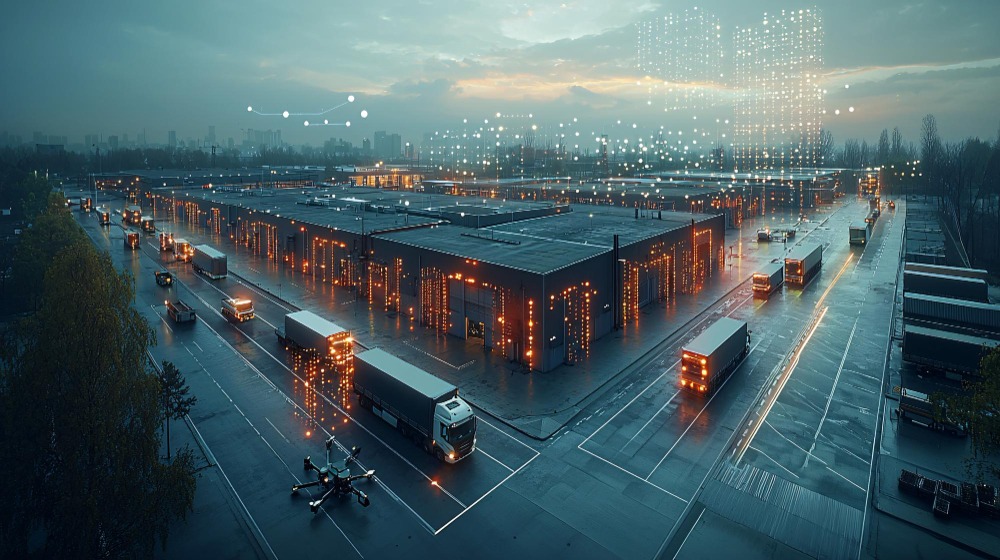
A good GPS tracking and fleet management system is more than a device on the dashboard. It combines local, reliable hardware, local installation, fleet software and the regulatory paperwork, such as SecurePath and Asateel, that lets your trucks operate legally. Too many logistics companies buy these pieces from different suppliers and end up chasing each one when something fails. En Route handles all of it as one accountable vendor across the UAE, including Dubai, Abu Dhabi and Sharjah, through its fleet management system and GPS vehicle tracking system.
When hardware, installation, software and paperwork come from separate companies, every problem starts with a blame game. A single vendor owns the whole chain: if a device fails an inspection or a registration lapses, one team fixes it. That is especially valuable for logistics fleets that cross emirate borders daily.
Use this table to compare any fleet management provider. Each criterion is explained in the sections that follow.
| Criterion | What Good Looks Like | Question to Ask the Vendor |
|---|---|---|
| 1. Compliance | Hardware, installation and paperwork handled for every emirate you serve | Which approvals do you manage for Dubai, Abu Dhabi and Sharjah? |
| 2. Logistics fit | Modules matched to last-mile, long-haul, e-commerce and cold-chain work | Can you show workflows for my delivery model? |
| 3. Climate resilience | Heat-rated devices, backup battery, tamper alerts | What is the rated operating temperature and battery backup time? |
| 4. Support and stability | Local installation, 24/7 bilingual support, defined uptime guarantee | What exactly does your uptime guarantee cover? |
| 5. Fuel and idle control | Fuel level, theft alerts, idle reports | Do my vehicles need external fuel sensors? |
| 6. AI driver safety | Driver scoring, driver-facing cameras, evidence video | How are drivers coached, and how is consent handled? |
| 7. Routing and geofencing | Multi-stop, traffic-aware routing and zone alerts | Does routing account for truck movement restrictions? |
Choose a fleet management provider that can show current approvals and manage the paperwork for every emirate you operate in, including RTA requirements, SIRA’s Shahin and SecurePath in Dubai and Sharjah, and the Integrated Transport Centre’s Asateel platform in Abu Dhabi. Compliance is the one criterion where a wrong choice can stop trucks from operating.
| Authority or Scheme | Where | What It Covers | Why It Matters to Logistics |
|---|---|---|---|
| RTA (Roads and Transport Authority) | Dubai | Vehicle registration and inspection, truck movement rules and permits | Trucks moving in banned times need a permit; violations disrupt deliveries |
| SIRA: Shahin and SecurePath | Dubai; SecurePath also in Sharjah | Approved GPS tracking and registration for regulated vehicle categories, including goods vehicles | Non-approved trackers can block registration or renewal |
| ITC: Asateel | Abu Dhabi | Freight vehicle permits, with each vehicle fitted with a tracking device linked to the platform | Permits can be suspended or cancelled if requirements are not met |
Requirements depend on the vehicle category, the activity and the emirate, so always confirm which rules apply to each truck. En Route free GPS compliance checker is a quick way to start.
Dubai’s RTA and Dubai Police began applying truck movement restrictions across the emirate on 1 October 2026, in line with peak-hour traffic controls, with Emirates Road exempt. Timings vary by corridor, area and congestion level. The RTA says Dubai sees about 400,000 truck journeys every day, and companies that must move trucks in restricted hours in essential cases need to apply for its Mobility Permit for Heavy Vehicles in Banned Times and Roads. A system that shows live positions and planned routes helps dispatchers keep trucks on permitted roads or at designated rest stops.
Tracking approval is only part of the picture. En Routes fleet safety and compliance tools store each vehicle’s Mulkiya, driver licence and inspection dates and send alerts before renewals fall due, so an expired document never takes a truck off the road unexpectedly.
Keep in mind
Rules and requirements change. Treat this guide as general information and confirm current obligations with the relevant authority or your vendor before installation.
A fleet management system is the digital control layer for a logistics operation: it tracks vehicles live, enforces routes and zones, monitors drivers and fuel, and feeds data to dispatch, billing and customer-service teams. It sits between your vehicles on the road and the business systems that plan, invoice and report.
At its core, a system collects data from trackers, sensors and cameras, shows it on a live map and turns it into alerts and reports. En Routes platform combines real-time GPS tracking system with updates every 10 seconds, maintenance scheduling, fuel monitoring, driver scoring and compliance reporting on one dashboard, with iOS and Android apps for drivers and managers.
| Logistics Segment | Typical Need | Capabilities to Look For |
|---|---|---|
| Last-mile delivery | On-time drops, customer updates | Dynamic routing, ETA notifications, digital proof of delivery |
| Long-haul and cross-emirate | Driver fatigue, fuel and compliance control | Fatigue monitoring, rest-break tracking, fuel analytics |
| E-commerce logistics | Fast fulfillment at scale | API integration, automated dispatch, multi-pickup optimization |
| Cold chain and reefer | Protecting temperature-sensitive cargo | Temperature and door sensors, deviation alerts, compliance reports |
| Express courier | Same-day, multi-drop delivery | Multi-drop optimization, live tracking links, KPI dashboards |
| Warehouse distribution | Loading-bay efficiency | Warehouse geofences, bay time tracking, depot return alerts |
En Routes transport and logistics fleet solutions and logistics tracking cover each of these segments. For temperature-controlled loads, see cold chain tracking.
Data is most valuable when it flows into the tools your team already uses. Ask whether the platform offers a REST API and real-time webhooks to connect with ERP, transport management (TMS) and warehouse management (WMS) systems. The UAE’s e-commerce market reached AED 42.2 billion in 2025, up from AED 17.6 billion in 2020, a compound annual growth rate of 19%, so integration capacity matters as volumes grow.
Choose hardware that is rated for extreme heat, has a backup battery and tamper alerts, and connects reliably across all emirates, then pair it with software features that account for the Gulf climate, such as temperature monitoring and tyre alerts also give telemactics soultion. A tracker that fails in July is worse than no tracker, because it leaves a gap in your records.
Summer temperatures in the UAE touch almost 50°C, according to Khaleej Times, and a truck cabin parked in direct sun gets hotter still. Heat shortens battery life, stresses electronics and can cause devices to reboot or drop data. Hardware chosen only on price often fails first.
Software should help you work with the climate, not just survive it. For cold-chain fleets, temperature monitoring with deviation alerts and door sensors protects cargo in transit. For all fleets, tire management and TPMS matters: Ministry of Interior data cited by Gulf News lists tyre problems and poor maintenance among the factors behind heavy-truck crashes, and hot roads add stress.
Scheduling matters too. The UAE’s midday break bans outdoor work under direct sun from 12:30 pm to 3 pm between 15 June and 15 September. Logistics companies with loading and unloading crews can use the midday break planner to adjust shifts and keep deliveries on schedule.
Pick a vendor with local installation, 24/7 support in Arabic and English, a clearly defined uptime guarantee and transparent pricing. When a truck is off the road or a device stops reporting, response time matters more than any feature list.
A local vendor can fit devices the same day, replace faulty hardware quickly and understand local rules. En Routes offers professional installation across all seven emirates, with same-day installation available in Dubai and Abu Dhabi, and support around the clock in Arabic and English. See its coverage in Dubai, Abu Dhabi and Sharjah.
An uptime guarantee sounds precise but hides detail. A 99.9% guarantee allows about 8.8 hours of downtime a year, or roughly 43 minutes a month. At 99%, the allowance rises to about 87.6 hours a year, more than three and a half days. Ask how uptime is measured, whether planned for fleet maintenance is included and what happens if the vendor misses its target.
Volume discounts apply: 5% for 10 or more vehicles, 10% for 25 or more and 15% for 50 or more, with custom pricing from 100 vehicles. Some vehicles may need external fuel sensors, which are charged separately.
Look for a system that measures fuel level, flags refuelling and sudden drops, reports consumption per vehicle and per route, and tracks idle time by driver and site. Fuel is usually a logistics fleet’s largest variable cost, and idling is among the easiest losses to remove.
The U.S. Department of Energy says idling a heavy-duty truck burns about 0.8 gallons of fuel per hour, roughly 3 liters. Consider an illustrative fleet of 30 heavy trucks that each idle for one hour a day. That is about 90 liters a day, or around 27,000 liters over 300 working days. Halving idle time would save about 13,500 liters a year. Actual figures depend on vehicle type, load and climate, but the pattern is clear: small daily idling adds up.
Some vehicles report fuel through the engine network, while others need external fuel sensors. Ask which applies to your fleet before you sign, so there are no surprise costs. En Routes fuel tracking system and fleet fuel management tools cover both approaches, and the fuel theft detector and fleet savings calculator help you estimate potential savings. En Routes states that real-time fuel monitoring and theft alerts can reduce fuel costs by up to 35%, though results depend on your starting point.
Use fuel and idle reports to find loading bays where trucks wait too long, drivers who idle most and routes that burn more than expected. Pair them with the cost per km calculator to see which contracts are profitable.
Choose a system that scores driver behavior from telematics data and adds AI-powered cameras to detect distraction and fatigue, so that managers can coach drivers before incidents happen. Safety tools protect people and also reduce repairs, claims and downtime.
En Routes driver behavior monitoring turns these events into scorecards, and the free driver scorecard generator shows how scoring can work for your team.
Data tells you that a harsh-braking event happened; video shows why. En Route installs DSM (Driver State Monitoring) cameras, HD dash cameras, dual-lens systems with night vision and cloud storage through its vehicle camera installation service and fleet dash cameras. Evidence video helps resolve disputes and supports fair coaching.
A study by the Virginia Tech Transportation Institute for the U.S. Federal Motor Carrier Safety Administration followed drivers for 17 weeks. One carrier cut recorded safety-related events per mile by 37% and the other by 52.2% once managers could review events and coach drivers. The U.S. carriers in the study differ from UAE fleets, but the lesson is consistent: monitoring works best when paired with coaching. Safe driving also saves fuel: according to FuelEconomy.gov, aggressive driving can lower mileage by roughly 15% to 30% at highway speeds.
The UAE recorded 6,014 major road accidents in 2025, and sudden swerving, tailgating and distraction together accounted for more than a third of them, according to Ministry of Interior figures reported by Khaleej Times. Heavy trucks were involved in 325 accidents in 2025 and 1,136 between 2022 and 2025, according to Gulf News. These are the behaviors that driver scoring and AI cameras are designed to catch.
Explain to drivers what is recorded and why, review events quickly and recognize good driving, not just mistakes. Because cameras and location tracking collect personal data, write a clear policy and obtain consent in line with the UAE Personal Data Protection Law. Take legal advice for your own situation.
Smart route optimization plans multi-stop routes using traffic and constraints, then compares planned and actual routes, while strategic geofencing creates virtual zones that trigger alerts when vehicles enter, leave or loiter. Together they reduce wasted kilometers and keep trucks within the rules.
Ask whether routing considers Dubai’s truck movement restrictions, and toll costs too. En Routes free Salik and Darb toll calculator helps you include road charges in route decisions.
En Routes geofencing and alerts support unlimited virtual boundaries with instant entry, exit and unauthorized-movement notifications.
Route optimization pays off only if you check results. Compare planned and actual routes, stops per hour and on-time rate each week. Persistent gaps point to unrealistic time windows, poor stop sequencing or drivers who need coaching. See how the pieces work together inEn Routes fleet tracking systems.
Check seven things: regulatory compliance for each emirate (RTA, Asateel and Shahin SIRA SecurePath), fit with your logistics segments, hardware built for Gulf heat, local support and a clear uptime guarantee, fuel and idle monitoring, AI-based driver safety tools, and route optimization with geofencing. Prefer one accountable vendor that supplies hardware, installation, software and paperwork, such as En Routes.
It depends on the emirate, the vehicle category and the activity. Abu Dhabi’s Integrated Transport Centre requires freight vehicles to be fitted with a tracking device linked to its Asateel platform, and Dubai and Sharjah use SIRA’s SecurePath scheme for regulated vehicle categories. Confirm your obligations with the relevant authority or your vendor.
Look for a datasheet-rated operating temperature range suited to extreme heat, a backup battery, tamper alerts, dust and moisture protection and reliable connectivity across emirates. Skilled installation also matters, because poorly fitted devices fail early.
It allows about 8.8 hours of downtime per year, or roughly 43 minutes per month. Ask how uptime is measured, whether planned maintenance counts and what remedies apply if the target is missed.
Yes.En Routes supplies hardware, installation, fleet software and regulatory paperwork as one accountable vendor across Dubai, Abu Dhabi, Sharjah and the other emirates, so cross-emirate fleets deal with a single team.
Yes, if the platform offers an API and webhooks.En Routes provides REST API integration and real-time webhooks for ERP, TMS and WMS systems, so tracking and delivery data can flow into planning, billing and customer-service tools.
Choosing a fleet management system for a UAE logistics company comes down to seven checks: compliance, fit with your operation, climate-ready hardware, local support and platform stability, fuel and idle control, AI-powered driver safety, and smart routing with geofencing. A system that scores well on all seven keeps trucks legal, drivers safe and costs visible.
The simplest way to get there is a single accountable vendor. En Route supplies local, reliable hardware, local installation, fleet software and regulatory paperwork such as SecurePath and Asateel across Dubai, Abu Dhabi, Sharjah and the rest of the UAE. Explore the full range of free fleet tools to estimate savings before you decide.
Tell En Route Technologies about your vehicles and routes and get a quote covering hardware, installation, software and compliance paperwork.