
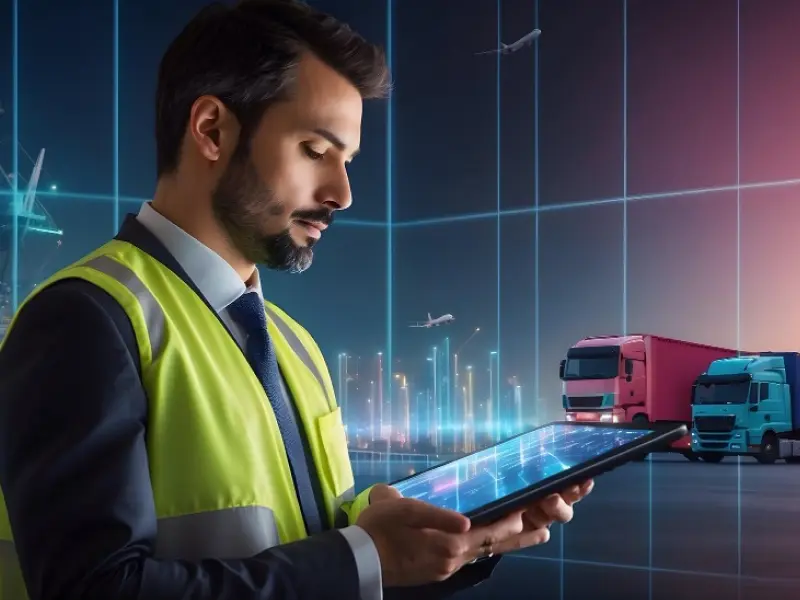
Fleet Management Devices: Smart Hardware for Connected Fleet Operations
Effective fleet management in today’s world requires much more than just knowing where vehicles in your fleet are located. Everyone knows fleets need real time data on their vehicles, drivers, fuel consumption, vehicle health, routes and the location of valuable assets. What’s the solution? This is where gps tracker devices come in. Top fleet management devices are designed to help businesses collect and connect operational data.
Fleet management software includes everything latest. From fleet tracking devices and GPS trackers to telematics units, fuel sensors, driver monitoring devices and even AI dash cams. connected hardware can help businesses improve visibility, safety, efficiency and control over their fleet.
Logistics companies, transport providers, construction, delivery, government, rental and even oil and gas operations can benefit from the right combination of Fleet Telematics Devices. These can help transform data on vehicles and assets into useful actionable operational information.
What Are Fleet Management Devices?
Fleet management devices are collected hardware systems that capture and transmit information to and from vehicles and equipment. They may also collect data from drivers.
A vehicle GPS tracker would track location and movement. A telematics device, for example, may capture location, movement, engine data, driver behavior, fuel consumption and other diagnostic information.
Integrating devices with a fleet management system allows businesses to manage multiple types of fleet data from a single, integrated system.
How Do Fleet Management Devices Work?
A typical connected fleet setup follows this process:
Vehicle or Asset → Connected Device → GPS/Sensor/Vehicle Data → Network → Cloud Platform → Fleet Dashboard
A connected device collects data from vehicle systems, sensors and/or cameras. This data is transmitted to the cloud through cellular networks (or other connectivity).
After processing the data, the cloud provides a fleet dashboard to the managers. Real-time dashboards offer tracking, geofencing and other alerts and reports. Customer analysis and operational dashboards are used to analyze business operations.
A GPS tracking device combines diagnostic and location data, while a device connected to the on-board diagnostics (OBD) or the CAN bus integrations can provide diagnostics data. An AI-based dashcam combines the data from a video with additional data to help understand risky driving behaviors.
En Route Technologies offers a digital ecosystem comprising fleet management, GPS, vehicle and other IoT technologies within a single connected system.
Types of Fleet Management Devices
GPS Tracking Devices
GPS devices provide location, movements, trip history, routing and geofencing. They are commonly used in logistics, transportation, delivery, rental and corporate fleets.
Fleet Telematics Devices
Fleet Telematics Device combines location data with operational and vehicle data. It is able to support driver behavior monitoring, vehicle diagnostics, fuel data and other fleet data with additional hardware.
OBD and Diagnostic Devices
An OBD device communicates with the diagnostics port of a compatible vehicle to provide information about the vehicle. Some advanced systems connect to the vehicle’s CAN bus system for comprehensive vehicle diagnostics and operational data.
En Route supports OBD-II and CAN bus integration in its compatible telematics hardware.
Fuel Monitoring Sensors
Fuel sensors help businesses monitor fuel levels and consumption patterns. This information can help identify unusual consumption, potential fuel theft, and inefficient vehicle operation.
Driver Monitoring Devices
Driver monitoring technology can support driver identification, behavior analysis, and accountability. Data such as speeding, harsh braking, acceleration, and idling can help fleet managers identify areas for driver coaching.
Fleet Dash Cams and AI Dash Cams
Dash cams capture road events and provide video evidence during incidents. AI Dash Cams can go further by identifying certain risky behaviors in real time.
En Route’s AI dashcam solution can detect events such as smartphone use, fatigue, and harsh braking and provide in-cab alerts. It also combines video with telematics information for incident analysis and driver coaching.
Environmental and IoT Sensors
Specialized fleets may require sensors for temperature, tire pressure, cargo conditions, engine parameters, or other operational measurements. These Fleet IoT Devices can extend monitoring beyond vehicle location.
Key Features of Modern Fleet Management Devices
Modern Fleet Management Hardware can support:
- Real-time GPS tracking
- Live vehicle location
- Trip history
- Geofencing
- Route monitoring
- Vehicle diagnostics
- Fuel monitoring
- Driver monitoring
- Safety alerts
- Sensor integration
- Mobile connectivity
- Reporting and analytics
The exact capabilities depend on the device, vehicle, sensors, and connected software platform.
GPS, Telematics, and Sensor Devices for Fleet Operations
GPS tracking devices allow you to track your vehicle’s location, its movements, the routes it has taken, and even the history of trips. Telematics combine this data with vehicle and operational information, such as driver behavior, fuel usage, and diagnostics.
Other connected devices go beyond fleet tracking. Fuel sensors can help detect unusual consumption. OBD and CAN buses integrations offer diagnostic information. Moreover AI dash cameras can improve driver safety by detecting risky driving behaviors and providing video evidence.
These devices can be integrated into a Fleet Management System to provide businesses with a centralized platform for monitoring vehicles, drivers and fuel. Contact with En Route Technologies integrates GPS, IoT and fleet management technologies with telematics to give a connected view on fleet operations.
How to Choose the Right Fleet Management Devices
The right Vehicle Tracking Devices depend on your fleet and operational requirements. Consider:
- Fleet size and vehicle types
- Required GPS and telematics capabilities
- OBD or CAN bus compatibility
- Required sensors
- Installation and power requirements
- Network connectivity
- Software compatibility
- Reporting requirements
- Scalability
- Integration with existing systems
Businesses should also consider whether they need basic location tracking or a complete telematics solution covering vehicles, drivers, fuel, maintenance, and assets.
Fleet Management Devices and Software Integration
The data gathered in one device becomes more useful in a Fleet Management System as it becomes integrated with other devices.
An integrated system can manage GPS, fuel, driver, maintenance, and asset information as compared to managing the above information in a fragmented manner.
En Route Technologies has a hardware-agnostic policy, which enables their platform to integrate with GPS devices and other IoT sensors, made by different vendors. Their open API architecture further allows them to integrate with different business systems.
This policy means that systems can be scaled and integrated without replacing existing devices.
Why Businesses Choose En Route Technologies
En Route Technologies provides more than individual tracking hardware. They provide a comprehensive solution that includes GPS tracking software, integration of fleet telematics, IoT dashcams, vehicle monitoring, fuel management, and fleet management software.
For more than 20 years, En Route Technologies has been supporting enterprise customers in the GCC with their fleet management operations. Designed to be used with vehicles, drivers, fuel, and assets, their solution integrates different technologies to be used in a single platform.
Key capabilities include:
- GPS and telematics integration
- Real-time fleet monitoring
- Vehicle and asset tracking
- CAN bus and OBD integration
- Fuel monitoring
- AI-powered dashcam solutions
- Driver behavior monitoring
- Fleet reporting and analytics
- Hardware-agnostic IoT integration
- Fleet management platform integration
This makes En Route suitable for businesses that need a scalable fleet technology ecosystem rather than a standalone GPS device.
Conclusion
Fleet management devices integrate vehicles, drivers, and assets with the data needed to manage modern fleet operations. However GPS trackers provide visibility to locations, telematics devices collect vehicle data. Moreover, specific data sensors monitor certain conditions, and dash cams use AI to help drivers and analyze incidents on the road. As we know When integrated with a fleet management system, these devices help with advanced features.
The best solution will depend on the size of the fleet, type of vehicles, operational needs, connectivity, sensors, and integration of software. En Route Technologies’ combination of GPS, telematics, AI dash cams, as well as internet of things (IoT) and fleet management makes it a good option for businesses that need more control and visibility over their fleet.
FAQ's
Fleet management devices are connected tools. They take in signals from a vehicle, a driver, an asset, or a sensor. After that, the devices pass the info to fleet software.
Most fleets use GPS trackers and telematics units. Some teams also choose OBD devices and CAN bus devices. Fuel sensors show up in many setups too. Driver monitoring systems are used as well. Dash cams are also common. Some fleets add AI dash cams. Asset trackers and other IoT sensors are used in many cases.
They read data from GPS, from vehicle systems, and from other linked sensors. Then they send the data through a network. The fleet software receives it. The software helps with viewing and checking what is happening.
Yes. GPS based tools can show where a vehicle is now. They can also keep earlier routes. Trip details may be saved too. Geofencing alerts can be sent when a vehicle crosses into or out of a defined area.
Yes. Fleet devices monitor fuel consumption perfectly. Moreover, compatible fuel sensors and telematics devices can monitor fuel levels and consumption patterns. This data can help identify unusual fuel usage and improve fleet efficiency.
Dash cams provide video evidence of road events. However AI dash cams can also detect certain risky driving behaviors and provide real-time driver alerts.
Yes. As we know modern devices can send GPS, vehicle, sensor, and camera data to fleet management platforms. Moreover hardware-agnostic systems can also support devices from multiple manufacturers.