
Fleet Management KPIs: The Metrics That Actually Tell You Something
Running a fleet is a lot more than knowing where your trucks are at any given moment. Somebody has to keep an eye on fuel spend, maintenance, driver behavior, safety, and whether the whole operation is actually running efficiently. Without numbers to back that up, spotting what’s actually going wrong and proving what’s going right gets a lot harder than it should be.
That’s the whole point of Fleet Management KPIs. They turn “I think something’s off” into “here’s exactly what’s off, and here’s the number to prove it.” Track the right ones and you can cut operating costs, get more out of every vehicle, and stop making fleet decisions on gut feel alone.
Most businesses lean on a Fleet Management System to pull this data straight from connected vehicles in real time. Combine that with decent Fleet Analytics, and you’re making decisions before problems escalate not after a vehicle’s already broken down on the side of the road. Whether you’re running logistics trucks, construction equipment, government vehicles, or a field service fleet, the KPIs matter regardless of industry.
This guide walks through the Most Important Fleet Management KPIs what they actually measure, why they matter, and how tracking them changes the way a fleet runs.
What Are Fleet Management KPIs, Exactly?
Put simply, they’re the measurable indicators that tell you whether your fleet is actually performing well or just seems like it is. Utilization, fuel efficiency, maintenance costs, driver behavior, overall productivity KPIs cover all of it.
Instead of relying on assumptions or whoever complains loudest, businesses use these numbers to see real-time performance and flag exactly where things need attention. A modern Fleet Management System collects this data automatically and lays it out on a dashboard, so nobody’s manually compiling spreadsheets at the end of the month.
Get the analytics right, and you gain better visibility, fewer wasted expenses, stronger customer service, and a fleet that’s genuinely more efficient not just one that looks fine on paper.
Why Bother Tracking Fleet Management KPIs at All?
Running a fleet without KPIs is a bit like driving without a dashboard. You might know roughly where your vehicles are, but you’ve got no real read on whether things are actually improving.
Tracking the right KPIs lets businesses:
- Cut fuel and maintenance costs
- Get more out of every vehicle
- Hold drivers accountable
- Improve fleet safety
- Sharpen delivery performance
- Stay ahead of compliance requirements
- Make decisions based on data instead of hunches
Pair KPI tracking with a Fleet Tracking System and you get complete visibility into how vehicles are actually operating. Real-time data means managers catch trends as they form, not months later when the pattern’s already cost real money.
The Most Important Fleet Management KPIs to Track
Fuel Consumption
Fuel eats up a huge chunk of any fleet’s operating budget, which makes this one of the easiest KPIs to justify tracking closely. A Fuel Monitoring System breaks down usage, efficiency, idle time, and anything that looks abnormal including the kind of pattern that suggests fuel theft, not just inefficiency.
Metrics worth watching:
- Fuel consumption per vehicle
- Average fuel efficiency
- Fuel cost per kilometer
- Fuel theft alerts
- Excessive idling time
Tighten up fuel efficiency and you’re not just saving money you’re cutting emissions too, which matters more to customers and regulators every year.
Vehicle Utilization Rate
This one tells you whether your assets are actually earning their keep. A vehicle that barely leaves the yard is quietly costing you money, while one that’s overworked wears out faster and needs more repairs than it should.
Worth reviewing:
- Vehicle availability
- Daily usage hours
- Distance traveled
- Asset productivity
- Overall fleet capacity
A GPS Tracking System tracks this in real time, and an Asset Management System helps redistribute equipment where it’s actually needed instead of leaving it parked somewhere convenient. Get utilization right and you delay unnecessary vehicle purchases while squeezing more value out of what you already own.
Fleet Downtime
Every hour a vehicle sits unavailable is an hour it’s not making you money. The trick is telling planned maintenance apart from the unplanned kind, because they mean very different things for your operation.
Downtime metrics worth tracking:
- Scheduled maintenance downtime
- Unplanned repairs
- Average repair time
- Vehicle availability rate
- Breakdown frequency
A Fleet Maintenance System paired with Vehicle Service Management Software cuts downtime by getting ahead of maintenance instead of reacting to it. Keep detailed service records too recurring issues have a way of showing up in the data long before they turn into an expensive failure.
Preventive Maintenance Compliance
Rather than waiting for a part to fail, preventive maintenance means servicing based on mileage, engine hours, or manufacturer schedules. Businesses that actually stick to this see fewer surprise breakdowns, longer-lasting vehicles, lower repair bills, better availability, and fewer compliance headaches.
Work Order Management and digital maintenance workflows help schedule the work and track completion rates without relying on someone’s memory. Vehicle Inspection routines catch smaller issues early the kind that are cheap to fix now and expensive to ignore.
Driver Performance Score
How your drivers actually drive affects fuel use, maintenance, safety, and pretty much everything else on this list. That’s why it’s one of the Most Important Fleet Management KPIs, full stop.
A Driver Management System pulls in real telematics data instead of relying on someone occasionally noticing bad habits. Metrics worth watching:
- Speeding incidents
- Harsh braking
- Rapid acceleration
- Sharp cornering
- Seat belt compliance
- Engine idling
- Overall driver scorecards
A Driver App keeps communication tight routes, trip updates, and safety reminders reach drivers directly instead of getting lost in a memo nobody read. Over time, consistent coaching brings accidents down, cuts maintenance costs, and generally makes the whole fleet run smoother.
Why it matters: better road safety, lower fuel bills, longer vehicle life, fewer insurance claims, and drivers who actually take ownership of how they operate.
Fleet Safety
Safety isn’t optional, and the numbers here catch risk before it becomes an actual incident. Worth tracking:
- Number of accidents
- Near-miss incidents
- Safety violations
- Driver risk scores
- Vehicle inspection completion rate
- Incident response time
Vehicle Inspection before and after every trip catches mechanical problems early. A Telematics & IoT Platform layers on driver behavior, vehicle diagnostics, and safety alerts in real time, and ADAS & AI Dashcam Solutions add another layer collision warnings, unsafe-driving detection, and video evidence that’s genuinely useful for both accident investigations and driver coaching.
The payoff: fewer accidents, sharper driver awareness, better compliance, lower insurance costs, and a fleet that’s just more dependable day to day.
On-Time Delivery Rate
Customers notice when deliveries don’t show up on time, plain and simple. This KPI measures how consistently vehicles actually hit their scheduled windows.
Worth watching: delivery success rate, average delivery time, customer satisfaction, route delays, and dispatch performance. A Fleet Tracking System gives dispatchers real-time visibility so they can react to traffic or delays before a customer even notices there’s a problem. Add a GPS Fleet Tracker and you’ve got accurate ETAs too, which matters more to customers than almost anything else.
Results: happier customers, better delivery planning, fewer delays, tighter operations, and a reputation that actually holds up.
Route Efficiency
This is about how well vehicles get from A to B minimal fuel, minimal wasted time, minimal unnecessary mileage. Worth measuring: planned vs. actual distance, idle time, traffic delays, route deviations, and average trip duration.
A GPS Tracking System adjusts routes based on live traffic instead of a route planned once and never revisited. A Vehicle Tracking System adds trip history on top, so managers can compare what was planned against what actually happened which is usually where the recurring delays hide.
Payoff: less time on the road, lower fuel costs, better productivity, sharper utilization, and faster service overall.
How GPS Tracking Sharpens Every KPI on This List
GPS is arguably the single most useful tool for actually measuring fleet performance, not just guessing at it. A modern GPS Tracking System captures location, speed, route history, idle time, and driver activity in real time all of which feeds directly into the KPIs above.
Businesses running Fleet Management Software combine GPS data with maintenance, fuel, and driver performance information to get one complete picture instead of five disconnected reports. That typically means better real-time visibility, sharper utilization numbers, faster dispatching, less unauthorized vehicle use, more accurate trip reporting, and route planning that actually improves over time.
Turning Data Into Something Useful: Fleet Reporting Dashboards
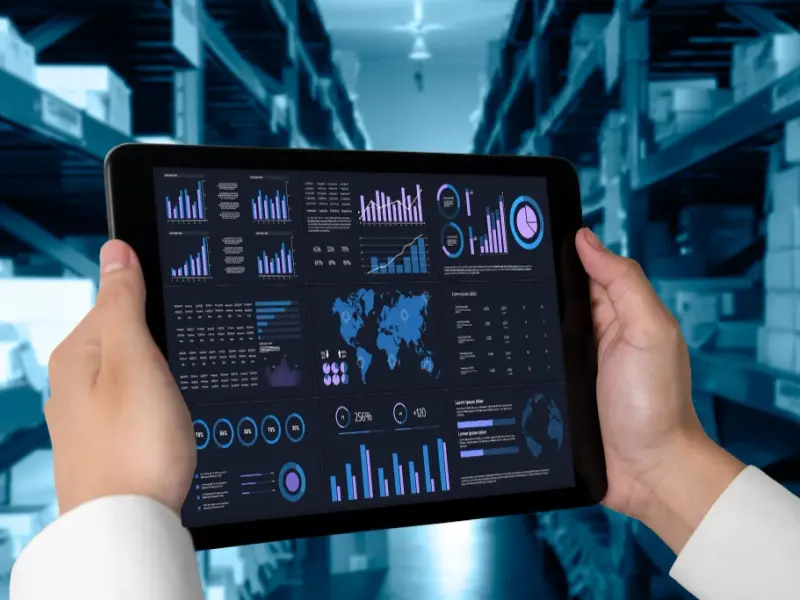
Collecting fleet data is only half the job it’s not worth much until it’s actually turned into something a manager can act on. A good fleet dashboard shows performance metrics visually, through charts and reports that don’t take a data analyst to interpret.
Reporting Analytics typically covers fuel trends, maintenance costs, driver performance, utilization, safety, availability, and the rest of your operational KPIs, all in one place. Integrated with a Fleet Management System, that dashboard gives you visibility across the entire fleet not just the piece you happened to be looking at.
What that gets you: real-time KPI monitoring, reports that don’t require a translator, better planning, faster decisions, and a lot more transparency than a pile of spreadsheets ever offered.
Mistakes Businesses Make When Measuring Fleet KPIs
Plenty of organizations collect mountains of fleet data and still don’t get much value out of it. A few reasons why:
- Tracking every KPI under the sun instead of the handful that actually matter
- Letting preventive maintenance schedules slide
- Working off outdated or inaccurate data
- Never benchmarking performance against anything
- Sticking with manual reporting long after it stopped making sense
- Skipping staff training on how to actually read the reports
Automated data collection and clear performance targets fix most of this it’s rarely a data problem, it’s usually a process problem.
Best Practices for Improving Fleet Performance
Getting better at this isn’t a one-time project it takes ongoing review and the willingness to actually act on what the numbers show.
- Stick to a regular preventive maintenance schedule
- Push Eco Driving habits across the whole fleet
- Keep an eye on driver behavior consistently, not just after an incident
- Use GPS data to keep routes efficient
- Review KPI dashboards weekly, not quarterly
- Use predictive analytics to catch risks before they show up
- Run Vehicle Inspection procedures regularly
- Keep refining operational workflows instead of treating them as fixed
Businesses that actually commit to this tend to end up with lower costs, better safety records, and a fleet that’s genuinely more productive not just one with more reports.
Why Businesses Choose En Route Technologies
Picking the right technology partner matters just as much as picking the right KPIs to track. Data alone doesn’t help it needs to turn into decisions. En Route Technologies provides a Fleet Management System built to give businesses real-time visibility, cut operating costs, and turn data into something managers can actually use.
Everything runs through a single dashboard vehicles, drivers, maintenance schedules, and overall performance, instead of five separate logins.
Some of what’s included:
- Real-time GPS Tracking System
- Intelligent Fleet Tracking System
- Advanced Reporting Analytics
- Preventive maintenance scheduling
- Integrated Fuel Monitoring System
- Digital Vehicle Inspection
- Mobile Driver App
- Connected Telematics & IoT Platform
- AI-powered fleet insights
- Custom KPI dashboards
For full driver oversight, a Driver Management System monitors behavior, assigns responsibilities, and supports better compliance and road safety. On the maintenance side, Vehicle Service Management Software keeps service records and repair schedules organized and easy to pull up. Businesses running their own repair shops can go further still with a Garage Management System simplifying workshop operations, technician assignments, and repair tracking in one place.
Put together, these tools give businesses real control over fleet operations and measurable movement on every KPI that actually matters.
Where Fleet KPIs and Analytics Are Headed
AI, machine learning, IoT sensors, and predictive analytics are steadily reshaping how fleets are managed. Future platforms won’t just report what already happened they’ll start flagging risks and recommending fixes before problems actually occur.
Expect to see more of: AI-powered predictive maintenance, automated KPI reporting, smart route recommendations, connected vehicle ecosystems, real-time driver coaching, predictive fuel analysis, intelligent benchmarking, and more advanced telematics dashboards generally.
As digital transformation continues, data-driven decisions stop being a competitive edge and start being table stakes. Businesses investing in this now are simply better positioned for whatever comes next.
The Bottom Line
Tracking the Most Important Fleet Management KPIs isn’t optional if you actually want to run an efficient, cost-conscious fleet. Fuel consumption, vehicle utilization, downtime, driver performance, maintenance compliance, safety, and route efficiency together, these give you a complete read on how the fleet is actually doing, and where the next improvement should come from.
Modern tools make this a lot easier than it used to be. A Fleet Management System, Fleet Tracking System, GPS Tracking System, Fuel Monitoring System, Reporting Analytics, and Driver Management System working together automate the monitoring, so businesses can focus on acting on the data instead of just collecting it.
As fleet operations keep getting more data-driven, the businesses embracing analytics, AI-powered insights, and connected technology are the ones that end up more profitable, more reliable, and genuinely better positioned for the long run.
FAQ's
They’re the measurable indicators used to evaluate fleet efficiency — fuel usage, maintenance, driver performance, vehicle utilization, and overall operational performance.
hey help businesses cut operating costs, improve safety, optimize maintenance, track productivity, and make decisions based on real data instead of assumptions.
There’s no single answer that fits every business, but fuel consumption, vehicle utilization, driver performance, maintenance compliance, downtime, and safety metrics tend to be among the Most Important Fleet Management KPIs across the board.
Through metrics like fuel efficiency, maintenance costs, delivery performance, vehicle utilization, driver behavior, route efficiency, and operating costs — usually tracked automatically through real-time dashboards rather than manual reports.
A GPS Tracking System sharpens KPI measurement with real-time vehicle visibility, accurate trip history, route optimization, idle time tracking, and driver behavior insight.
It measures how effectively vehicles are being used day to day. Higher utilization generally means better resource management and a stronger return on the fleet investment.