
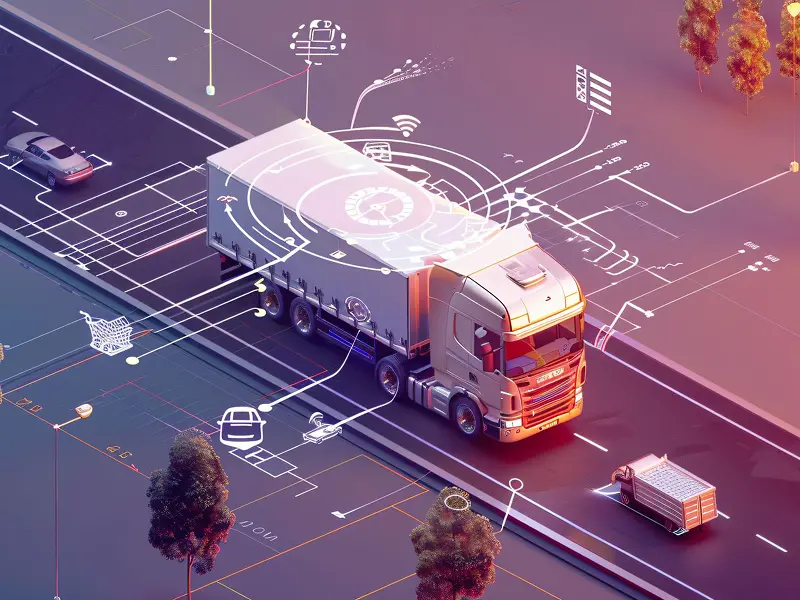
Why ADAS Is Becoming Essential for Modern Fleet Safety
Road Safety is a major global concern for all commercial fleets. Driver related issues like distraction, fatigue, speeding and adverse conditions like poor visibility and delayed responses increase the threat. Road accidents pose a significant risk to the financial, legal, and operational safety of logistics, transportation, construction and passenger fleet businesses.
Fleet Management is becoming more complex due to an increase in fleet size. Traditional monitoring relies on manual systems. Innovative solutions are needed by businesses to identify risks before accidents occur. This is where ADAS (Assisted Driver Assistance Systems) plays an important role.
ADAS along with AI Dash Cams can provide Fleet Managers with the information to better understand behavior and the threats to safety.
Modern Fleet Safety strategies rely on technologies that decrease the frequency of accidents and improve accountability. They allow for more intelligent and safe commercial operations. This is especially true for ADAS, Video Telematics and Driver Monitoring Systems for example.
What Is ADAS?
ADAS (Assisted Driver Assistance Systems) is a vehicle safety system that assists the driver and offers warnings when threats are detected. However ADAS integrates Sensors, Cameras, AI and Machine Learning to help monitor the surrounding environment and prevent vehicular accidents.
Unlike traditional safety systems, which are only designed to respond post-incident, ADAS aims to provide a proactive solution. It looks for potential threats by assessing the condition of the road, the movements of the vehicle, and the actions of the driver.
Typically, an ADAS & AI Dashcam Solutions will incorporate high-definition cameras and advanced systems to recognize objects (including vehicles, pedestrians, and traffic control devices) as well as lane markings. It will then issue notifications that prompt the driver to adopt a more favorable course of action.
In the context of a commercial fleet, ADAS provides an extra layer of safety. Moreover it enhances support for the driver while maintaining the driver and helps companies advance Commercial Vehicle Safety through improved monitoring and system-generated notifications.
How Does ADAS Work?
ADAS incorporates a combination of cameras, sensors, artificial intelligence, and connected fleet solutions. Furthermore the system collects surveillance data and processes it in real time.
First, the cameras (which can be positioned in or out of the vehicle) capture data about the road, object and pedestrian traffic, and even the driver. The data is then analyzed by artificial intelligence to assess risk scenarios.
For instance, the system can recognize a potential collision if it detects that a vehicle is jeopardizing safe distance. Alternatively, ADAS may provide a boundary alert if the driver has inadvertently left the lane.
Modern ADAS solutions will almost certainly integrate with GPS Tracking and/or Video Telematics Systems. By this integration, fleet managers can evaluate a variety of driving events, view traffic data, and assess safety data.
By analyzing incidents and using preventive measures, such as driver coaching and training, companies can gain incident insights via real-time alerts and recorded videos.
Key Features of ADAS for Fleet Safety
Advanced Driver Assistance Systems have several features aimed toward increasing awareness and reducing human error, which contribute toward accident prevention. They also allow commercial fleets to establish a safer driving environment.
Forward Collision Warning
Forward collision warning systems help drivers avoid rear-end collisions by giving them added reaction time to prevent them from coming up too close behind the target vehicle.
Lane Departure Warning
The Lane departure warning System aids in preventing accidents caused by distraction or loss of concentration by notifying a driver of the unintentional movement of their vehicle across lane markings.
Driver Fatigue Detection
ADAS combined with Driver Fatigue Detection helps prevent fatigue-related accidents. It monitors driver alertness and detects unsafe driving behaviors.
Pedestrian Detection
Pedestrian Detection systems are advantageous for urban transportation and delivery systems, as well as construction site transportation, because they alert the system of pedestrians in close proximity to the vehicle.
Blind Spot Detection
Blind Spot Detection systems enhance the safety of making lane changes by assisting drivers in detecting vehicles or objects that are outside their direct line of sight, thus helping to prevent side-impact accidents.
Speed Monitoring and Tailgating Alerts
ADAS is capable of monitoring traveling speeds and determining when insufficient space is maintained between vehicles. These alerts promote proper driving and discourage risk taking.
Traffic Sign Recognition
Traffic Sign Recognition monitors sign postings and alerts drivers of speed limits and other regulations. It ensures drivers remain compliant while operating a vehicle.
These combined elements form a constructive safety culture that affords improved risk management for your fleet.
Benefits of ADAS for Fleet Management
For organizations operating commercial vehicles, safety, and consequently, ADAS, has a direct effect on both productivity and reputation as well as operational costs. There are many specific advantages that ADAS provides and that help companies manage risks more effectively.
The reduction of accidents is perhaps the most significant advantage of ADAS. Danger alerts and avoidance of a situation is made possible due to timelier driver responses.
Furthermore, ADAS offers real-life safety data, which helps improve driver coaching. Risky patterns in driving can be diagnosed, and specific training can be dispensed instead of relying on assumptions.
Reduction in the frequency of accidents translates into reduced downtime for vehicle repair and maintenance. ADAS helps facilitate better driving and helps improve a business’s insurance record.
ADAS helps companies improve their safety standards and helps facilitate safety compliance. Transportation, logistics, and government fleet companies can utilize safety reports and recorded data as evidence that they practice safe and responsible management of their fleets.
When combined with Video Telematics, Fleet Management Software, GPS Tracking Systems, and ADAS provides organizations with full transparency of the driving and vehicle operations.
ADAS and AI Dash Cam Integration: Creating Smarter Fleet Safety
The integration of ADAS and AI Dash Cam Technology reshapes the monitoring and safeguarding of commercial fleets. Traditional Dash cameras record activity on the road. In contrast, AI Dash Cams analyze driving conditions and identify possible safety concerns.
AI fleet Dash Cam identify potentially dangerous behaviors such as distracted/poor driving, and even risky road behaviors like following too closely, departing lanes, and braking. Unlike basic recording devices, AI Dash Cams provide real-time, safety-critical feedback.
The technology of Video Telematics incorporates recorded footage with vehicle data, GPS, and detailed driver reports, allowing complete situational understanding for fleet managers.
An example of the technology’s application would be the sudden and unexpected braking of a fleet vehicle. The system would help identify the cause of sudden braking as distraction or maybe even an undue external safety concern. Fleet managers can then design appropriate driver improvement and safety initiatives.
En Route Technologies employs the combination of the technology described above to help commercial fleets of all industrial sectors create safer, more productive operations.
ADAS for Different Commercial Fleet Industries
While the specific safety issues faced by commercial fleets can vary, ADAS Technology can reduce concerns across a wide variety of sectors.
Logistics and Delivery Fleets
The high volume of daily deliveries undertaken by logistics companies demands safety and efficiency from delivery drivers. ADAS can help delivery fleets minimize accidents caused by driver distraction and the fatigue from time-pressing delivery schedules.
Real-time alerts and video evidence help managers track unsafe driving behavior and instill driver accountability.
Transportation Companies
Transportation companies need their vehicles to operate efficiently. Moreover with the help of ADAS, companies can assist with the safety of both passengers and drivers by monitoring conditions on the road, identifying potential collisions, and promoting safer driving.
When paired with a Fleet Management System, transportation companies can control their vehicles, assess their driving, and enhance the quality of service offered.
Construction Fleets
Construction vehicles operate in complex environments with large equipment, challenging visibility, and highly unsafe situations. With pedestrian detection and blind spot technology, ADAS can help prevent construction site accidents.
This technology gives extra awareness when working adjacent to employees and equipment, especially in highly restricted areas.
Oil and Gas Fleets
For oil and gas companies, ADAS allows monitoring driver behavior, detecting obstacles, and enforcing safety standards, all of which are significantly more complicated due to extended trips in remote areas and hazardous road conditions coupled with driver fatigue.
School Transport and Passenger Fleets
For school buses and other passenger transport providers, safety is the most important consideration. ADAS assists operators in monitoring driver focus, discouraging unsafe driving behaviors, and promoting passenger safety.
Government and Rental Fleets
Government and rental companies operate large vehicle fleets. ADAS provides improved visibility and encourages responsible control of the fleet while decreasing fleet misuse.
Real-Time Monitoring and Driver Behavior Analysis
Behavior is a critical component of fleet safety. Moreover advanced engineering solutions can still yield fleet safety concerns due to the behavior of drivers. Continuous monitoring to provide accurate insights on safety becomes a necessary solution for businesses.
Modern ADAS solutions have Driver Monitoring Systems (DMS), which work in conjunction to assess driver behavior in real time. Some of the behaviors assessed by the systems include, but are not limited to, the following:
- Distracted driving
- Mobile phone usage
- Driver fatigue
- Harsh acceleration
- Harsh braking
- Speeding
- Unsafe lane changes
- Tailgating
Fleet managers can utilize the analysis to build driver safety scores and determine the areas in need of safety improvements.
For instance, a sudden spike in the number of employees exhibiting an unsafe sudden braking behavior can help determine the need for new safety training initiatives to improve braking behavior.
Robust Video Telematics and reporting analytics provide organizations with a clear view of driver behaviors, and promotes a safer driving corporate culture.
Why Businesses Choose En Route Technologies for ADAS Solutions
Visual tracking of fleet vehicles is no longer a sufficient safety monitoring option. Organizations need an integration of safety monitoring, operational awareness, and cognitive analytics.
En Route Technologies ADAS Solutions combine safety monitoring technologies, and integrate each component for improved fleet safety.
With intelligent camera technology, organizations can observe events on the road, evaluate driver behavior, and gather evidence during incidents. The platform promotes informed decisions for fleet managers through real-time information and comprehensive reports.
Key capabilities include:
- AI Dash Cam solutions for proactive safety monitoring
- Real-time vehicle tracking through GPS technology
- Driver behavior analysis and safety scoring
- Video-based incident verification
- Fleet performance reporting and analytics
- Connected fleet visibility through smart platforms
For businesses operating in industries such as logistics, transportation, construction, and passenger services, En Route Technologies helps create safer fleet environments while improving operational efficiency.
By combining ADAS with a complete Fleet Management System, organizations can reduce risks, improve compliance, and build a future-ready transportation ecosystem.
Future of ADAS Technology in Smart Transportation
The smart transportation systems of the future will rely heavily on the ADAS technology and artificial intelligence and connected vehicles. The more businesses digitize their fleet operations, the more ADAS will be a fundamental component of safety for the modern vehicle.
With the enhancement of artificial intelligence within the ADAS systems, the assessment of objects, driver behavior, and the prediction of safety will be more advanced. Instead of passive systems that monitor for present safety risks, future systems will be more proactive and identify potential safety issues before they occur.
Along with the IoT, more ADAS systems will be conceived that support a connected vehicle fleet. Vehicles, sensors, and cameras will be able to communicate with each other and fleet control systems more seamlessly and efficiently to provide greater insight into business and operational activities.
The ADAS will also foster advancements in the technology of self-driving vehicles. Features like automatic emergency braking, collision avoidance, and navigation will become further refined and enhanced.
Commercial fleets will pivot toward safety, automation, and real-time choice management in the coming years. Companies embracing smart technology today will hold the competitive advantage for the future of travel.
Conclusion
For companies seeking to enhance road safety and minimize the incidence and impact of collisions on operations, the need for ADAS is obvious. Advanced Driver Assistance Systems provide a way to help drivers avoid the risks that will become collisions via smart cameras, AI, and real-time notification systems.
For commercial fleets, the combination of ADAS, AI Dash Cam, Video Telemetry, and GPS-based Fleet Operations and Management Systems provides a powerful suite of safety assurance technologies.
With ADAS, En Route Technologies can help companies protect drivers and customers, and enhance and optimize the compliance and safety of their transport operations.
FAQ's
ADAS (Advanced Driver Assistance Systems) is a vehicle safety technology that uses cameras, sensors, and artificial intelligence to help drivers avoid accidents. It provides alerts for risks such as collisions, lane departure, driver fatigue, and unsafe driving behavior.
ADAS works by collecting information through cameras and sensors. Artificial intelligence analyzes road conditions, vehicle movement, and driver actions. The system then provides warnings when it detects potential safety risks.
ADAS helps commercial fleets reduce accidents, improve driver behavior, lower operational risks, and increase safety compliance. It also provides valuable insights through video recordings and driver performance analytics.
ADAS is a complete driver assistance technology that includes multiple safety features such as collision warnings and lane monitoring. An AI Dash Cam is a camera-based solution that uses artificial intelligence to record and analyze driving events.
Yes. ADAS helps reduce accidents by warning drivers about potential hazards and encouraging safer driving behavior. Early alerts allow drivers to react faster and avoid dangerous situations.
Industries including logistics, transportation, construction, oil and gas, school transport, rental companies, government fleets, and corporate fleets benefit from ADAS technology.
Yes. ADAS solutions can support heavy commercial vehicles by improving driver awareness, reducing collision risks, and enhancing fleet safety management.
ADAS improves fleet safety by monitoring driver behavior, detecting risks, providing real-time alerts, and helping fleet managers make data-driven safety decisions.