
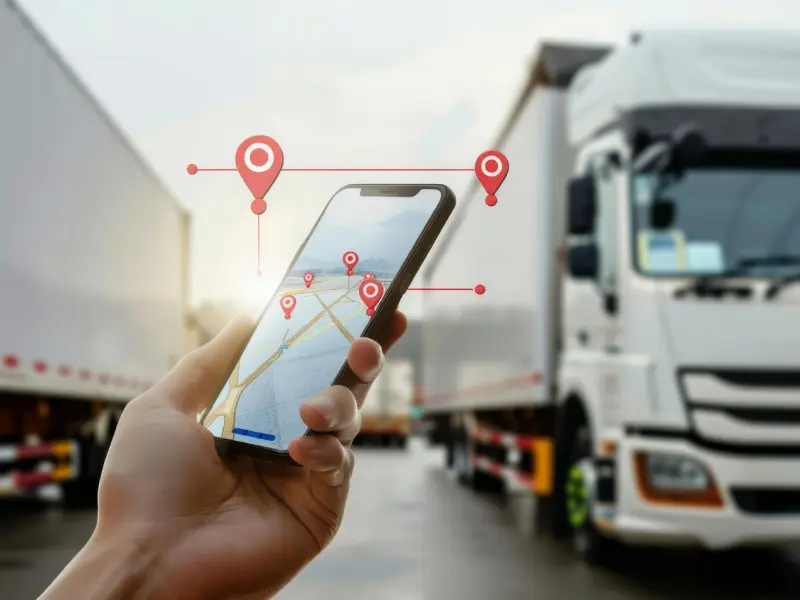
Fleet management is growing increasingly difficult. Expectations from customers are growing. Fuel costs keep increasing. Traffic keeps getting worse and fleet maintenance is costing more. Unfortunately, many companies are struggling with untracked deliveries, wasted fuel, poor fleet visibility, and limited control.
A Fleet Tracking System modernizes business practices. A Fleet Tracking System gives you all the control and visibility you need in one dashboard. Businesses can track vehicles, improve route planning, enhance driver safety, and make quicker business decisions through the integration of device tracking, cloud computing, and telematics.
Fleets Tracking Software works for all types of fleets. It supports delivery vans, logistics trucks, construction vehicles, utility fleets, and government transport. It helps reduce costs, improve efficiency, and simplify fleet operations.
En Route Technologies has designed a modern fleet management system solution that incorporates real time monitoring, smart reporting, driver tracking and fleet management analytics all in one solution. Businesses can enhance operational efficiency, fleet accountability, and responsiveness to customer needs with this solution.
What Is a Fleet Tracking System?
A Fleet Tracking Systems is an integrated solution using cloud computing, telematics, and GPS tracking to enable businesses to view, manage, and control all their commercial vehicles.
Fleet Tracking Systems consist of many monitoring and tracking GPS devices that are integrated and connected to a central Fleet Tracking Management Software. This sense of individual vehicles and their drivers.
A modern Fleet Monitoring System consistently tracks daily operational changes. Fleet Tracking Software gives managers real-time visibility of vehicle location, status, and performance. It eliminates the need for manual reports and phone calls.
A comprehensive Vehicle Tracking System also helps businesses:
- Track live vehicle locations
- Monitor fleet utilization
- Improve dispatch efficiency
- Reduce unauthorized vehicle usage
- Increase operational transparency
- Enhance customer service
By combining GPS Tracking system Technology, cloud computing, and real-time analytics, businesses gain complete control over their fleet operations.
How Does Fleet Tracking Software Work?
Modern Fleet Tracking Software combines several technologies to provide accurate and reliable vehicle monitoring.
GPS Tracking Devices
One of the key components of modern Fleet Monitoring Software systems is the GPS tracking device that is embedded in each vehicle. Moreover these tracking devices capture a vehicle’s location, speed, direction, and movement in real-time, without any interaction from the driver. This enables constant coverage.
GPS Satellites
In a Fleet Monitoring Software system, GPS satellites determine a vehicle’s location through communication with the tracking device. These satellites calculate precise coordinates and assist in monitoring vehicle movements in real-time, thus allowing Fleet Managers to supervise vehicles in the coverage area.
Fleet Telematics
The Fleet Telematics is the term used to describe the collection of operational data by the tracking device. In addition to data on a vehicle’s location, Fleet Telematics, when equipped with the appropriate hardware, can capture a variety of data including:
- Vehicle speed
- Engine status
- Fuel consumption
- Engine idle time
- Mileage
- Driver behavior
- Diagnostic fault codes
This information helps businesses improve fleet performance while reducing operating costs.
Cloud Fleet Management Platform
All collected data is transmitted securely to a cloud-based Fleet Management Software platform.
Fleet managers can access live information through an interactive Fleet Dashboard, where they can monitor:
- Vehicle locations
- Trip history
- Alerts
- Driver performance
- Fleet reports
- Vehicle health
Since the platform is cloud-based, authorized users can access fleet information anytime from desktops, tablets, or smartphones.
Mobile Applications
Fleet solutions of the modern age rely on mobile applications for managers and drivers.
Fleet managers are notified of crucial events in their fleet such as speeding, geofence breaches, administrative violations, and maintenance due.
Moreover, mobile applications help managers and drivers communicate effectively, saving time and increasing productivity.
As a result, drivers can receive assignments and routed jobs instantly, improving coordination and operational efficiency.
Key Features of a Modern Fleet Tracking System
A powerful Fleet Tracking System includes several intelligent features that help businesses improve efficiency and maintain complete fleet visibility. Features of best fleet tracking system are mentioned below:
Live GPS Fleet Tracking
Managers can monitor the live location of their fleet vehicles any time of the day with the system’s real time GPS Tracker.
Moreover, live tracking allows businesses to manage their fleet more efficiently and improve customer service. As a result, accurate delivery estimates can be provided to customers, enhancing transparency and satisfaction.
Geofencing
Geofencing creates virtual boundaries around specific locations such as warehouses, construction sites, customer premises, or restricted areas.
Furthermore, the system automatically sends alerts whenever a vehicle enters or exits a designated zone. As a result, businesses can improve security and simplify workforce management more effectively.
Route History
Every completed trip is stored automatically.
Additionally, managers can review historical routes, verify completed deliveries, investigate incidents, and identify inefficient travel patterns that increase fuel costs. Consequently, they can make data-driven decisions to improve operational efficiency and reduce expenses.
Driver Identification
Many fleet solutions support driver identification through RFID cards, iButton technology, or mobile authentication.
As a result, every trip is linked to the correct driver, improving accountability and simplifying performance evaluations. Furthermore, this helps managers monitor driver performance more accurately and maintain reliable operational records.
Intelligent Alerts
Instant alerts help managers respond quickly to operational issues.
Typical notifications include:
- Speeding
- Excessive idling
- Harsh braking
- Unauthorized vehicle movement
- Geofence violations
- Low battery warnings
- Maintenance reminders
These proactive alerts reduce risks before they become costly problems.
Mobile Access
Vehicle Tracking Software that uses the Cloud allows Fleet Managers to access information anywhere.
Additionally, managers can work from the office, home, or while on the move and still access real-time fleet information through secure mobile applications. Consequently, they can make informed decisions quickly and maintain operational visibility from anywhere.
Fleet Dashboard
The centralized Fleet Dashboard displays all critical fleet information in one place.
Managers can quickly monitor:
- Active vehicles
- Vehicle status
- Driver activity
- Ongoing trips
- Alerts
- Fuel trends
- Fleet utilization
This single interface simplifies daily fleet operations and improves decision-making.
Comprehensive Reporting
Modern Fleet Tracking Management Software creates detailed reports on fleet activity, driver performance and fuel consumption, trip history, idletime, maintenance schedules as well as operational efficiency.
Furthermore, with just a couple of clicks, businesses can generate accurate reports without spending hours on manual reporting. As a result, they can save valuable time, improve productivity, and make faster data-driven decisions.
Real-Time Fleet Visibility Improves Better Decision-Making
Real-Time Tracking is a key part of a modern Fleet Tracking System , but it also gives businesses a full view of their whole fleet.
Fleet managers can watch every vehicle from one centralized dashboard , and they don’t really have to call or contact drivers. That means dispatching is smoother, delays get reduced, and companies can respond fast when conditions start shifting.
Moreover, live tracking helps dispatchers identify the nearest available vehicle for new assignments. As a result, businesses can improve productivity, reduce response times, and enhance overall operational efficiency.
Additionally, businesses can share more accurate Estimated Arrival Times (ETAs) with customers. Consequently, this improves transparency, boosts customer satisfaction, and enhances the overall service experience.
Furthermore, with Fleet Visibility, managers can monitor vehicle status and ongoing activities, such as active trips, completed deliveries, and driver behavior. As a result, they can make more informed decisions, improve operational efficiency, and enhance overall fleet performance.
Route Optimization Reduces Fuel Consumption
As everyone knows, fuel is one of the largest operating expenses for fleets. Therefore, Fleet Tracking Software helps reduce these costs through route optimization based on traffic conditions, distance, and delivery priorities.
Furthermore, smart route planning enables businesses to identify the most efficient routes, reducing unnecessary travel distance and time. In addition, live traffic updates help drivers avoid congestion and road closures. As a result, deliveries are completed on time while fuel consumption is minimized.
Moreover, the system monitors excessive idling and inefficient routes, allowing businesses to improve vehicle utilization and reduce fuel waste. Consequently, optimized route planning leads to more deliveries, lower operating costs, and improved overall fleet performance.
Driver Behavior Monitoring Enhances Fleet Safety
Safe driving not only saves money but also supports overall business performance. Therefore, Fleet Tracking Management Software monitors unsafe driving behaviors such as speeding, harsh braking, and excessive idling.
Furthermore, real-time alerts and driver scorecards are provided to fleet managers and assigned to individual drivers. As a result, managers gain valuable insights into driving habits and can identify areas that require improvement. In addition, these insights help businesses provide targeted training to drivers who need additional support.
Consequently, improved driving behavior creates a safer work environment, reduces vehicle wear and tear, lowers insurance costs, and enhances employee accountability. Moreover, these benefits contribute to better fleet efficiency and long-term operational savings.
Fleet Maintenance and Vehicle Health Monitoring
Fleet breakdowns can be avoided with the regular maintenance of fleet vehicles. Fleet Tracking Systems make Fleet Managers responsible for the maintenance of their vehicles. Fleet Tracking Systems monitor engine hours, mileage, and schedules with fleet maintenance system .
Fleet Managers receive prompts for Brake Maintenance, Tire Maintenance, Oil Changes, and preventative maintenance. Advanced Fleet Telematics services also monitor engine health and will notify maintenance of issues before they become larger, more costly breakdowns.
The reliability of an Advanced Fleet Tracking System improves the reliability of the fleet and reduces the breakdowns of the vehicles.
Fleet Analytics and Reporting for Better Business Decisions
A modern Advanced Fleet Tracking System provides an easy-to-use Fleet Dashboard that helps businesses monitor a wide range of fleet metrics. Furthermore, fleet managers can generate detailed reports for specific vehicles, including information on usage, fuel consumption, trips, and other operational data. In addition, they can access fleet-wide operational metrics for a complete overview of performance.
Moreover, these analytics help identify inefficiencies, control costs, and measure key performance indicators (KPIs). As a result, businesses can make data-driven decisions and optimize their fleet operations. Consequently, Fleet Analytics enables organizations to maximize resources, improve efficiency and productivity, and uncover opportunities that support long-term growth.
Industries That Benefit from Fleet Tracking Systems
Furthermore, fleet tracking systems can be invaluable across every sector of the economy by improving vehicle visibility, reducing operating costs, and enhancing productivity. As a result, businesses gain greater control over their fleet operations and can respond more effectively to daily challenges. Moreover, Fleet Tracking Software enables companies of all sizes to develop more effective strategies, streamline procedures, and make data-driven decisions that support long-term growth.
Logistics and Transportation
Businesses in logistics can use GPS Fleet Tracking to monitor deliveries and optimize routes and time estimates. The ability to observe vehicles in real-time reduces delays and improves customer satisfaction and asset utilization with best asset management system.
Construction
Construction companies can track vehicles and heavy equipment on multiple job sites using a tracking system. Vehicle tracking can help monitor and better utilize construction assets, and deter theft and unauthorized use.
Oil and Gas
Oil and gas companies typically have to send vehicles to remote locations. Fleet Monitoring Systems provide the ability to track vehicles to ensure safe drivers and the delivery of goods in a timely and even more difficult environment.
Government and Utility Companies
Additionally, Fleet Management Software helps government agencies, utilities, and other service organizations manage their vehicles and field personnel more effectively. As a result, they can improve operational visibility, enhance workforce accountability, and provide greater transparency and reliability to the communities and customers they serve.
Delivery and Rental Fleets
Delivery companies use Fleet Management Software for real-time vehicle tracking and route optimization. Similarly, rental companies use these systems to enhance vehicle security, prevent misuse, and improve asset utilization. As a result, both industries can increase operational efficiency, reduce costs, and deliver better customer service.
How to Choose the Best Fleet Tracking Software
Selecting the best Fleet Tracking Software is essential for improving operational efficiency and supporting future growth. However the ideal solution should meet your current needs while remaining scalable as your fleet expands.
When evaluating a solution, consider these key features:
- Accurate GPS Fleet Tracking with real-time updates
- Cloud-based platform for remote access
- User-friendly Fleet Dashboard
- Route optimization and geofencing
- Driver behavior monitoring and safety alerts
- Fleet analytics and customizable reports
- Vehicle maintenance scheduling
- Mobile applications for managers and drivers
- Easy integration with existing business systems
- Reliable customer support and regular software updates
Choosing a comprehensive platform helps businesses improve productivity, reduce costs, and gain complete control over their Fleet Operations.
Future Trends in Fleet Tracking Technology
Automation, visibility, and improved decision-making are among the things new technologies are making possible.
Artificial Intelligence (AI) enables the automation of real-time operational insights and intelligent dispatching, which assists in predictive routing. Vehicles that are connected through the Internet of Things will communicate location and performance data in real-time.
Using predictive analytics will help industries avoid the costly downtime of unexpected breakdowns. The combination of AI-Driven cameras and telematics will help improve driver safety.
Fleet Tracking Systems will embrace battery monitoring, Charging Management and Energy Optimization with the uptake of Electric Vehicles. Automation and the Cloud will simplify Fleet Management and give organizations complete oversight.
Conclusion
Understanding Fleet Tracking Systems requires recognizing that they are vehicle tracking tools, not only vehicle tracking tools. Furthermore these Systems improve insight into your fleet, increase the safety of your drivers, better your routes, decrease the amount of fuel you consume, and ease the maintenance of tools while giving you insight into your operations.
Telematics combined with Cloud Management, will allow your Organization to increase productivity and decrease costs. Tracking your Fleet is a System that Service based Companies should embrace regardless of your Company’s Segment (Logistics, Construction, Utilities, or Delivery).
En Route Technologies provides smarter fleet management systems that enable businesses real-time visibility, enhance operational fleet effectiveness, and support better business decisions. Let us assist you in your fleet management transformation. Connect with us now.
FAQ's
A Fleet Tracking System uses GPS technology and telematics to monitor vehicle locations, driver activity, and fleet performance in real time.
It collects data from GPS tracking devices installed in vehicles and sends it to a cloud-based dashboard, where managers can monitor fleet operations and generate reports.
GPS Fleet Tracking improves vehicle visibility, route optimization, fuel efficiency, driver safety, maintenance planning, and overall operational productivity.
Yes. They reduce fuel costs by optimizing routes, minimizing idle time, avoiding traffic congestion, and encouraging efficient driving behavior.
Most modern systems provide highly accurate real-time location updates using advanced GPS technology and cloud connectivity.
Yes. Scalable solutions are available for businesses of all sizes, allowing small fleets to improve efficiency without significant infrastructure costs.
Look for real-time GPS tracking, route optimization, geofencing, driver behavior monitoring, maintenance scheduling, fleet analytics, mobile access, and a centralized dashboard.