
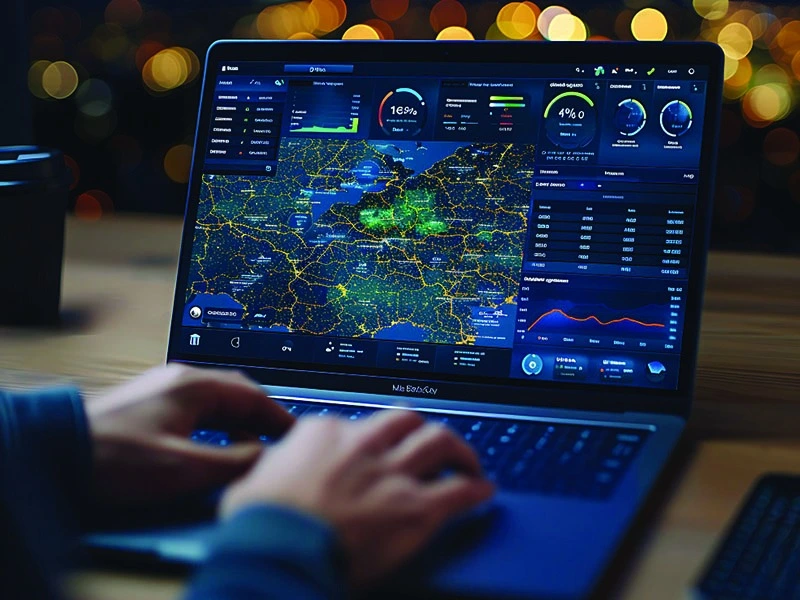
The Growing Need for GPS Tracking Software
Managing a fleet without real-time visibility has become increasingly difficult in today’s fast-moving transport and logistics environment. Fuel costs are rising, customer expectations are higher, and operational delays can directly impact profitability.
However, many fleet operators still rely on manual tracking methods or outdated systems that provide limited insight into vehicle activity. As a result, inefficiencies often go unnoticed until they become costly problems.
This is exactly where GPS tracking software transforms fleet operations. It provides real-time visibility, improves decision-making, and helps businesses reduce unnecessary expenses. Ultimately, it allows fleet managers to move from reactive control to proactive management.
What is GPS Tracking Software?
GPS tracking software is a digital fleet management solution that uses satellite positioning and cloud technology to monitor vehicles in real time. It collects and processes location data, movement patterns, and vehicle performance metrics.
In addition to tracking location, modern systems also analyze driving behavior, fuel usage, route efficiency, and vehicle health. Therefore, fleet managers gain a complete operational overview from a single dashboard.
Moreover, solutions like those offered by En Route Technologies integrate tracking with advanced analytics, enabling smarter and faster decision-making across all fleet sizes.
The Problem Without GPS Tracking Software
Without GPS tracking software, fleet operations often face hidden inefficiencies that directly increase costs and reduce productivity.
For example, vehicles may take longer or inefficient routes without detection. Similarly, excessive idling and speeding can significantly increase fuel consumption.
Additionally, managers often struggle with:
- Lack of real-time vehicle visibility
- Poor route planning and delayed deliveries
- Increased fuel wastage due to inefficient driving
- Difficulty in monitoring driver behavior
- Higher risk of unauthorized vehicle use
- Limited ability to respond to operational issues quickly
Consequently, businesses may experience rising operational costs without understanding the root cause. Over time, this can reduce profitability and customer satisfaction.
How GPS Tracking Software Works
The working process of GPS tracking software is based on three main components: hardware, connectivity, and analytics.
1. Device Installation
A GPS tracking device is installed in each vehicle. This device collects real-time data such as location, speed, and engine activity.
2. Data Transmission
Next, the collected data is transmitted through mobile or satellite networks to a secure cloud server. This ensures continuous updates without delays.
3. Data Processing
After that, the system processes the data and converts it into meaningful insights such as route history, fuel usage patterns, and driver behavior analysis.
4. Dashboard Monitoring
Finally, fleet managers access a centralized dashboard where all vehicle information is displayed in real time. This allows immediate action when issues arise.
Moreover, alerts are automatically generated for events like speeding, route deviation, or unauthorized stops. As a result, fleet control becomes more proactive and efficient.
Key Features and Benefits of GPS Tracking Software
Real-Time Vehicle Tracking
One of the most important features of GPS tracking software is live tracking. It allows managers to see exactly where each vehicle is at any moment.
This improves coordination, reduces delays, and enhances overall delivery accuracy. Additionally, it increases accountability among drivers.
Route Optimization
The system analyzes travel history and suggests more efficient routes. Therefore, vehicles travel fewer kilometers and consume less fuel.
As a result, businesses can reduce operational costs by 10–20% through optimized routing alone.
Driver Behavior Monitoring
GPS systems track driving habits such as harsh braking, rapid acceleration, and speeding.
Furthermore, this data helps managers train drivers to adopt safer and more fuel-efficient driving patterns. Consequently, accident risks and fuel costs are significantly reduced.
Fuel Efficiency Insights
Advanced GPS tracking software can integrate fuel monitoring tools to track consumption in real time.
In addition, it helps identify unusual fuel usage patterns that may indicate inefficiency or misuse. Typically, fleets achieve 15–25% fuel savings when fuel insights are actively used.
Security and Theft Prevention
Real-time tracking significantly reduces the risk of vehicle misuse or theft.
Moreover, instant alerts notify managers about unauthorized movement or unexpected stops. Therefore, response time improves dramatically during security incidents.
Maintenance Monitoring
The system tracks engine performance and usage patterns to predict maintenance needs.
As a result, businesses can avoid unexpected breakdowns and extend vehicle lifespan. Preventive maintenance typically reduces repair costs by 10–15%.
Real-World Operational Example (Generic)
In a large delivery fleet, vehicles were previously operating without real-time monitoring. Drivers often chose longer routes, and fuel consumption remained unpredictable.
After implementing GPS tracking software, the fleet gained full visibility into daily operations. Routes were optimized, driver behavior improved, and fuel usage became more controlled.
Consequently, the company reduced fuel expenses by nearly 20% and improved on-time deliveries significantly. Additionally, maintenance scheduling became more efficient due to predictive alerts.
Industry Applications of GPS Tracking Software
Logistics and Transportation
In logistics fleets, GPS tracking software improves delivery accuracy and reduces transit delays. Moreover, it helps optimize long-distance routes for maximum efficiency.
Construction and Heavy Equipment
Construction fleets benefit from monitoring equipment usage, idle time, and fuel consumption on job sites. Therefore, operational efficiency improves significantly.
Public Transport Fleets
For passenger transport, the system ensures schedule adherence and improves passenger safety. Additionally, it helps optimize route planning for better service coverage.
Service and Field Operations
Service-based fleets use GPS tracking to manage technician routes and job assignments more effectively. As a result, response times are reduced and productivity increases.
Emergency and Utility Fleets
In emergency operations, real-time tracking ensures faster response times. Furthermore, it helps coordinate multiple vehicles efficiently during critical situations.
Why Businesses Choose EnRoute Technologies
En Route Technologies provides advanced GPS tracking software designed for global fleet operators. The system offers real-time visibility, intelligent reporting, and scalable fleet management tools.
Moreover, it supports businesses in reducing operational costs while improving productivity and control. With its data-driven insights, fleet managers can make faster and more accurate decisions.
Conclusion: The Future of Fleet Management
In conclusion, GPS tracking software has become an essential tool for modern fleet operations. It enhances visibility, improves safety, and significantly reduces operational costs.
Furthermore, businesses that adopt advanced tracking systems gain a strong competitive advantage through improved efficiency and better resource utilization.
Ultimately, investing in GPS tracking software is not just about tracking vehicles—it is about transforming the entire fleet into a smarter, data-driven operation.
With En Route Technologies, fleet operators can achieve higher ROI, better control, and long-term operational excellence.