
Introduction
Fuel is one of the largest operating expenses for any fleet.
Yet most fleet managers have almost no visibility into their fuel consumption, efficiency, or where fuel costs are actually going.
Drivers may be wasting fuel through inefficient driving. Additionally, fuel may be disappearing from tanks due to theft or leakage. Meanwhile, routes may be longer than necessary, increasing operational costs. Furthermore, vehicles may have mechanical issues that raise fuel consumption. Without accurate data, however, fleet managers are essentially flying blind.
This is where a fuel management system changes everything.
A fuel management system gives you complete visibility into fuel consumption, identifies problems, prevents theft, and automatically optimizes your fleet’s efficiency. The result? Fleet operators typically reduce fuel costs by 20-30% within the first few months.
In this guide, we’ll explain what a fuel management system is, how it works, what problems it solves, and how to implement one in your fleet management system operation.
What is a Fuel Management System?
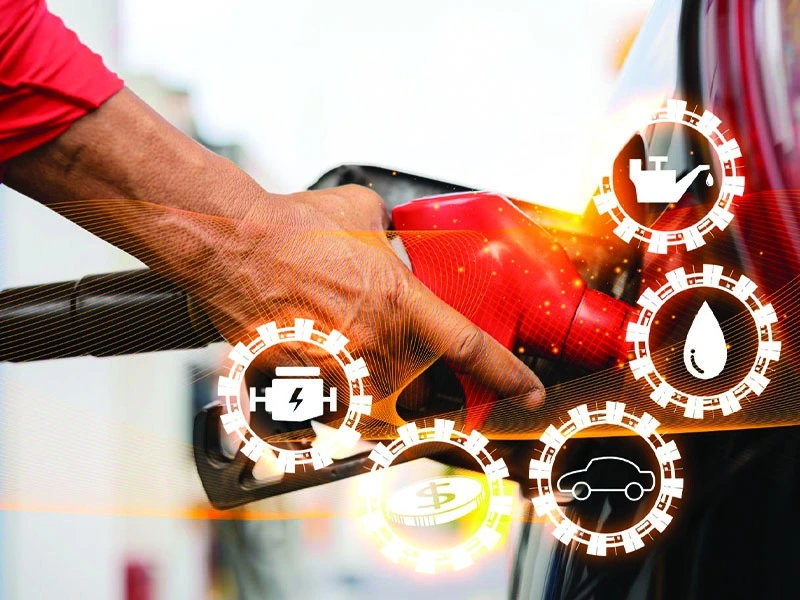
A fuel management system is a technology solution that monitors, tracks, and optimizes fuel consumption across fleet vehicles.
It combines GPS tracking, vehicle sensors, and intelligent software to give you real-time visibility into:
- Track fuel consumption in liters per kilometer.
- Monitor remaining fuel levels in every vehicle tank.
- Measure overall vehicle efficiency across the fleet.
- Detect sudden drops that may indicate theft or leakage.
- Prevent unauthorized fuel usage with real-time alerts.
- Driving behavior (habits that waste fuel like speeding or harsh acceleration)
- Vehicle performance (mechanical issues affecting fuel consumption)
Think of it as a complete fuel intelligence system for your fleet. Instead of wondering why your fuel bills keep rising, you have exact data showing exactly where fuel goes, why it’s being used, and how to reduce consumption.
EnRoute Technologies, for example, provides fuel management systems that integrate GPS tracking system with fuel sensors to give fleet operators this complete visibility.
Why Fuel Management Matters: The Hidden Costs
Before understanding fuel management solutions, it’s important to understand the real cost of not having fuel management.
Fuel Waste Through Inefficiency
Without proper monitoring, your fleet wastes fuel in multiple ways:
- Inefficient routing: Drivers take longer routes instead of optimized paths, adding unnecessary kilometers
- Speeding: Vehicles traveling above optimal speeds consume 15-20% more fuel. Consequently, operating costs increase significantly.
- Harsh acceleration/braking: Aggressive driving significantly increases fuel consumption
- Excessive idling: Vehicles running idle when stopped waste pure fuel
- Poor vehicle maintenance: Dirty air filters, low tire pressure, and engine problems increase fuel consumption by 5-15%
Real impact: A 50-vehicle fleet spending $10,000/month on fuel could be wasting $2,000-3,000/month (20-30%) just from these inefficiencies.
Fuel Theft and Unauthorized Use
Without proper monitoring, it’s nearly impossible to detect fuel-related losses. For example, drivers may siphon fuel from vehicle tanks, while unauthorized use of fleet vehicles can increase operating costs. In some cases, fuel meters may be tampered with, or fuel may even be sold to third parties. As a result, businesses lose money without realizing it.
Real impact: Fleet operators typically lose 2-5% of their fuel budget to theft and misuse.
Lack of Data-Driven Decision Making
Without fuel consumption data, you can’t:
- Identify which drivers are inefficient
- Know which vehicles are burning too much fuel
- Budget accurately for fuel costs
- Identify vehicles with mechanical problems
- Optimize routes for fuel efficiency
- Set driver performance targets
How Fuel Management Systems Work
The fuel management system operates through several integrated steps:
Step 1: Hardware Installation
Small GPS devices with fuel sensors are installed in each fleet vehicle. These devices connect to the vehicle’s fuel system and continuously monitor:
- GPS location and movement
- Speed and acceleration patterns
- Fuel consumption in real-time
- Engine diagnostics and performance
Installation typically takes 15-30 minutes per vehicle. Furthermore, it doesn’t require major engine modifications.
Step 2: Real-Time Data Collection
As vehicles operate, the fuel management system continuously sends data to cloud servers, including:
- Fuel level in tank (updated every few seconds)
- Fuel consumption rate
- GPS location and route taken
- Driver identity and driving behavior
- Engine performance metrics
- Temperature and other vehicle diagnostics
This data streams continuously throughout the day. As a result, fleet managers receive real-time information about every vehicle.
Step 3: Dashboard Analysis
Through a centralized dashboard, fleet managers can easily view:
- Real-time fuel levels for all vehicles
- Fuel consumption per vehicle and per driver
- Alerts for sudden fuel drops (theft indication)
- Efficiency scores and comparisons
- Route optimization recommendations
- Driver behavior analysis
Step 4: Intelligent Alerts and Insights
The system analyzes data patterns and automatically alerts you to:
- Fuel theft: Sudden fuel level drops that don’t correspond to driving
- Inefficient driving: Driver A consistently uses 20% more fuel than driver B
- Maintenance needs: Rising fuel consumption indicating mechanical issues
- Speeding: Real-time alerts when drivers exceed efficient speed ranges
- Route optimization: Suggestions for better routes using fewer kilometers
Step 5: Reporting and Optimization
Generate automated reports showing:
- Weekly fuel consumption trends
- Monthly fuel costs per vehicle and per driver
- Comparison of actual vs. budgeted fuel costs
- Driver efficiency rankings
- Maintenance recommendations
- ROI on fuel savings achieved
Key Features of Fuel Management Systems
Real-Time Fuel Consumption Tracking
Know exactly how much fuel each vehicle is consuming, down to individual trips.
Business benefit: Identify fuel-wasting vehicles and drivers immediately, enabling quick intervention and coaching.
Fuel Theft Prevention
Detect unauthorized fuel removal through sudden fuel level drops.
Business benefit: Prevent loss of 2-5% of fuel budget that typically goes to theft in fleets without monitoring.
Driver Behavior Monitoring
Track driving habits that impact fuel consumption: speeding, harsh acceleration/braking, excessive idling.
Business benefit: Coach drivers on fuel-efficient driving techniques, typically reducing fuel consumption 5-10%.
Route Optimization
Analyze actual routes taken and recommend more efficient paths using fewer kilometers.
Business benefit: Reduce kilometers traveled 15-20%, directly reducing fuel consumption.
Vehicle Efficiency Scoring
Compare fuel efficiency across your fleet to identify:
- Which vehicles are performing well
- Which vehicles have mechanical issues
- When vehicles need maintenance
Business benefit: Maintain fleet efficiency through preventive maintenance, reducing fuel waste from mechanical problems.
Automated Reporting
Generate fuel reports automatically without manual data collection.
Business benefit: Save 10+ hours per week on fuel reporting and analysis, freeing management to focus on optimization.
How Much Can You Save?
Typical fuel cost reductions from implementing a fuel management system:
Fuel Efficiency Improvement: 20-30%
Through route optimization, driver coaching, and vehicle maintenance:
- Route optimization: 10-15% reduction in kilometers
- Driver behavior coaching: 5-10% reduction through efficient driving
- Vehicle maintenance: 3-5% reduction through preventive care
- Total: 20-30% fuel cost reduction typical
Theft Prevention: 2-5% Recovery
Preventing fuel theft and unauthorized use typically recovers 2-5% of fuel costs.
Total Monthly Savings Example
50-vehicle fleet with $10,000/month fuel budget:
- Base fuel cost: $10,000
- Savings from efficiency (25%): -$2,500
- Savings from theft prevention (3%): -$300
- Total monthly savings: $2,800
- Annual savings: $33,600
System cost for 50 vehicles: approximately $500-800/month Net annual benefit: $27,600-$30,600 (4-6 months payback period)
Fuel Management for Different Fleet Types
Fuel management systems benefit all types of fleets:
Logistics and Delivery Fleets
Challenge: Large fleets with many drivers and routes, significant fuel costs
Advantages include: Route optimization reduces kilometers, driver monitoring reduces waste, theft prevention protects assets
Expected savings: 25-35% fuel cost reduction typical
Construction and Heavy Equipment Fleets
Challenge: Vehicles may idle long periods on job sites, fuel access is risky
Key improvements include: Idle time monitoring, fuel theft prevention, vehicle efficiency tracking
Expected savings: 20-30% fuel cost reduction
Passenger Transport Fleets
Challenge: Must maintain schedules while controlling fuel costs
Operators gain: Driver efficiency scoring, route optimization, vehicle maintenance alerts
Expected savings: 15-25% fuel cost reduction
Emergency Services Fleets
Challenge: Cannot sacrifice response time but need cost control
Organizations benefit from: Route optimization for fastest routes, driver coaching, vehicle maintenance
Expected savings: 15-25% fuel cost reduction
Getting Started with Fuel Management
If you’re ready to reduce fuel costs and gain fuel visibility:
1 Step : Assess your current fuel spend and efficiency baseline
2 Step : Choose a fuel management system provider
3 Step : Plan implementation (hardware installation, driver training)
4 Step : Go live and begin monitoring
5 Step : Optimize based on data (coaching, routing, maintenance)
En Route Technologies provide complete fuel management solutions with professional installation, driver training, and ongoing support.
Conclusion
The fuel management system is one of the highest-ROI investments fleet operators can make. By providing visibility into fuel consumption, preventing theft, optimizing routes, and coaching drivers, these systems typically reduce fuel costs by 20-30% while improving fleet efficiency and driver accountability.
For fleet managers struggling with rising fuel costs, fuel management systems provide both immediate visibility and long-term cost reduction.
The question isn’t whether you can afford a fuel management system. It’s whether you can afford the continued fuel waste without one.