
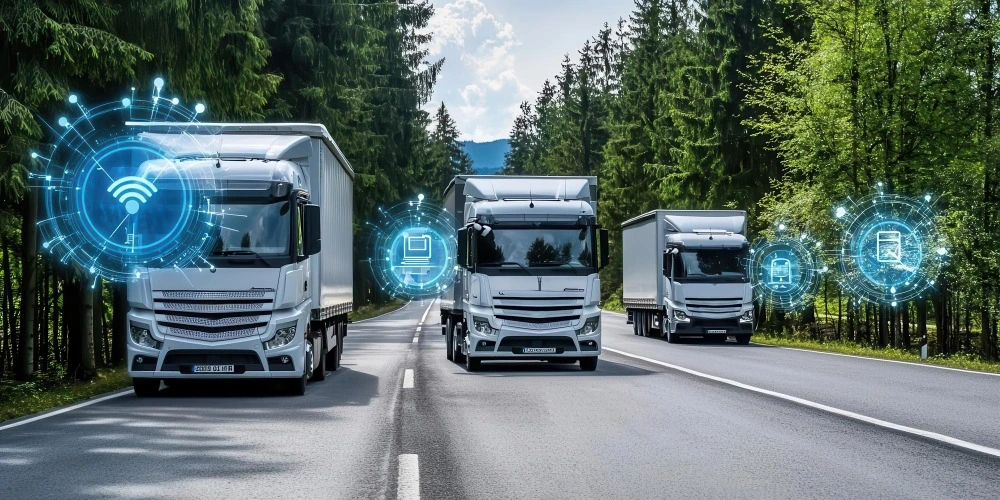
Managing a modern fleet requires more than knowing where vehicles are located. Fleet managers need reliable information about vehicle movement, driver behavior, fuel usage, maintenance, routes, utilization, and overall performance. This is where Telematics Fleet Management becomes valuable.
Telematics combines vehicle data, GPS, communication technologies, sensors, and software to create a connected view of fleet operations. Instead of relying on separate manual records, businesses can use real-time and historical information to understand what is happening across their fleet.
For organizations operating commercial vehicles, construction equipment, delivery fleets, service vehicles, or government fleets, telematics can support better decisions and more consistent operations. The key is to connect the technology with clear fleet objectives and practical management processes.
What Is Telematics Fleet Management?
Telematics Fleet Management refers to using telematics technology as part of a wider fleet management strategy. Vehicle and driver data is collected through connected devices and transmitted to software where managers can monitor, analyze, and act on it.
Depending on the platform and hardware, telematics may collect information such as vehicle location, speed, mileage, driving events, engine data, routes, idle time, and other operational signals.
A broader Fleet Management System can then use this information alongside other fleet workflows, helping managers move from simple tracking toward coordinated fleet operations.
How Telematics Fleet Management Works
Telematics typically begins with hardware installed in or connected to a vehicle. The device gathers selected vehicle or location information and sends the data through a communications network to a cloud-based platform.
The software organizes this information into maps, dashboards, alerts, reports, and analytics. Managers can therefore review both current activity and historical trends.
Modern Fleet Telematics Solutions can combine location data with vehicle, driver, and operational information. This creates a broader picture of fleet performance instead of treating GPS data as an isolated source.
Key Components of Telematics Fleet Management
GPS Tracking
GPS technology provides location and movement information. Managers can monitor vehicles, review routes, and compare actual activity with planned operations. A connected GPS Tracking System can form the location layer of a wider telematics strategy.
Vehicle Data and Sensors
Depending on the hardware, telematics can collect vehicle information and signals from connected systems or sensors. This can help managers understand vehicle activity and identify unusual patterns.
Cloud Fleet Dashboard
A cloud dashboard brings information together so authorized users can review vehicles, alerts, reports, and performance data from a central interface.
Analytics and Reporting
Analytics turns raw telematics data into useful trends and performance information. This allows fleet teams to compare vehicles, drivers, routes, utilization, and other measurable areas.
Mobile Access
Mobile applications can help managers and field teams access relevant information while away from a desktop environment.
Benefits of Telematics Fleet Management
Improved Fleet Visibility
Real-time information gives managers greater visibility into vehicle activity. They can identify current locations, monitor movement, and investigate exceptions more quickly.
Reduced Operating Costs
Telematics can highlight excessive idling, unnecessary mileage, inefficient routes, and underused vehicles. Managers can then take corrective action. The potential savings depend on how effectively the business uses the information.
Better Driver Safety
Driving events such as speeding, harsh braking, and rapid acceleration can be monitored. This can support driver coaching, safety policies, and risk management.
Improved Vehicle Utilization
Usage data can help managers understand which vehicles are active, underused, or frequently unavailable. This supports better vehicle allocation and planning.
Better Maintenance Planning
Vehicle data can support maintenance planning by helping teams understand mileage, operating patterns, and vehicle usage. When combined with maintenance workflows, telematics can help reduce avoidable downtime.
Stronger Business Decisions
The broader Benefits of Fleet Management Software become more measurable when telematics data provides reliable operational information for managers and decision-makers.
Telematics for Driver Performance and Safety
Driver behavior is an important part of fleet performance. Telematics can provide objective information about driving patterns instead of relying only on complaints, manual observations, or individual reports.
Fleet managers can use relevant events to identify training needs and recognize safer driving practices. For example, repeated speeding or harsh braking may indicate a need for coaching or route review.
However, data should be used responsibly. Clear policies, communication, driver training, and consistent review processes are important when using telematics for driver management.
Telematics for Fuel Efficiency
Fuel is one of the major variable costs for many commercial fleets. Telematics can help managers identify behaviors and operational patterns that may increase fuel consumption.
Excessive idling, unnecessary mileage, inefficient routing, and aggressive driving can contribute to higher fuel use. By monitoring these patterns, managers can introduce targeted improvements.
Fuel results should also be evaluated alongside vehicle type, load, terrain, traffic, weather, and operating conditions. Telematics provides evidence, but effective fuel management requires action based on that evidence.
Telematics for Fleet Maintenance
Maintenance teams can benefit from better visibility into vehicle use and operating patterns. Mileage and usage information can support service planning and help managers understand how heavily vehicles are being used.
When telematics is connected with maintenance systems, businesses can create a more coordinated approach to service planning, vehicle availability, and downtime management.
This is especially useful for fleets where vehicle availability directly affects customer service, field operations, deliveries, or project schedules.
Fleet Analytics and Performance Measurement
Telematics creates a large amount of operational data, but the data becomes valuable when it is connected to measurable objectives. Fleet teams can monitor utilization, downtime, route efficiency, driver events, fuel-related patterns, and other indicators.
Businesses should define relevant KPIs rather than measuring everything. A focused set of Fleet Management KPIs can help managers identify trends, compare performance, and prioritize corrective action.
Over time, historical telematics data can also support benchmarking. Managers can compare current results with previous periods and evaluate whether operational changes are producing measurable improvements.
Telematics and Fleet Performance Management
Telematics can provide the data foundation for broader performance management. However, performance improvement requires more than dashboards. Managers need clear targets, accountability, regular reviews, and processes for acting on exceptions.
Fleet Performance Management Software can help organizations turn operational information into structured performance workflows. This can make it easier to track results and align fleet activity with business objectives.
Telematics & IoT: The Future of Connected Fleets
The next stage of fleet technology is increasingly connected. IoT sensors, connected vehicles, artificial intelligence, predictive analytics, and automated alerts can extend what telematics platforms are able to monitor and analyze.
A Telematics & IoT Platform can connect different data sources and create a more complete operational picture. This can support smarter monitoring, predictive insights, and more automated fleet workflows.
As connected fleets become more sophisticated, businesses will need to focus not only on collecting more data but also on making that data understandable, secure, and actionable.
How to Choose a Telematics Fleet Management Solution
Start with Business Objectives
Identify the problems you want to solve. These may include vehicle visibility, safety, fuel efficiency, utilization, maintenance, route planning, compliance, or reporting.
Check Hardware Compatibility
Make sure the devices are suitable for your vehicles, operating conditions, and required data points.
Evaluate Software Usability
Dashboards should be easy to understand and provide information that managers can actually use. Look for clear maps, alerts, reports, analytics, and historical data.
Review Integration Options
If your business already uses maintenance, ERP, dispatch, HR, or other systems, check whether the telematics platform can integrate with them.
Consider Scalability and Support
The solution should remain practical as your fleet grows. Also review implementation, training, technical support, updates, and ongoing customer service.
Common Mistakes to Avoid
One common mistake is using telematics only as a vehicle-location tool. While location is important, the technology can provide much more operational value when businesses analyze driver behavior, utilization, routes, and vehicle performance.
Another mistake is collecting data without defining what actions should follow. A dashboard full of alerts is not useful if managers do not have clear processes for reviewing and resolving exceptions.
Businesses should also avoid measuring too many indicators at once. A smaller set of relevant metrics can make performance management clearer and more actionable.
Why Businesses Are Adopting Telematics Fleet Management
Businesses are increasingly looking for ways to manage fleets with less manual work and greater operational visibility. Telematics can support this shift by providing connected data that managers can access in near real time.
It can also help organizations build more consistent processes around safety, vehicle utilization, maintenance, routing, and performance measurement. The actual value depends on implementation, data quality, user adoption, and management follow-through.
Conclusion
Telematics Fleet Management connects vehicles, data, software, and management processes to create a clearer view of fleet operations. It can support real-time visibility, safer driving, better utilization, maintenance planning, fuel efficiency, route improvement, and data-driven decisions.
The strongest results come when businesses treat telematics as part of a wider fleet strategy rather than a standalone tracking tool. Clear KPIs, trained users, reliable hardware, useful reporting, and consistent action are all important.
As fleets become more connected, telematics will continue to play an important role in helping businesses use a Mobility and Transport Platform to operate vehicles more safely, efficiently, and intelligently.
FAQ's
Telematics Fleet Management uses connected vehicle data, GPS, communications, sensors, and software to monitor and improve fleet operations.
Depending on the solution, it can track vehicle location, mileage, speed, routes, driving events, vehicle information, idle time, and other operational signals.
It provides data that can help managers identify inefficient routes, excessive idling, unnecessary mileage, underused vehicles, and other operational issues.
Yes. Telematics can identify driving events such as speeding, harsh braking, and rapid acceleration, which can support coaching and safety programs.
Telematics can provide usage and vehicle information that supports maintenance planning and helps teams understand operating patterns.
GPS tracking primarily provides location and movement information. Telematics can combine GPS with vehicle, driver, sensor, and operational data.
Yes. The right solution can be scaled according to fleet size and business needs. Small fleets should focus on features that solve their most important operational problems.