
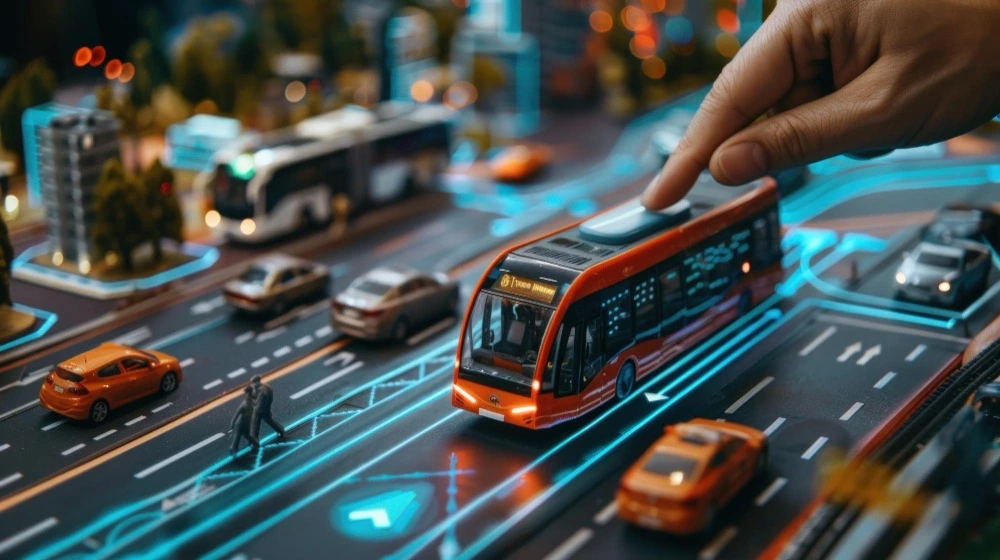
Transportation is becoming increasingly connected. Businesses, public transport operators, shuttle providers, and mobility organizations need to manage vehicles, passengers, routes, drivers, schedules, and operational data from a more coordinated digital environment.
A Mobility and Transportation Platform brings these activities together through connected software, tracking technologies, telematics, analytics, and digital workflows. Instead of managing transportation information through disconnected tools, organizations can create a more unified view of their operations.
The goal is not simply to track vehicles. A modern platform should help organizations improve visibility, coordinate transportation services, optimize resources, support passengers, and make better decisions using real-time and historical data.
What Is a Mobility and Transportation Platform?
A Mobility and Transportation Platform is a digital technology environment designed to manage and connect different parts of transportation and mobility operations. Depending on the organization, it can support fleet management, passenger transportation, route planning, vehicle tracking, scheduling, monitoring, reporting, and operational coordination.
The platform can connect vehicles and operational teams through cloud software, mobile applications, GPS, telematics, APIs, and data analytics. This creates a central information layer for transportation activities.
For businesses managing vehicles, a Fleet Management System can provide the operational foundation for monitoring vehicles, drivers, schedules, and fleet activity.
Why Businesses Need Digital Mobility Solutions
Transportation operations can become difficult to manage when information is spread across spreadsheets, phone calls, separate tracking tools, and manual records. These fragmented processes can delay decisions and make it harder to understand what is happening across the network.
A digital mobility platform provides a more structured approach. Managers can access operational information, identify exceptions, coordinate resources, and review performance from a centralized environment.
This is particularly valuable for organizations that need to manage multiple vehicles, routes, passengers, drivers, or service locations at the same time.
Core Components of a Mobility and Transportation Platform
Fleet Management
Fleet management capabilities help organizations coordinate vehicles, drivers, assignments, utilization, and daily operations.
GPS and Location Tracking
Real-time location information provides visibility into vehicle movements, routes, and operational status. A GPS Tracking System can support this location layer and help managers monitor transportation activity.
Passenger Transportation
Passenger-focused capabilities can support organizations that move employees, customers, students, or other groups through scheduled or on-demand transportation services.
Route and Schedule Management
Digital route management helps organizations plan transportation services, coordinate schedules, and respond to changes in operational conditions.
Telematics and Connected Vehicles
Telematics can connect vehicle data with software platforms, creating a broader view of vehicle activity, driver behavior, and operational performance.
Reporting and Analytics
Analytics helps organizations understand utilization, service performance, operational trends, and areas that require improvement.
Benefits of a Mobility and Transportation Platform
Improved Operational Visibility
A centralized platform can provide a clearer picture of vehicles, routes, services, and transportation activity. This helps managers respond to operational issues with better information.
Better Resource Utilization
Organizations can analyze vehicle usage, schedules, and service demand to allocate resources more effectively. Better utilization can reduce unnecessary capacity and improve productivity.
Faster Decision-Making
Real-time data can reduce the need to wait for manual updates. Managers can identify exceptions and make operational decisions sooner.
Improved Passenger Experience
Accurate schedules, real-time updates, better route coordination, and more reliable transportation services can contribute to a smoother passenger experience.
Greater Operational Efficiency
Automation and connected workflows can reduce repetitive manual tasks while improving consistency across transportation operations.
Data-Driven Planning
Historical data can reveal demand patterns, route performance, utilization trends, and service gaps. Organizations can use these insights when planning future transportation services.
Mobility Platforms for Passenger Transportation
Passenger transportation requires more than vehicle location tracking. Operators also need to coordinate routes, schedules, drivers, vehicles, passenger demand, and service availability.
A platform can connect these elements so transportation teams have a more complete view of service operations. This can support employee transportation, corporate mobility, scheduled passenger services, and other transportation programs.
Organizations looking for a broader solution can use Passenger and Transport Solutions to support connected passenger transportation and mobility workflows.
Mobility Platforms for Shuttle Operations
Shuttle services often operate on fixed or semi-flexible routes and schedules. Managing these services manually can make it difficult to respond quickly when demand, traffic, vehicle availability, or schedules change.
Digital shuttle management can help operators coordinate vehicles, routes, schedules, and service information from a central platform. This can improve visibility and make daily shuttle operations easier to manage.
A dedicated Shuttle Service Management approach can be useful for organizations operating employee shuttles, corporate transport, campus transportation, or scheduled passenger services.
Mobility Platforms for Public Transportation
Public transportation operations require coordination across vehicles, routes, schedules, drivers, passengers, and service locations. Digital platforms can help operators manage these connected elements while improving operational visibility.
Real-time monitoring can help teams understand vehicle movement and service status. Analytics can also provide information that supports route planning, utilization analysis, and service improvement.
For organizations focused on public mobility, Public Transport & Shuttle Operations can support the management of connected transportation services.
How GPS and Telematics Improve Mobility
GPS and telematics provide the data layer needed for connected mobility. Location data can show where vehicles are, while telematics can provide additional information about vehicle activity and driving behavior.
When this data is connected with transportation workflows, managers can monitor routes, identify delays, review operational exceptions, and improve resource allocation.
The value increases when real-time information is combined with historical analytics. This allows organizations to understand not only what is happening now but also how transportation performance changes over time.
How to Choose the Right Mobility and Transportation Platform
Define Your Transportation Needs
Start by identifying the services and operational problems the platform needs to support. Consider fleet size, passenger requirements, routes, schedules, service types, and reporting needs.
Check Scalability
Choose a platform that can support additional vehicles, users, locations, services, and operational complexity as the organization grows.
Evaluate Integrations
APIs and integrations can help connect transportation software with existing ERP, HR, booking, dispatch, payment, or other business systems.
Review User Experience
Dashboards and mobile tools should be easy for managers, drivers, dispatchers, and other authorized users to understand and use.
Consider Data Security
Transportation platforms handle operational and sometimes passenger-related information. Organizations should therefore review access controls, authentication, data protection, and security practices.
Assess Support and Implementation
Training, implementation assistance, technical support, and ongoing updates can influence the long-term value of the platform.
Mobility and Transportation Platform vs. Traditional Transport Management
Traditional transportation management often depends on separate systems and manual coordination. A connected platform brings more information into one environment and can reduce information gaps between departments.
The difference is especially important when transportation operations involve many vehicles, routes, passengers, or service locations. A centralized platform can help teams coordinate activities and respond to operational changes more efficiently.
However, technology should support established business processes rather than replace the need for clear policies, trained staff, and effective operational management.
Future of Mobility and Transportation Platforms
The future of mobility is increasingly connected and data-driven. Artificial intelligence, IoT sensors, predictive analytics, connected vehicles, digital passenger services, and automated decision support are expected to play a growing role in transportation.
These technologies can help organizations forecast demand, optimize routes, identify operational risks, automate reporting, and personalize transportation services.
As mobility networks become more complex, platforms that can connect vehicles, people, infrastructure, and data will become increasingly important for efficient transportation management.
Why En Route Technologies?
En Route Technologies provides connected fleet and transportation technology designed to help organizations improve visibility, monitoring, and operational control. Its solutions can support businesses that need to manage vehicles, transportation services, and operational data through digital tools.
By combining tracking, fleet management, telematics, transportation workflows, and analytics, organizations can create a more connected approach to mobility operations.
Conclusion
A Mobility and Transportation Platform can connect vehicles, people, routes, schedules, tracking, telematics, and analytics into a more coordinated digital environment. This can help organizations improve visibility, resource utilization, operational efficiency, and passenger service.
The right platform should match the organization’s transportation model and be scalable enough to support future needs. Businesses should evaluate functionality, integrations, usability, security, analytics, and support before making a decision.
As transportation becomes more connected, digital mobility platforms will play an increasingly important role in helping organizations deliver smarter, more efficient, and more reliable
FAQ's
It is a digital platform that connects transportation activities such as fleet management, vehicle tracking, passenger services, routes, schedules, telematics, and analytics.
It can improve operational visibility, resource utilization, decision-making, passenger experience, efficiency, and data-driven planning.
Businesses, logistics companies, public transport operators, shuttle providers, corporate transportation teams, government organizations, and other mobility service providers can benefit from such platforms.
GPS tracking provides real-time vehicle location and movement information, helping managers monitor routes, service status, and transportation activity.
Yes. Depending on the solution, it can support passenger routes, schedules, shuttle services, vehicle monitoring, and transportation coordination.
Telematics provides connected vehicle and operational data that can be combined with transportation workflows, tracking, and analytics.
Businesses should evaluate functionality, scalability, integrations, usability, security, reporting, support, and compatibility with their transportation requirements, including Dubai SecurePath compliance and fleet management needs.