
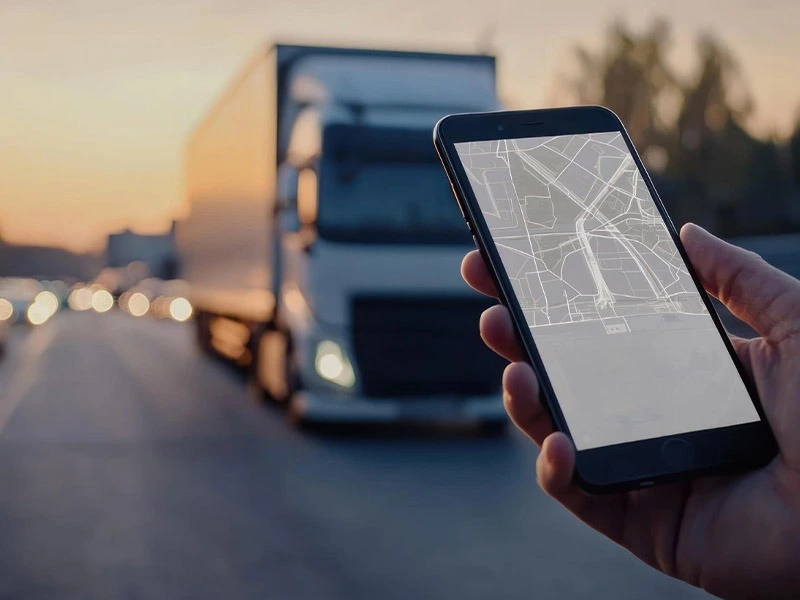
As you know companies expand to multiple locations, managing a commercial fleet becomes more difficult. Fleet managers need to control the cost of operations, monitor driver safety, control fuel expenditures, ensure timely deliveries, and keep vehicles in optimal condition. Do you know manual tracking combined with disconnected systems often results in inefficient routes, excessive fuel usage, limited daily visibility into fleet operations, and delayed decisions?
Don’t worry because GPS for Fleet Tracking radically alters the game for fleet operations. Modern GPS Fleet Tracking Systems consolidate visibility into vehicles, smart route planning, driver behavior, telematics, and analytics in a single cloud system. Moreover this immediate access empowers organizations to manage their operational Vehicles, Drivers, and Assets proactively.
En Route Technologies offers an integrated fleet management system. It combines cloud-based reporting, GPS tracking, driver behavior analysis, and fuel monitoring. This helps reduce costs and improve fleet efficiency. Whether your systems encompass delivery, construction, utility, or government fleets, Fleet GPS Tracking provides unprecedented control of resources on the road, drives better decisions, and improves risk management.
What Is GPS for Fleet Tracking?
GPS Fleet Tracking is an advanced technology meant to keep track of the location, movement, and operational statuses of business vehicles in real time. However it utilizes telematics devices, GPS, and cloud technology. It allows managers and business owners to monitor the actions of their fleet, the performance of their drivers, and makes the daily operations of the fleet more efficient using a singular dashboard.
A modern GPS Fleet Tracking System uses more than just location data. Unlike traditional vehicle tracking, a modern GPS Fleet Tracking System uses data on the speed of the vehicle, the time the vehicle spends idling, the routes taken, engine statistics, fuel consumption, and notifications for maintenance. This data is sent through cellular networks and secured on a cloud system, giving managers up to date information through a desktop or mobile device.
Larger and more complex fleet systems and delivery schedules require Fleet GPS Tracking for operational efficiency. What’s the additional features of modern GPS software? This system provides the tools to reduce delays, maximize customer satisfaction, and promote the safety of the fleet through real time data as opposed to guess work.
How Does a GPS Fleet Tracking System Work?
A GPS Fleet Tracking System provides the ability to constantly view fleet operations through the integration of several different systems. Each vehicle is equipped with a telematics tracking device that has the ability to locate itself using satellite data and collect data.
Information is sent over a secure cellular network. A cloud-based Fleet Tracking System processes the data and displays it in an easy-to-read format. Furthermore the Fleet Managers can access the system from any device with an internet connection. They can view a vehicle’s location, the status of trips, and receive notifications for an upcoming maintenance due, and can perform a number of other operational analyses.
More recent systems, such as those offered by En Route Technologies, combine GPS Tracking, AI, Analytics, Fuel and Maintenance Tracking, Driver Systems, and more into one unified solution. Instead of having to juggle multiple operations software, companies can see and manage their entire fleet in one place.
Further access to the system is granted with mobile solutions that allow Fleet Managers to view and track their fleets, communicate with drivers, and react to unexpected situations and make operational decisions on the spot.
Real-Time Fleet Tracking and Vehicle Visibility
What are the benefits of fleet tracking software? A great benefit of using GPS for Fleet Tracking is the ability to continuously monitor the status of all vehicles.
Modern Fleet Tracking Systems provide status updates such as driving, parked, idling, or stopped, and display the status of all vehicles through digital maps. Phone calls and reports to identify delays and traffic, and unplanned use and route deviations of company vehicles are no longer needed.
Gaining visibility of the fleet helps to improve the efficiency of dispatchers. The vehicles that have the shortest distance to the new job are the ones that are assigned to the new job, thus helping to improve the satisfaction of the customers by improving the distance and time taken to reach the job.
Additionally geofencing also helps by sending automatic notifications to managers when vehicles cross the boundaries of specific locations.
Live Fleet Tracking helps managers of companies who have many vehicles in different locations gain control of the operations and use tools such as dashboards and notifications to measure the efficiency of their operations and gain control of their resources.
The new tracking tools help companies gain operational efficiency and control by improving the visibility of the fleet and helping managers avoid problems before they impact the business.
Route Optimization for Faster Deliveries
Deliveries and field operations depend on the effective design of delivery routes. The latest GPS Fleet Tracking Systems utilize live data, intelligent traffic systems, and historical trip data to select the best routes, resulting in faster trips, lower operational costs, and improved customer satisfaction.
Smart Route Planning
Advanced Fleet GPS Tracking Systems automatically recommend the quickest and most efficient routes. Moreover this allows field dispatchers to assign new work to the closest vehicle and helps fleet trip goals be met without the need to expand fleet size.
Avoid Traffic Delays
The system is designed to adapt to the ever changing conditions of the road, which helps the fleet avoid delays and maximize delivery timeliness.
Accurate ETAs
Dispatchers can estimate more accurate arrival times for customers thanks to real-time vehicle information. Enhanced ETAs means more communication, fewer missed deliveries, and a more satisfied customer base.
Lower Mileage and Fuel Costs
With less mileage and incurred wear on vehicles, there is a net reduction in fuel costs. Less operating costs mean improved productivity of the fleet.
Driver Behavior Monitoring and Fleet Safety
Fuel costs, fleet maintenance costs, and safety on the road can all be improved with adequate monitoring of a driver’s behavior. The best Fleet Monitoring System provides insight into driving behavior and offers the opportunity for businesses to reduce the risk associated with poor driving habits.
Monitor Driving Habits
Fleet managers can assess telematics information and identify unsafe habits like speeding, braking, accelerating, idling, and cornering. This information is valuable for correcting driving behavior before it results in a loss.
Driver Scorecards
Advanced Fleet Tracking Software provides driver scorecards, which are utilized for performance and safety assessments. These assessments are opportunities for managers to offer coaching on driving habits and recognize and reward those who are most in need of effort.
Improve Fleet Safety
Real-time alerts notify managers whenever risky driving behavior occurs. Immediate intervention helps prevent accidents, protects company assets, and supports compliance with internal safety policies.
Build a Safety-First Culture
Using driver monitoring with GPS technology, organizations focus on safe driving. This focus on accountability results in fewer incidents, less need for insurance, and safe vehicles.
Fuel Management and Cost Reduction
Controlling operational costs is improved with an emphasis on managing fuel consumption, which can be a large expense with overt tracking. GPS Fleet Tracking can help limit fuel usage with tracking and productivity monitoring.
Monitor Fuel Consumption
Fuel consumption is now a key data point in many Fleet Tracking Management Software Programs. These programs analyze fuel consumption data alongside trip data, mileage, and Engine Performance data, enabling managers to quickly identify and target vehicles and routes that negatively impact company profit margins.
Reduce Excessive Idling
Fuel that is consumed while the engine is idling is wasted. Idling is a completely unproductive use of fuel. Most GPS tracking software have built-in idling detection. It is the responsibility of the Fleet Manager to minimize unnecessary fuel consumption.
Support Better Driving
Fleet fuel consumption is directly correlated with the driving behaviors of the people in the fleet. Driving that includes a lot of rapid acceleration and deceleration is generally described as aggressive driving and is fuel inefficient. Monitoring driving behavior, less aggressive driving habits, and better fuel economy across the fleet, is the expected result.
Lower Overall Operating Costs
Optimizing routes, minimizing idling, and improving driving behavior generally result in significant savings that impact the business in a positive way over the long term.
En Route Technologies integrates GPS Tracking with smart fuel management and brings a new level of intelligence to Fleet Managers so they can identify consumption patterns and improve efficiency while making strategic decisions to lower operational costs.
Fleet Maintenance and Vehicle Health Monitoring
When vehicles suddenly break down, the business incurs repair costs and delivery delays that negatively impact the bottom line. A Fleet Tracking Software using modern GPS technology can help prevent these scenarios by monitoring fleet vehicle health in real time.
Schedule Preventive Maintenance
Fleet managers typically have a hard time keeping track of scheduled Fleet Vehicle Maintenance. Modern Fleet Tracking Systems automate the scheduling of Fleet Vehicle Maintenance for Servicing, and use Vehicle Telematics to extend the lifespan of the fleet and ensure a high level of reliability.
Monitor Vehicle Health
Integrated Vehicle Telematics monitor the health of a fleet vehicle in real time and help Maintenance teams to close the gap between Servicing and Maintenance. Telematics help capture and resolve fleet vehicle health issues before they become costly vehicle breakdowns.
Reduce Downtime
Automatic maintenance reminders help businesses service vehicles before failures occur. This minimizes unexpected downtime and keeps more vehicles available for daily operations.
Manage Everything from One Platform
En Route Technologies integrates GPS tracking, predictive maintenance, fuel monitoring, and fleet analytics into a cohesive solution. The integration occurs within a single, cloud-based system. Fleet managers can easily track vehicle performance and schedule maintenance, which aids the overall availability of the fleet.
Fleet Analytics and Reporting
In fleet management, data is crucial. A GPS Fleet Tracking System enables organizations to analyze fleet data and gain insights to increase operational efficiency and decrease costs.
Measure Fleet Performance
En Route’s Fleet Dashboard shows key performance metrics, including overall fleet utilization, and average trip and idle times. It also displays driver performance. Fleet managers can assess fleet operations using real time data instead of time-consuming reports.
Generate Detailed Reports
Fleet Analytics reports driving and maintenance performance, and fuel consumption and vehicle activity. These reports identify performance gaps and aid the planning process.
Improve Business Decisions
Fleet managers can determine which vehicles are being underutilized and which are being overutilized. Fleet managers can propose changes that will maximize the efficiency of the fleet and increase profitability.
Support Compliance
Fleet management reporting provides detailed driver and trip logs, which assists in meeting internal control requirements and regulatory compliance. Reporting also increases the accountability of fleet operations.
Industries That Benefit from GPS Fleet Tracking
Almost any industry with commercial vehicles benefits from Fleet Tracking GPS. The ability to see activities in real-time provides the ability to improve service and decrease costs.
Logistics and Transportation
Fleet Tracking Systems help Logistics Companies ensure shipments, improve travel times and customer satisfaction by reducing delays.
Delivery and Distribution
GPS Systems help Delivery and Courier Companies deploy the closest drivers, provide accurate delivery times, and achieve more delivery stops in less time.
Construction and Heavy Equipment
Construction Companies can track the movement of Trucks, Machines and Equipment on all Job sites. Tracking Systems help build Project Efficiency and reduce the misuse of company vehicles.
Oil, Gas, and Utility Services
Field Operations GPS Fleet Tracking helps improve the safety of field employees during operations and the better management of the Dispatch Technicians for the companies working in the more remote areas.
Government and Public Sector Fleets
Emergency Services, Councils, Collection and Public Service Vehicles all benefit from the improved accountability and efficiency of Fleet Tracking Systems.
Rental and Enterprise Fleets
Improved Visibility Fleet Systems help Rental Companies manage the availability of their vehicles, improve Fleet Management and protect their assets with best asset management system.
How to Choose the Best GPS Fleet Tracking System
The right GPS Fleet Tracking Systems provide the optimal solution for the long-term health of the business. The perfect solution is more than just tracking vehicles but helps manage the Fleet better with functionality and technology that easily adapts.
Prioritize Accurate GPS Tracking
Select a system that gives dependable and timely vehicle locations. Accurate tracking means better dispatch, better communication, and better visibility for your fleet.
Look for an Integrated Platform
The best systems combine GPS Vehicle Tracking, telematics, fuel tracking with a fuel monitoring system, maintenance, driver behavior, and cloud-based reporting all in one system. This eliminates the hassle of multiple disparate systems.
Ensure Scalability
A Cloud Fleet Management system should allow the company to continue business as usual while adding more vehicles and users as the company grows.
Evaluate Reporting and Analytics
Fleets can benefit from systems that have highly advanced dashboards and reporting that is customizable to make better decisions when looking at Fleet analytics.
Check Mobile Accessibility
Fleet managers can perform continuous oversight outside of the office using a mobile app to monitor vehicles and receive alerts.
Choose a Trusted Technology Partner
You want systems that come from companies with experience in the market that are responsive and will improve the system. En Route Technologies has combined GPS tracking with Predictive Maintenance and AI, Fleet Fueling, Driver Safety, and Compliance and has more than 20 years of experience in this area.
Conclusion
A commercial fleet can’t just have knowledge of the location of its vehicles. In order to be successful, businesses must have visibility of driver performance, fuel usage, maintenance, and efficient operations.
Fleet Tracking solutions utilizing modern-day GPS technology offer businesses the ability to analyze and enhance productivity, safety, and efficiency, all while minimizing costs associated with fleet downtime and fuel consumption. Incorporating Fleet Analytics, Vehicle Telematics, Automation, and GPS Tracking results in the ability to make business decisions much quicker, based on the collected data, which in turn leads to the opportunity for the business to enhance its profitability and level of customer satisfaction.
The level of service provided to customers using a small-scale delivery fleet to a large-scale enterprise fleet can dramatically improve with the implementation of an advanced GPS Fleet Tracking System. For companies using the integrated systems offered by En Route Technologies, the enhanced fleet management and operational control provide the confidence needed to meet the dynamic requirements of today’s transportation.
FAQ's
GPS for Fleet Tracking is a technology that uses GPS devices, telematics, and cloud software to monitor vehicle locations, driver activity, and fleet performance in real time.
The system collects location and vehicle data through GPS tracking devices and telematics hardware. This information is transmitted to a cloud platform where fleet managers can monitor vehicles, analyze performance, and generate reports.
Key benefits include improved fleet visibility, optimized routes, lower fuel costs, better driver safety, preventive maintenance, increased productivity, and data-driven decision-making.
Yes. GPS tracking reduces unnecessary mileage, minimizes excessive idling, encourages fuel-efficient driving, and supports route optimization, helping businesses lower fuel expenses.
Absolutely. Cloud-based GPS tracking solutions are scalable, making them suitable for small businesses, growing fleets, and large enterprise organizations alike.
GPS tracking monitors speeding, harsh braking, rapid acceleration, and other risky driving behaviors. Real-time alerts and driver scorecards help managers coach drivers and improve overall fleet safety.
Look for features such as real-time GPS tracking, vehicle telematics, route optimization, fuel monitoring, driver behavior monitoring, predictive maintenance, customizable dashboards, mobile access, fleet analytics, and cloud-based reporting.