
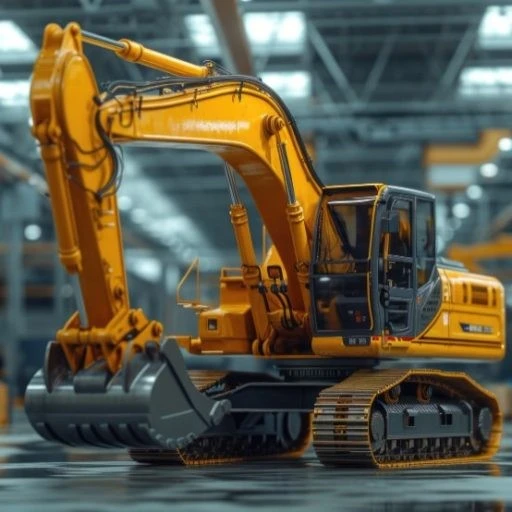
Heavy machinery is the backbone of industries such as construction, mining, agriculture, oil and gas, waste management, and municipal services. These valuable assets operate in demanding environments where efficiency, safety, and reliability directly affect project timelines and operating costs. However, managing heavy equipment manually often leads to poor asset visibility, unexpected breakdowns, excessive fuel consumption, and underutilized machinery.
A modern Heavy Machinery Fleet Management solution helps businesses overcome these challenges by providing real-time monitoring, intelligent tracking, and data-driven insights. Using GPS tracking, telematics, engine monitoring, and smart sensors, organizations can monitor machinery locations, optimize equipment utilization, reduce downtime, and improve operator safety. As a result, businesses gain greater control over their operations while lowering maintenance costs and maximizing return on investment.
What Is Heavy Machinery Fleet Management?
Heavy Machinery Fleet Management is a technology-driven solution that enables organizations to monitor, track, and manage construction equipment, industrial machines, and other valuable assets from a centralized platform. Unlike traditional fleet management that focuses mainly on vehicles, machinery fleet management provides specialized monitoring for equipment with unique operational requirements.
The system combines GPS tracking devices, telematics hardware, fuel sensors, engine hour monitoring, and cloud-based software to deliver real-time operational data. Fleet managers can access equipment location, usage history, maintenance schedules, fuel consumption, and operator activity from a single dashboard, making daily operations more efficient and transparent.
Types of Machinery That Benefit from Fleet Management
Heavy machinery fleet management supports a wide range of equipment across different industries.
Construction Machinery
Construction companies can monitor excavators, bulldozers, loaders, graders, cranes, backhoes, and dump trucks to improve project coordination and reduce idle time.
Mining Equipment
Mining operations benefit from tracking drilling machines, haul trucks, crushers, and draglines, ensuring maximum equipment availability and productivity.
Agricultural Machinery
Farm operators can efficiently manage tractors, combine harvesters, sprayers, and balers while optimizing seasonal operations and maintenance schedules.
Municipal and Waste Management Equipment
Public sector organizations can monitor garbage trucks, street sweepers, sewer jetters, and other specialized equipment to improve service delivery and resource utilization.
Essential Features of Heavy Machinery Fleet Management
Modern fleet management systems include advanced features that help organizations improve equipment performance and operational efficiency.
GPS Tracking
Real-time GPS tracking provides complete visibility into machinery locations, helping managers monitor equipment across multiple job sites while preventing unauthorized use.
Engine Hour Monitoring
Instead of relying solely on mileage, machinery maintenance is based on engine operating hours. Accurate engine hour monitoring allows organizations to schedule preventive maintenance before costly failures occur.
Fuel Monitoring
Fuel monitoring system track fuel consumption, detect abnormal usage, and identify potential fuel theft. Consequently, businesses can reduce unnecessary expenses while improving overall fuel efficiency.
Idle Time Monitoring
Heavy equipment often consumes fuel while remaining idle. Monitoring idle time helps organizations reduce waste, improve equipment utilization, and lower operating costs.
Geofencing
Geofencing allows managers to define virtual boundaries around project sites. Whenever machinery enters or leaves designated areas, instant alerts improve security and job site control.
Remote Diagnostics
Through CAN Bus and telematics integration, fleet managers can monitor engine health, diagnostic fault codes, and equipment performance remotely, enabling faster maintenance decisions.
Asset Management for Heavy Machinery
Heavy machinery represents a significant investment for businesses, making effective Asset Management essential for maximizing operational efficiency and profitability. An integrated Asset Management System enables organizations to monitor the complete lifecycle of their machinery, from deployment and utilization to maintenance and replacement. Instead of managing equipment manually, businesses gain real-time visibility into asset locations, operating status, maintenance history, and overall performance through a centralized platform.
Furthermore, combining asset management with fleet management helps organizations reduce equipment loss, prevent unauthorized usage, improve resource allocation, and make informed decisions based on accurate operational data. As a result, businesses can maximize equipment utilization, extend asset lifespan, and achieve a higher return on investment.
How Asset Management Improves Machinery Operations
When Asset Management is integrated with a fleet management system, organizations gain complete control over both vehicles and heavy machinery from a single dashboard. Fleet managers can monitor asset utilization, identify idle equipment, schedule preventive maintenance based on engine hours, and analyze performance across multiple job sites. Moreover, GPS tracking, telematics, fuel monitoring, and geofencing work together to improve equipment security while reducing operational costs.
In addition, businesses can manage construction equipment, mining machinery, agricultural machines, generators, trailers, fuel tanks, and other valuable assets using one intelligent platform. This centralized approach not only improves operational visibility but also supports better planning, increased productivity, and long-term asset performance.
Improving Operator Safety and Productivity
Operators play a critical role in machinery performance. Therefore, monitoring operator behavior contributes significantly to both productivity and workplace safety.
Fleet management systems can identify excessive idling, harsh equipment handling, unauthorized operation, and unsafe driving practices. Some solutions also integrate RFID operator identification to record who operates each machine, improving accountability and reducing equipment misuse.
Furthermore, automated safety reports help organizations maintain compliance with internal safety policies and industry regulations.
Maintenance Management for Longer Equipment Life
Unexpected machinery breakdowns can delay projects and increase repair costs. Preventive maintenance scheduling helps businesses avoid these issues by servicing equipment at the right time.
Using engine hours, maintenance reminders, and diagnostic alerts, organizations can replace worn components before major failures occur. This proactive approach extends equipment lifespan, improves reliability, and minimizes costly downtime.
Maintenance history also provides valuable insights for future planning, budgeting, and equipment replacement decisions.
Industries That Benefit from Heavy Machinery Fleet Management
Heavy machinery fleet management solutions are valuable across numerous industries.
Construction companies improve equipment utilization across multiple projects.
Mining organizations monitor expensive machinery operating in remote environments.
Agricultural businesses manage seasonal equipment more efficiently.
Municipal authorities optimize waste collection and public service operations.
Oil and gas companies monitor specialized machinery working under challenging environmental conditions.
Rental businesses accurately track equipment usage for billing and asset management.
Why Businesses Choose En Route Technologies
En Route Technologies provides an integrated fleet management platform that enables businesses to manage vehicles, machineries, and valuable assets from a single centralized dashboard. By combining GPS tracking, telematics, fuel monitoring, engine hour tracking, and an intelligent Asset Management System, organizations gain complete visibility into equipment performance, asset utilization, maintenance schedules, and operational efficiency.
Using advanced telematics devices, GPS tracking, fuel sensors, engine monitoring, and intelligent reporting, organizations gain complete visibility into equipment performance and operational efficiency.
The platform enables businesses to monitor machinery in real time, automate maintenance schedules, improve fuel management, analyze utilization, and generate detailed operational reports that support smarter business decisions.
Conclusion
Heavy machinery represents one of the largest investments for construction, mining, agriculture, and industrial businesses. Therefore, maximizing equipment utilization while minimizing downtime is essential for long-term profitability.
A modern Heavy Machinery Fleet Management solution combines GPS tracking, telematics, fuel monitoring, preventive maintenance, and real-time analytics into one intelligent platform. As a result, businesses improve operational visibility, enhance operator safety, reduce maintenance costs, and increase equipment productivity.
By adopting advanced machinery fleet management technology, organizations can protect valuable assets, streamline daily operations, and achieve greater efficiency in an increasingly competitive business environment.
Additionally, integrating capabilities allows organizations to monitor valuable machinery throughout its lifecycle, improve equipment utilization, strengthen asset security, and make data-driven decisions that support sustainable business growth.